
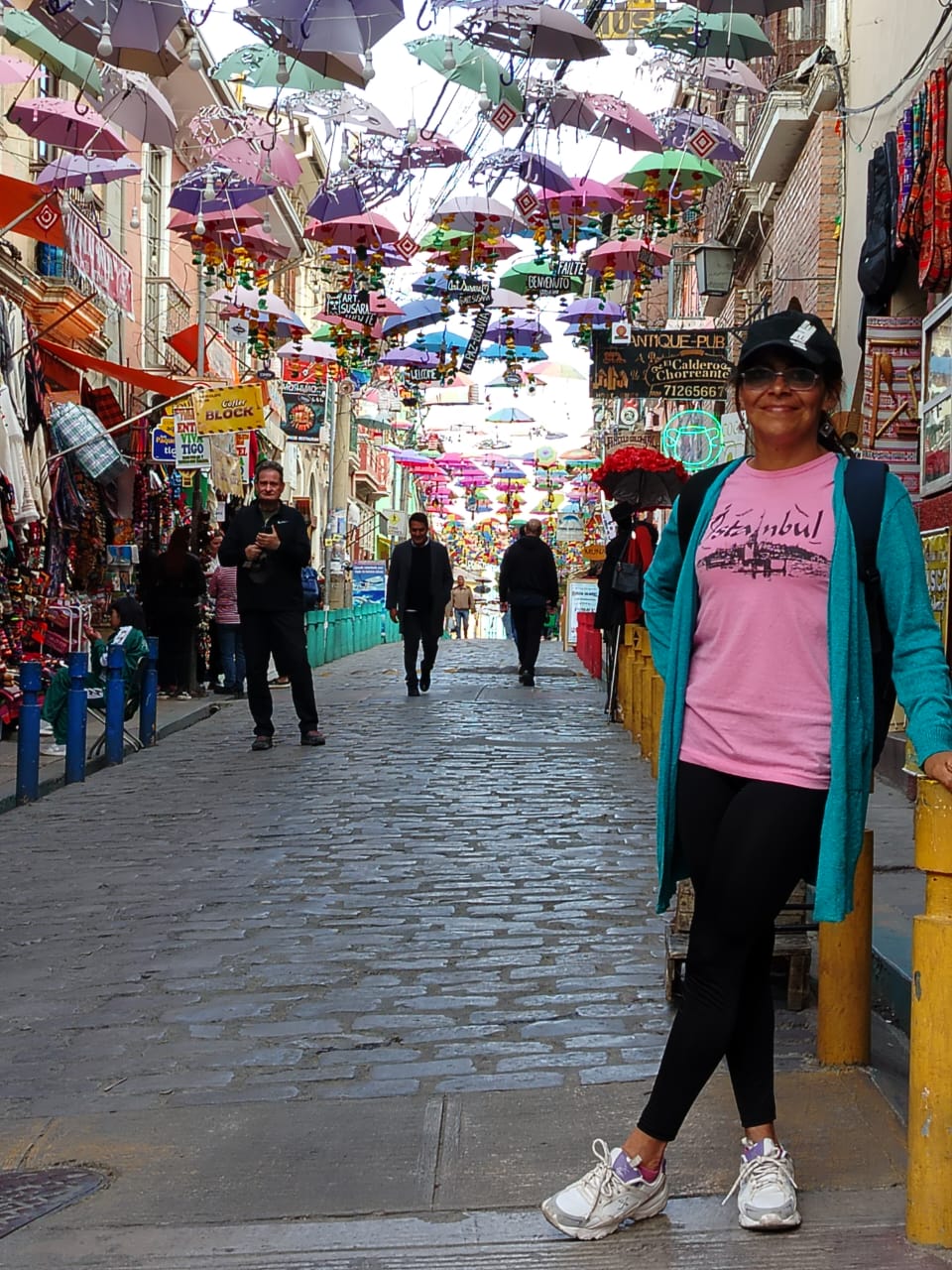
La Paz is one of the most intense, surprising and unforgettable cities in Bolivia. It is not an easy city in the classic sense. There is traffic, altitude, steep streets, markets, noise, crowds and a rhythm that can feel overwhelming at first. But that is exactly what makes La Paz so powerful. The city sits deep in a valley, climbs up the hillsides, merges with El Alto at the top and is crossed by silent cable cars moving above the chaos.
To understand La Paz, it is not enough to visit a few squares, churches or museums. The city reveals itself in the streets, markets, cable cars, steep stairways, crowded minibuses, viewpoints in El Alto and the constant mix of Andean culture and urban life. Here, Aymara identity, cholita women, local markets, ritual objects, government buildings, modern cafes and daily city pressure all exist together.
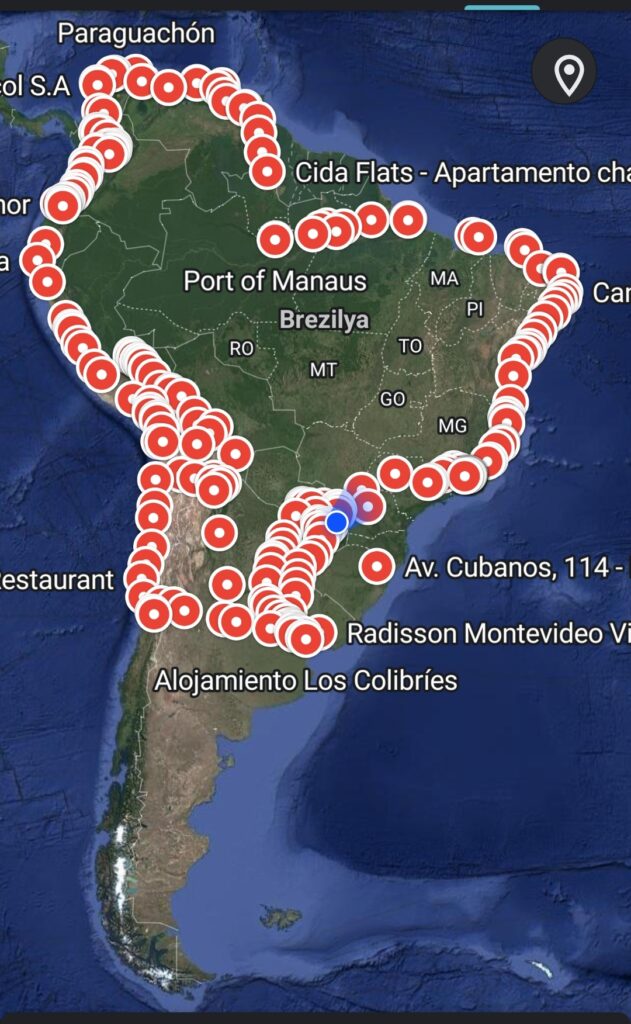
This La Paz travel guide was prepared to help you plan the city with more clarity and confidence. To understand the spirit of our South America journey, you can visit our home page. To learn more about us, read our About Us page. For more stories and guides, visit our English blog.

Image: Wikimedia Commons.
Contents
- La Paz overview
- History and city identity
- Altitude, geography and first impressions
- How to get to La Paz
- Urban transport and Mi Teleferico
- Where to stay in La Paz
- Things to see in La Paz
- El Alto
- Valle de la Luna and nearby trips
- What to eat in La Paz
- Markets and shopping
- Safety, health and altitude
- When to go
- How many days to spend in La Paz
- Suggested itineraries
- Final notes
La Paz overview
La Paz is the seat of government of Bolivia and one of the most important cities in the country. Although Sucre is the constitutional capital, La Paz is where much of Bolivia’s political, administrative, economic and cultural life is concentrated.
Its geography is what makes it truly unforgettable. The city drops into a deep valley surrounded by mountains, while neighborhoods climb up the slopes until they connect with El Alto, located even higher. This shape affects everything: how people walk, move, breathe and experience the city.
La Paz may not charm you in the first minute. It can feel chaotic, intense and exhausting. But if you give it time, a powerful city appears, full of layers, contrasts and scenes you will not find anywhere else.
History and city identity
The identity of La Paz combines colonial history, Aymara culture, modern Bolivian politics and a very strong market life. In the center, you will find squares, churches and government buildings. In the streets, the city expresses itself through sellers, markets, minibuses, local food and constant movement.
Aymara culture is very visible in La Paz and especially in El Alto. Cholita women, traditional clothing, ritual products, local food and trading practices show that La Paz is not only a modern high-altitude city, but also a deeply Andean place.
The city also has strong political energy. Squares, murals, government buildings and occasional demonstrations remind visitors that La Paz is one of the key places to understand Bolivia’s social and political life.
Altitude, geography and first impressions
The center of La Paz sits at around 3,600 meters above sea level. El Alto is close to or above 4,000 meters. For this reason, altitude should be taken seriously from the first day.
Distances that look short on the map may feel much longer because of the slopes and thinner air. On your first day, walk slowly, drink water, avoid very heavy meals, limit alcohol and do not overfill your schedule.
The altitude also gives La Paz one of its most striking views. From the cable car, you can see how houses spread across the valley, how the roads climb and twist, and how El Alto dominates the upper part of the urban landscape.
How to get to La Paz
By plane
The international airport serving La Paz is located in El Alto. This means that when you land, you arrive directly at very high altitude. If you come from sea level, your body may feel the change quickly.
From the airport, you can reach the city center by taxi, private transfer or ride-hailing services. If you arrive late at night, choose a safe and direct transfer.
By bus
La Paz has bus connections with many Bolivian cities and some international routes. You can arrive from Copacabana, Oruro, Sucre, Potosi, Uyuni and the Peruvian side.
For long-distance trips, choose reliable companies and comfortable seats. Distances can be long and altitude may make journeys more tiring.
With your own vehicle
Driving into La Paz can be challenging. Traffic is intense, streets are steep and parking in the center is not always easy. If you travel by car, look for accommodation with secure parking.
For moving around the city, it may be easier to leave your vehicle parked and use cable cars, taxis or walking routes in specific areas.
Urban transport and Mi Teleferico
Mi Teleferico is one of the best ways to understand La Paz. It is not just a tourist attraction; it is a real transport system that connects neighborhoods, reduces travel times and lets you cross the city from above.
The lines are identified by colors and connect different parts of La Paz and El Alto. Using them as a panoramic route is a great idea for your first day. From above, you can better understand the scale of the city, the force of the geography and the relationship between La Paz and El Alto.

Image: Igualdad Digital, Wikimedia Commons.
Where to stay in La Paz
Choosing the right area changes the whole experience. The historic center is practical for Plaza Murillo, San Francisco, Calle Jaen and the Witches’ Market. However, it is an intense area, so check the exact location and reviews carefully.
Sopocachi is a balanced option for many travelers. It has cafes, restaurants, calmer streets and good access to other areas. It is a good choice if you want comfort without being too far from the center.
Zona Sur can feel quieter, more modern and slightly lower in altitude. It is comfortable for longer stays, although it is farther from the historic center.
Things to see in La Paz
Plaza Murillo
Plaza Murillo is one of the political and historical centers of the city. Government buildings, the cathedral and important public spaces are located around it.
San Francisco Church
San Francisco Church is one of the most important religious buildings in La Paz. The surrounding area is very active, with sellers, traffic, pedestrians and nearby markets.
Witches’ Market
The Witches’ Market is one of the best-known places in La Paz. Herbs, amulets, ritual objects, Aymara spiritual items and souvenirs are sold here. Visit with respect and avoid treating it only as an exotic display.
Calle Jaen
Calle Jaen is one of the most beautiful colonial streets in La Paz. Its colorful facades, small museums and calmer atmosphere make it a nice break from the busy center.
Rodriguez Market
Rodriguez Market shows everyday life in La Paz. Fruits, vegetables, local products and Paceño shoppers create a very authentic city scene.
El Alto
El Alto is essential for understanding La Paz. Although it is a separate city, it functions as part of the same large urban body. From there, you can see La Paz spread deep into the valley, with cable cars connecting both worlds.
El Alto has large markets, intense streets and a strong identity. For a first visit, go during the day, plan your route and keep an eye on your belongings. A good way to approach it is to go up by cable car, observe the city from above and explore specific areas without improvising too much.
Valle de la Luna and nearby trips
Valle de la Luna is located south of La Paz and offers a landscape of eroded formations that look almost otherworldly. It is a good short trip when you want a break from the noise of the center.
You can also take trips to Tiwanaku, Chacaltaya or the famous Death Road. In every case, check the company, weather, safety conditions and physical demands.

Image: Wikimedia Commons.
What to eat in La Paz
La Paz offers food shaped by altitude, markets and Bolivian ingredients. Some dishes to try are salteñas, sopa de mani, pique macho, api con pastel and simple local lunch menus.
On your first day at altitude, it is better not to eat too heavily. Soups, warm dishes and moderate portions can help your body adapt.
Markets and shopping
Markets are an essential part of La Paz. They show the social rhythm of the city: trade, food, rituals, textiles, fruit, vegetables and daily life.
In crowded areas, carry your bag in front, avoid holding your phone out for long periods and ask permission before photographing people.
Safety, health and altitude
La Paz can be visited safely with awareness. In markets, terminals and crowded streets, petty theft can happen. At night, use reliable transport and avoid empty streets.
Altitude is the most important health issue. Walk slowly, drink water and listen to your body. If symptoms become strong, rest and seek medical help if necessary.
When to go
La Paz can be visited year-round. The dry season, from May to October, usually offers clearer skies and better views from the cable cars. The rainy season, from November to March, may affect some excursions and road conditions.
How many days to spend in La Paz
For a first visit, two days is the minimum recommended time. With three days, you can explore the center, use several cable car lines, visit El Alto and take a short trip such as Valle de la Luna or Tiwanaku.
Suggested itineraries
1 day
Morning: Plaza Murillo, San Francisco and the historic center.
Afternoon: Witches’ Market and a short Mi Teleferico route.
2 days
Day 1: Historic center, Calle Jaen, San Francisco and markets.
Day 2: Mi Teleferico, El Alto and Valle de la Luna.
3 days
Day 1: Center and markets.
Day 2: Cable car lines and El Alto.
Day 3: Valle de la Luna, Tiwanaku or another nearby trip.
What to do in La Paz
Beyond the historic center, set aside time to ride several Mi Teleferico lines, view the city from El Alto, explore its markets and visit Valle de la Luna. La Paz makes more sense when street-level experiences are combined with its remarkable views from above.
Practical information for La Paz
The altitude calls for a slow first day, plenty of water and a flexible schedule. Carry cash for markets and local transport, dress in layers and use sun protection. Continue planning with our guides to Copacabana, Sucre and Uyuni–Potosi.
Final notes
La Paz is not an easy city, but it is unforgettable. It can tire you, surprise you, confuse you and fascinate you at the same time. Its altitude, markets, cable cars, geography and social energy make it one of the most singular cities in South America.
If you visit Bolivia, give La Paz time. You do not understand this city by rushing through it. You understand it by looking from the cable car, walking slowly through the center, going up to El Alto and letting the city reveal its rhythm little by little.
Follow us
You can also follow our journey on social media for short videos, photos and moments from the road.
- YouTube Shorts: Watch our short travel videos
- Instagram: Photos and road moments
- Facebook: Our Facebook page