
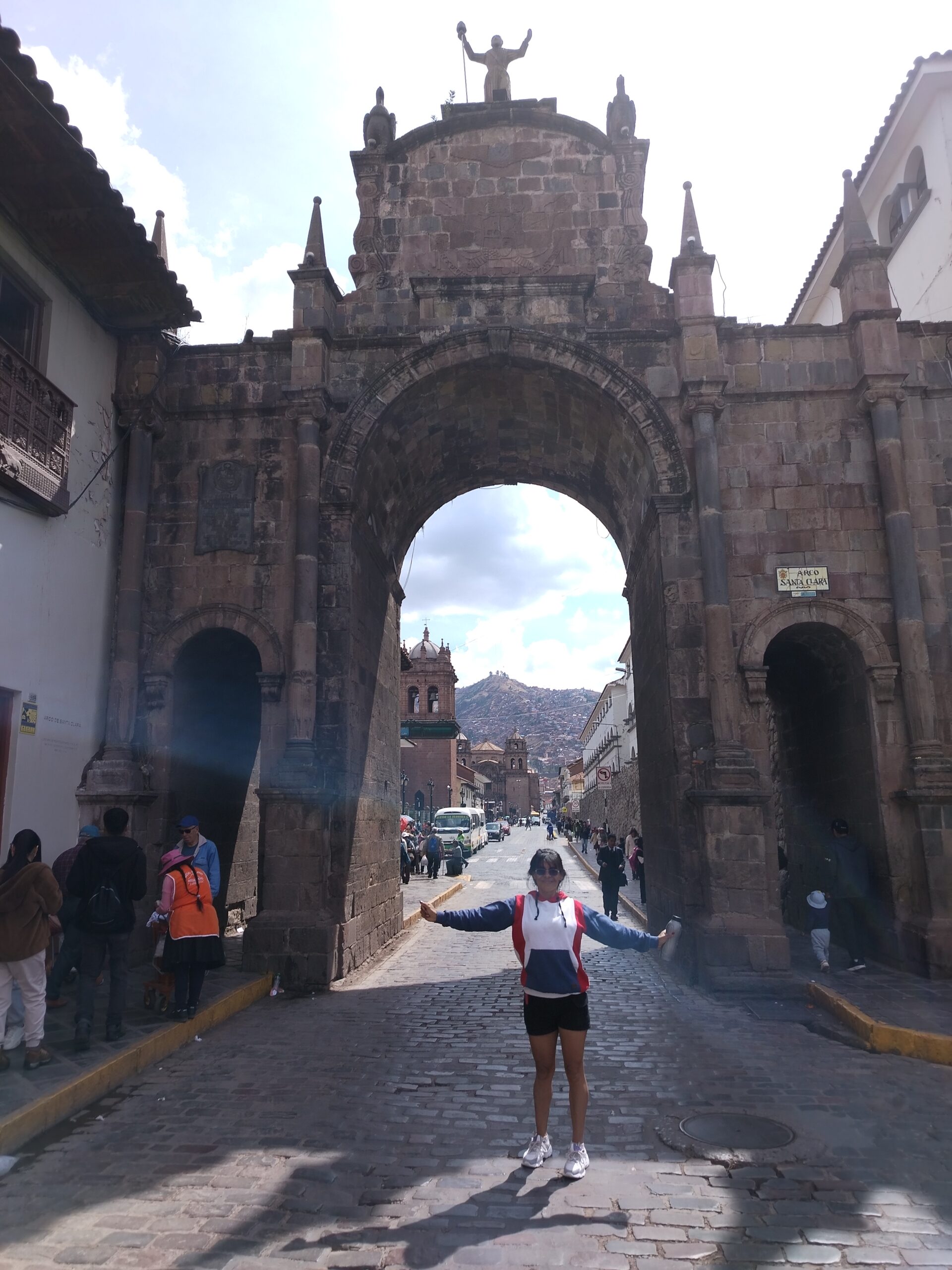
Cusco is one of the most impressive cities in Peru. It is a place that stays in your memory not only with its beautiful streets, stone buildings and colonial squares, but also with its Inca past, Andean culture, high altitude and living city atmosphere. For those planning a trip to Peru, Cusco is often an important stop, but this city should not be seen only as a gateway to the famous routes around it. Cusco is a powerful city that deserves to be explored and given time on its own. If you would like to see the other routes from our journey, you can also visit our home page.
Located at approximately 3,400 meters above sea level, Cusco was once the capital of the Inca Empire. Today, with its narrow stone streets, historic churches, old Inca walls, local markets, colorful textiles, art workshops and mountain air, it is a very special stop for those who love history, culture and city walks.
In this Cusco travel guide, we will focus only on Cusco city center. We will explain in detail the places to visit in the city, where to stay, what to eat, how to get around and what to pay attention to while exploring Cusco. If you would like to read more travel articles, you can also find our different routes on our blog page.

Image: Entropy1963, Public Domain, Wikimedia Commons.
Table of Contents
- Brief information about Cusco
- The history and importance of Cusco
- How to get to Cusco?
- Transportation within Cusco
- Where to stay in Cusco?
- Places to visit in Cusco city center
- Museums and cultural stops in Cusco
- What to eat in Cusco?
- What to do in Cusco?
- Shopping and local markets in Cusco
- Altitude in Cusco and things to be careful about
- When to visit Cusco?
- How many days are needed for Cusco city center?
- Practical information for Cusco
- Final notes about Cusco
Brief information about Cusco
Cusco is a historic city located in southeastern Peru, high in the Andes Mountains. In Spanish, it is most commonly written as “Cusco,” while in older sources it may appear as “Cuzco.” The city brings together traces from the Inca period and Spanish colonial architecture on the same streets. If you would like to learn more general historical information about Cusco, you can also visit the Cuzco page.
The most impressive side of Cusco is that the past is still visible within the city. While walking down a street, you can see perfectly fitted Inca stone walls at the lower level and Spanish-era balconies and whitewashed buildings above them. That is why Cusco is not just a city to visit, but a history to be read layer by layer.
The city center is very suitable for exploring on foot. However, because of the high altitude, it is important to avoid a heavy pace during the first days, drink plenty of water and give yourself time. You should not rush while exploring Cusco, because the city becomes most beautiful when you walk slowly.
The history and importance of Cusco
Cusco is considered the capital of the Inca Empire. During the Inca period, the city was not only a political center, but also a religious, administrative and cultural center. This was the heart of the Inca world known as Tawantinsuyu.
It is often said that the name of the city means “center of the world.” This expression explains Cusco’s symbolic importance in the Inca world very well. The roads, administrative order and sacred areas extending to different parts of the empire were shaped around this center.
With the arrival of the Spanish in the 1530s, the city underwent a major transformation. Churches, monasteries and colonial buildings were built on top of Inca temples and palaces. This is exactly the reason for the architectural mix we see in Cusco today. In the city, it is possible to see both Inca stonework and Spanish colonial architecture at the same time.
The historic center of Cusco is also considered very valuable in terms of world cultural heritage. The city is one of the historic cities mentioned within the scope of UNESCO World Heritage. This shows how important Cusco is not only for Peru, but also for world history.
How to get to Cusco?
The most common way to reach Cusco is by plane. The city has Alejandro Velasco Astete International Airport. Within Peru, there are frequent flights especially from Lima to Cusco. The Lima-Cusco flight usually takes about 1 hour and 15 minutes.
The airport is quite close to the city center. Depending on traffic, you can reach the Plaza de Armas area by taxi in about 15-25 minutes. Taxis are available at the airport exit, but it is a good idea to agree on the price before getting in. Calling a car through an app can also be a more practical and safer option for many travelers.
It is also possible to reach Cusco by road. Long-distance buses are common within Peru. The bus journey from Lima to Cusco takes a very long time; depending on the route and company, it can exceed 20 hours. If you are coming from Arequipa, Puno or another Andean city, the bus may make more sense. The advantage of arriving by road is that it gives you a chance to adapt to the altitude more gradually.
Transportation within Cusco
Cusco city center is a place that can be explored on foot. Plaza de Armas, San Blas, Qorikancha, San Pedro Market and most of the historic streets are within walking distance. However, since some streets are steep and paved with stones, comfortable shoes are essential.
Using taxis within the city is also easy. For short distances, taxis can be a practical solution, especially in the evening or when returning from hilly areas. Still, it is useful to agree on the price before getting in.
There are also local minibuses and buses, but for short visits, discovering the city center on foot is usually more enjoyable. One of the most beautiful sides of Cusco is the stone walls, small squares, workshops and views that appear unexpectedly while wandering through the side streets.
Where to stay in Cusco?
The choice of where to stay in Cusco directly affects your city experience. For first-time visitors, the most practical area is Plaza de Armas and its surroundings. Here, you will be close to restaurants, tour offices, historic buildings and walking routes. However, staying in the center can be a little more crowded and noisy, especially during high season.
The San Blas area is a good option for those who want a more bohemian and calm atmosphere. With its narrow streets, art workshops, small cafés and scenic spots, it is one of the most characteristic areas of Cusco. However, since San Blas is hilly, it may feel a little tiring during the first days before adapting to the altitude.
The area around San Pedro Market offers a more local and lively atmosphere. It is possible to find budget-friendly accommodation here. It can be preferred by those who want to be close to the market, the station area and local food spots.
Those looking for a quieter stay can also consider hotels or apartment-style places slightly outside the historic center. However, if you will stay in Cusco for a short time, choosing an area where you can walk to the center saves time.
Places to visit in Cusco city center
Plaza de Armas
Plaza de Armas is the heart of Cusco. This square, where both locals and travelers meet, is one of the liveliest and most photogenic places in the city. Around the square, there are historic churches, restaurants, cafés, travel agencies and buildings with colonial balconies.
It is known that during the Inca period, this area was a much larger ceremonial and administrative space. During the Spanish period, the square was shaped by colonial buildings. Today, simply sitting in Plaza de Armas and watching the surroundings is a beautiful Cusco experience in itself.
Cusco Cathedral
One of the most magnificent buildings in Plaza de Armas is Cusco Cathedral. Carrying strong architectural traces of the Spanish colonial period, the building is not only a religious center but also an important stop in terms of art and history.
Inside the cathedral, there are colonial-era paintings, woodwork and religious objects. It is especially interesting for those who want to see examples of the local painting tradition known as the Cusco School.
Iglesia de la Compañía de Jesús
Another striking building in Plaza de Armas is Iglesia de la Compañía de Jesús. Its façade adds great elegance to the overall appearance of the square. With its architecture influenced by Spanish Baroque style, the building is a good stop for understanding Cusco’s colonial heritage.
Qorikancha and Santo Domingo Convent
Qorikancha is one of the most important historic buildings in Cusco. Known as the Temple of the Sun during the Inca period, this area was one of the most sacred centers of the empire. During the Spanish period, the Santo Domingo Convent was built on top of it.
Today, at Qorikancha, it is possible to clearly see how two different worlds were built on top of each other. At the lower level, there is flawless Inca stonework, while above it stands the colonial convent structure. For those who want to see Cusco’s historical layers in one place, this is a must-visit.

Image: flowcomm, CC BY 2.0, Wikimedia Commons.
San Blas Neighborhood
San Blas is one of the most beautiful walking areas in Cusco. With its narrow stone streets, white-walled houses, art workshops and small cafés, it has a calmer but much more characteristic atmosphere than the city center.
You should not rush while walking here. Because the beauty of San Blas is not hidden in a grand monument, but in small details. Door knockers, stone stairways, shops selling handmade products, small courtyards and views of the city from above create the spirit of the neighborhood.
Hatun Rumiyoc Street and the Twelve-Angled Stone
One of the best places to see Inca stonework in Cusco is Hatun Rumiyoc Street. The famous Twelve-Angled Stone found on this street is one of the best-known examples showing how stones were placed perfectly without using mortar.
Although the stone itself may seem like a small detail, it actually symbolizes Cusco’s engineering heritage. The street is usually crowded, so if you want to see it more calmly, you can prefer early morning hours.
San Pedro Market
San Pedro Market is one of the best places to see local life in Cusco. With fruit juices, breads, cheeses, spices, chocolate, coffee, textile products and locals doing their daily shopping, it has a very lively atmosphere.
Here, you can drink fresh fruit juice, look at local products, buy souvenirs or simply watch the rhythm of the market. For those who want to see a more daily and real side of Cusco, different from tourist restaurants, San Pedro Market is a great stop.

Image: WMrapids, CC0, Wikimedia Commons.

Image: Ashim D’Silva, CC0, Wikimedia Commons.
San Cristóbal Viewpoint
If you want to see the city from above, you can go up toward San Cristóbal. From here, you can see Cusco’s red-roofed houses, the Plaza de Armas area and the city surrounded by mountains.
The climb can be a little tiring, especially if you are newly adapting to the altitude, so it is better to take it slowly. But when you reach the top, you feel more clearly why Cusco was founded in such a special geography.
Museums and cultural stops in Cusco
In Cusco, not only the streets but also the museums are important for understanding the city’s past. Museo Inka can be a good starting point for those who want to get to know Inca history and Andean culture more closely. Here, you can see ceramics, textiles, metal objects and artifacts related to the region’s history.
Museo de Arte Precolombino is one of the prominent museums for those interested in pre-Columbian art and culture. It offers a more organized, calm and aesthetic museum experience.
Casa del Inka Garcilaso de la Vega is also an important building in terms of Cusco’s cultural memory. Named after the famous writer Garcilaso de la Vega, who had both Inca and Spanish roots, this stop is valuable for understanding the mixed identity of the city.
Some museums and cultural sites in Cusco may be included in the Boleto Turístico del Cusco. Since the content and price of this ticket may change over time, it is a good idea to check the current coverage before visiting.
What to eat in Cusco?
Cusco cuisine is a strong cuisine carrying traces of Andean culture. Potatoes, corn, quinoa, alpaca meat, local herbs and hot soups are commonly found in the city.
One of the dishes you should try is lomo saltado. Prepared with beef, onion, tomato and French fries, this dish is one of Peru’s most loved plates. Aji de gallina, made with chicken and a creamy sauce, is a softer and flavorful option. Rocoto relleno can be an interesting taste for those who like stuffed spicy peppers.
Alpaca meat is also found in many restaurants in Cusco. It is usually served grilled or in sauced dishes. For those who want a more local experience, soups, fresh fruit juices and daily menus in the markets can be tried.
As a drink, mate de coca, or coca tea, is very common especially among travelers trying to adapt to the high altitude. Peru coffee, hot chocolate and local fruit juices can also be enjoyed in Cusco.
What to do in Cusco?
One of the best things to do in Cusco is to explore the city on foot. Starting from Plaza de Armas, walking up to San Blas, passing through Hatun Rumiyoc Street, visiting Qorikancha and then walking toward San Pedro Market makes a beautiful route for understanding the city center.
Sitting in a café and watching the square is also part of the Cusco experience. The city is constantly in motion, but at the same time it forces you to slow down. Especially during the first days, this slowness feels good.
You can visit the art workshops around San Blas, look at local textile products, and discover small shops selling ceramics or silverwork. In the evening, when the lights come on around Plaza de Armas, the city takes on a completely different atmosphere.
If you come across them, watching local festivals, dance performances or celebrations in the square can also be very impressive. Throughout the year, religious, local and cultural events can often appear in Cusco’s calendar.
Shopping and local markets in Cusco
Cusco is very rich in textiles and handmade products. Shawls, sweaters, hats, bags and blankets made from alpaca and llama wool are among the most common products. However, not every “alpaca” label means real alpaca wool. If you want to buy a quality product, you should pay attention to its texture, price and the reliability of the shop.
San Pedro Market is a good place for more affordable souvenirs. San Blas is better for those looking for more boutique, designer and handmade products. You can also find ceramics, jewelry, leather goods, coffee, cacao and local spices in small shops in the city center.
Bargaining may be possible in some places, but it is important to do it respectfully and moderately. Especially with handmade products, it is worth remembering that the price reflects not only the item itself, but also the time and skill behind it.
Altitude in Cusco and things to be careful about
Since Cusco is located at an altitude of approximately 3,400 meters, the effects of altitude can be difficult for many travelers. On the first day, you may experience headache, shortness of breath, fatigue, loss of appetite or sleep problems. This does not affect everyone in the same way; being very fit does not mean you will not be affected by altitude.
On the first day, it is good to avoid heavy walks, drink plenty of water, reduce alcohol, choose light meals and move slowly. Try not to climb stairs quickly and take frequent breaks on slopes.
Local people and hotels usually recommend mate de coca. Coca tea is found relaxing by many travelers. However, if you have a serious health condition or if symptoms of altitude sickness become severe, professional medical help is necessary.
When to visit Cusco?
There are generally two main seasons in Cusco: the dry season and the rainy season. The dry season usually occurs between May and September. This period means clearer skies, less rain and more comfortable city walks. However, it is also a period when the city can be more crowded and prices higher.
The rainy season is generally more noticeable between November and March. During this period, the city looks greener and crowds may decrease a little, but you should be prepared for sudden rain. Rain often does not last all day, but it is good to stay flexible when making plans.
Transition months such as April, May, October and November can be good options in terms of balancing weather and crowds. No matter which month you visit, daytime sunshine in Cusco can feel warm because of the high altitude, while evenings can become seriously cool.
How many days are needed for Cusco city center?
It is good to set aside at least 2 days just to explore Cusco city center. On the first day, you can adapt to the altitude and start with Plaza de Armas, nearby streets and light walks. On the second day, Qorikancha, San Blas, museums and San Pedro Market can be visited more comfortably.
If you like traveling slowly, sitting in cafés, taking photos, visiting museums and feeling the local atmosphere, 3 days will be much more enjoyable. Cusco is not a city to be seen quickly and passed through; it becomes more beautiful when you spend time in it.
Practical information for Cusco
The currency in Cusco is the Peruvian Sol. Although cards are accepted in tourist areas, it is good to carry cash for markets, small shops, taxis and local eateries.
Because of the high altitude, the sun feels quite strong in the city. Sunscreen, a hat and sunglasses are important. Since you may experience sun, rain and cold on the same day, dressing in layers is the most sensible choice.
Comfortable walking shoes are essential. Stone streets look beautiful but can tire your feet during long walks. Some streets are also steep.
Drinking tap water is not recommended. Using bottled water or carrying a filtered bottle is safer. As in every tourist city, it is also important to watch your bag in crowded markets and around squares.
If you would like general information about Peru, you can also visit the Peru page. If you are curious about how we experienced this journey and the story of how we set out, you can find more personal notes in our about us section.
Final notes about Cusco
Cusco is a city remembered not only for its historic buildings, but also for its atmosphere. As you pass by old stone walls, sit in a square and feel the mountain air, or walk through the narrow streets of San Blas, the city slowly reveals itself.
The Inca past, colonial architecture, Andean culture, local markets, high altitude and lively street life make Cusco a deeply layered place. That is why the best way to explore Cusco is not only to think “which places did I see?” but also to slow down a little, blend into the streets and feel the rhythm of the city.
Cusco is not just a transit point on a trip to Peru. It is a very special city with a strong character, deserving to be discovered on its own, where history and daily life are intertwined. For our other articles from Peru and South America, you can also visit the blog section.
Follow us
You can also follow our journey on social media for short videos, photos and moments from the road.
- YouTube Shorts: Watch our short travel videos
- Instagram: Photos and road moments
- Facebook: Our Facebook page