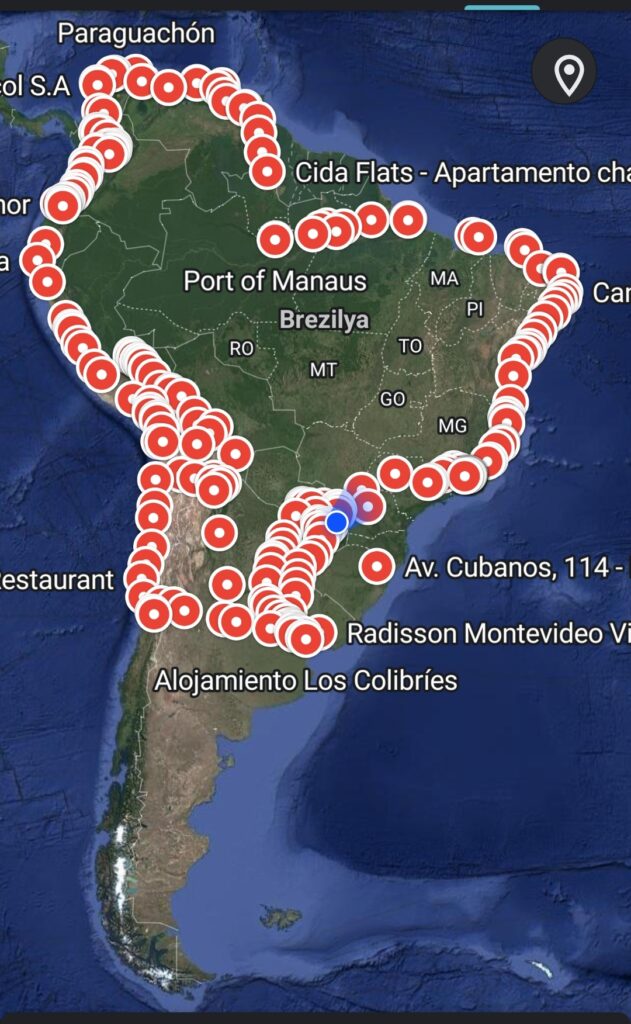

The historic city of Cusco in Peru became one of the places that impressed us most in South America. As the former capital of the Inca Empire, this city offers an unforgettable experience not only with its historic buildings, but also with its stone streets, Andean culture, Indigenous life and powerful atmosphere.
Cusco, which we reached after starting from the Bolivian city of Copacabana and crossing Peru’s Andean roads, left us with the feeling of a city where history is still alive, not just a travel route.
For the other routes of our South America journey, you can visit our Dos Corazones Sobre Rueda English home page .
The Andean Journey from Copacabana to Cusco
When we left the Bolivian city of Copacabana, the calm of Lake Titicaca was still with us. On the journey we began early in the morning, the landscape slowly began to change as we moved toward the Peruvian border.
Along the way, we passed through small Andean villages, stone houses, high-altitude plains and mountain roads. In some places, women in traditional clothing could be seen walking along the roadside, and in some towns small markets were set up. During this journey by car, we felt that Peru’s Andean culture was not only in city centers, but a living reality all along the road.
As the altitude rose, the air became harsher and the clouds slipped deeper between the mountains. Especially as we approached Cusco, the journey began to feel less like an ordinary road to a city and more like moving into history.
Why Is Cusco So Special?
The most important thing that makes Cusco special is that it was once the capital of the Inca Empire. The center of the Inca civilization, one of South America’s greatest civilizations, was located here.
You truly feel this while walking around the city. Because in Cusco, history continues to live not only in old buildings, but also in stone streets, squares and people’s daily lives.
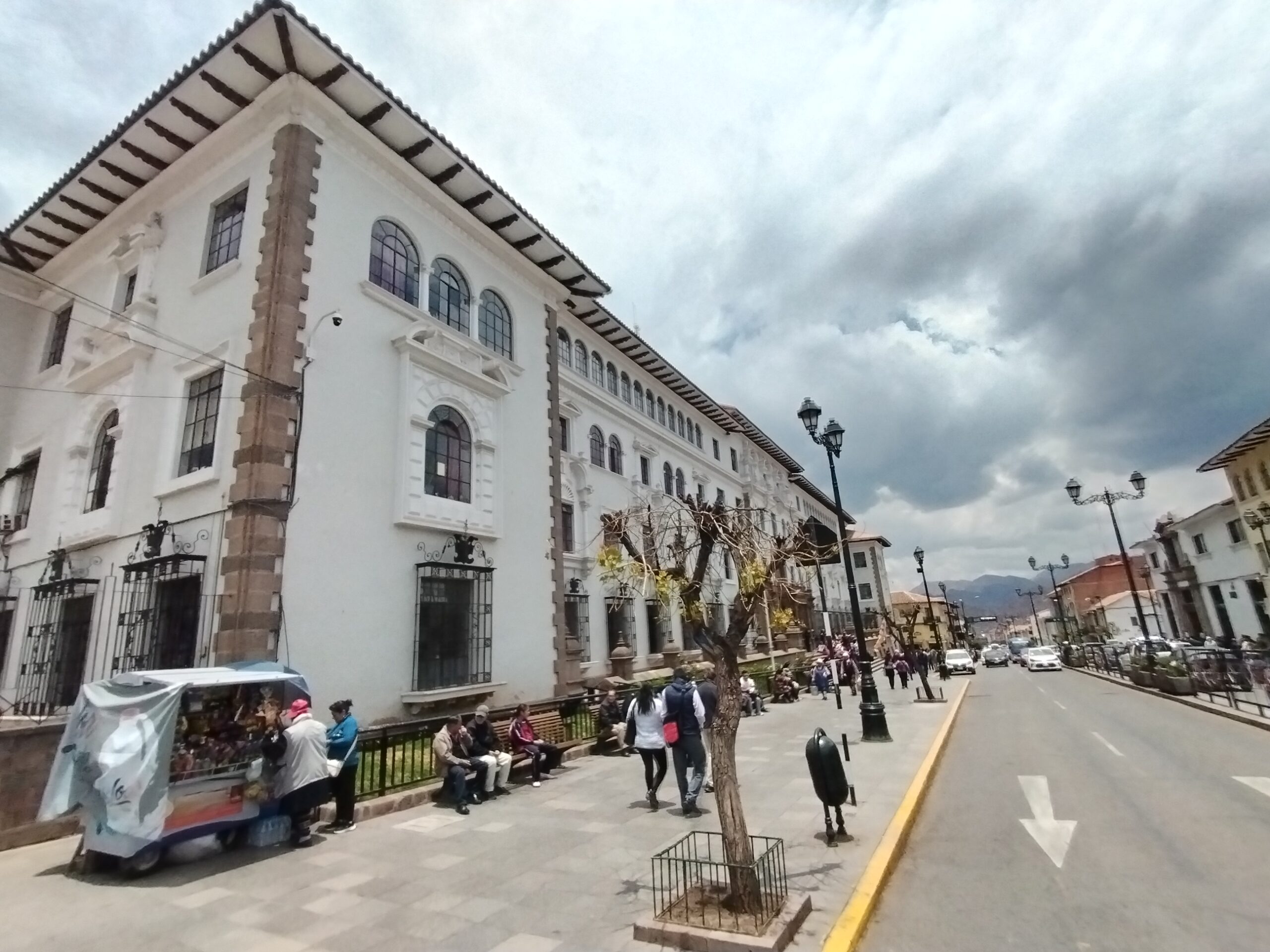
One of the most striking things we learned was that after the Spaniards captured Cusco, they demolished many Inca structures and used their stones to build churches and government buildings. The large colonial buildings in the city center are among the most important examples of this.
Today, the large and flawless Inca stones seen at the lower parts of some buildings stand side by side with the Spanish architecture above them. This image feels like two different civilizations merged in the same city.
Perhaps this is exactly what makes Cusco so impressive. Here, history has not completely disappeared; it has transformed, but it has continued to live.
For more information about us and our South America journey, you can read our About Us page .
Plaza de Armas: The Heart of Cusco
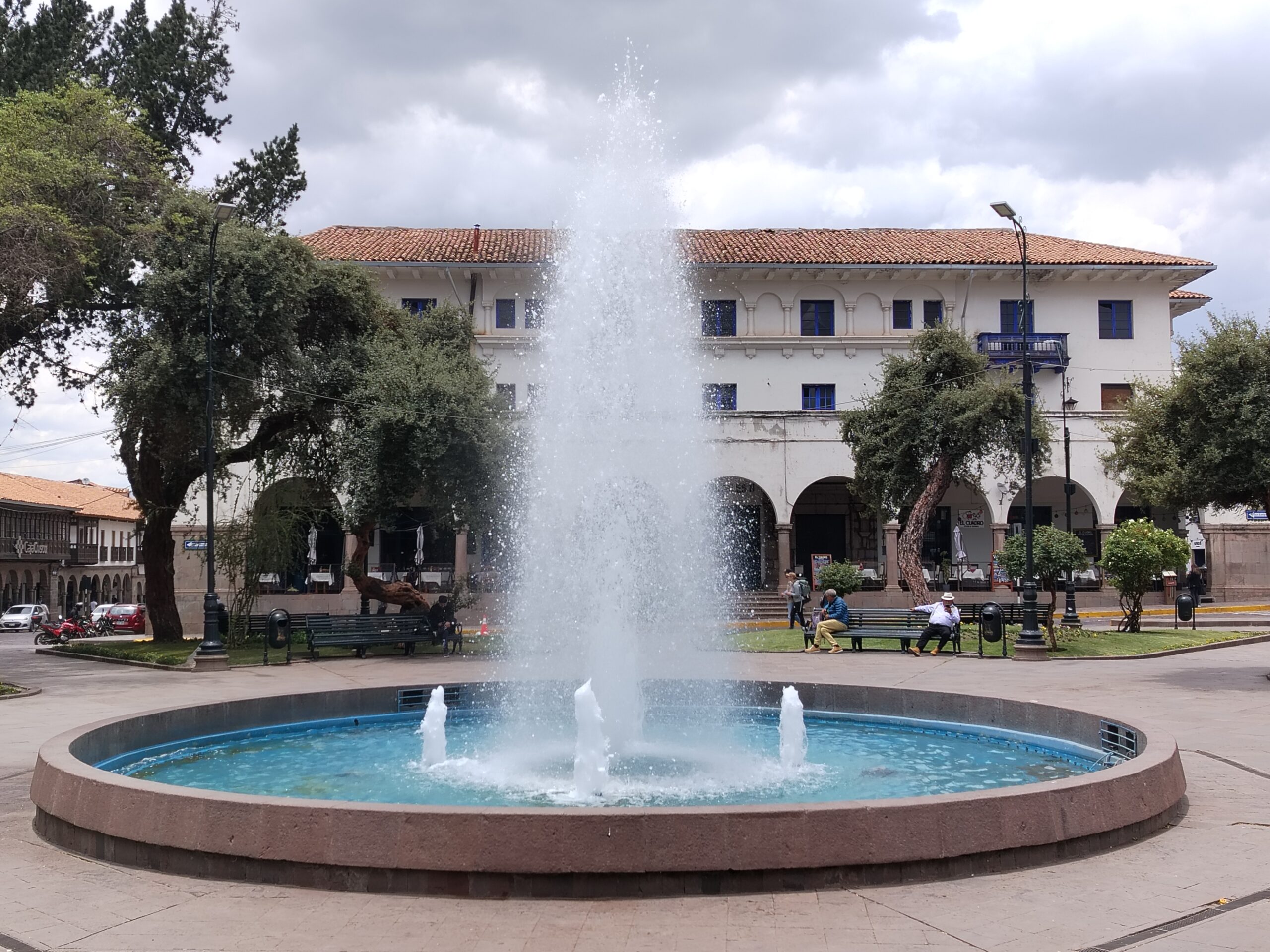
When we arrived at Plaza de Armas in the center of Cusco, the first thing we felt was that this was a living square. People sitting on the steps, tourists, vendors, pigeons and the movement in the middle of the square seemed to gather all the energy of the city here.
The dark clouds in the sky and the large stone buildings behind them made the atmosphere of the square even more impressive. On one side, church bells could be heard; on the other, the voices of street vendors rose.
In our view, Plaza de Armas is not just a tourist spot; it is the truly living center of Cusco. Even after sitting here for just a few minutes, you begin to feel the rhythm of the city.
Cusco Cathedral and the Story of the Inca Stones
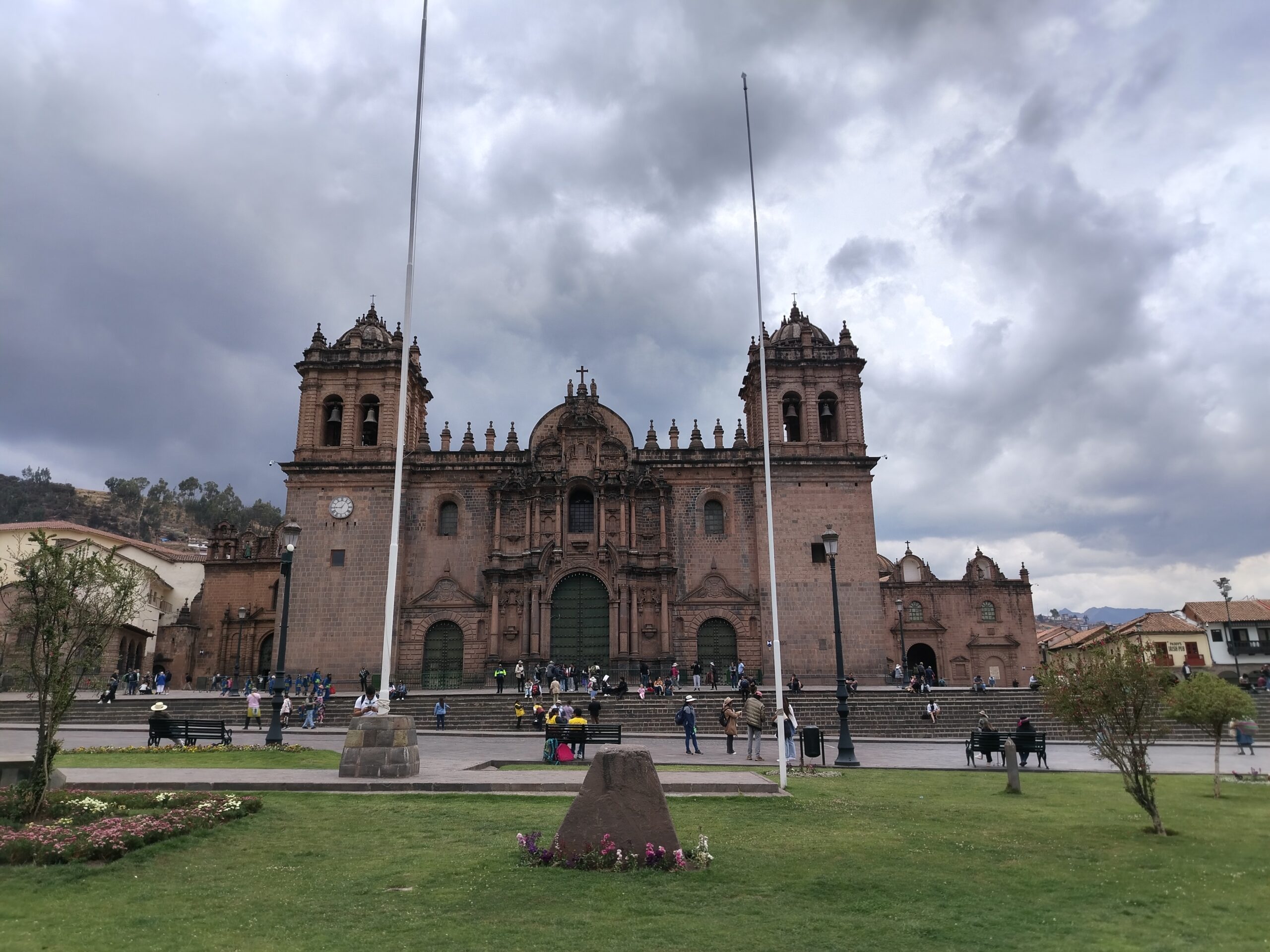
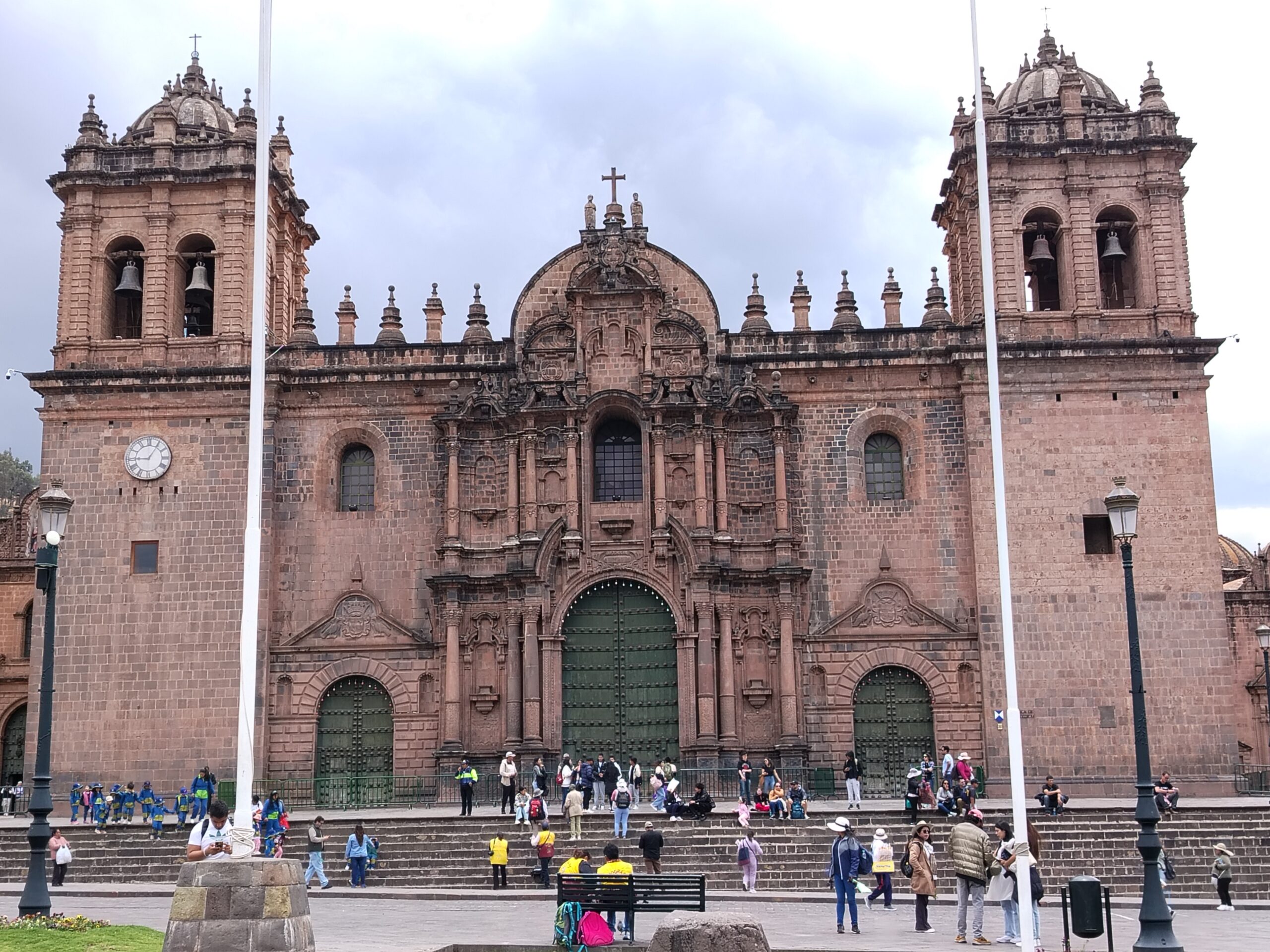
One of the most striking buildings in Plaza de Armas was undoubtedly Cusco Cathedral. With its large stone doors, towers and dark-colored façade, it has a very majestic appearance.
However, what makes this building truly interesting is not only its architecture, but the history it carries.
As far as we learned, stones removed from Inca structures were used in the construction of the cathedral. In other words, this large colonial building we see today was actually built on the stones of the old Inca civilization.
After learning this, we began to look at the building differently. Because you no longer see only a church. You also see the traces of a lost civilization.
Sitting on the steps in front of the cathedral, it was quite impressive to think that stones worked by Inca stonemasons hundreds of years ago are still here today.
Stone Streets, Blue Balconies and the Atmosphere of Cusco
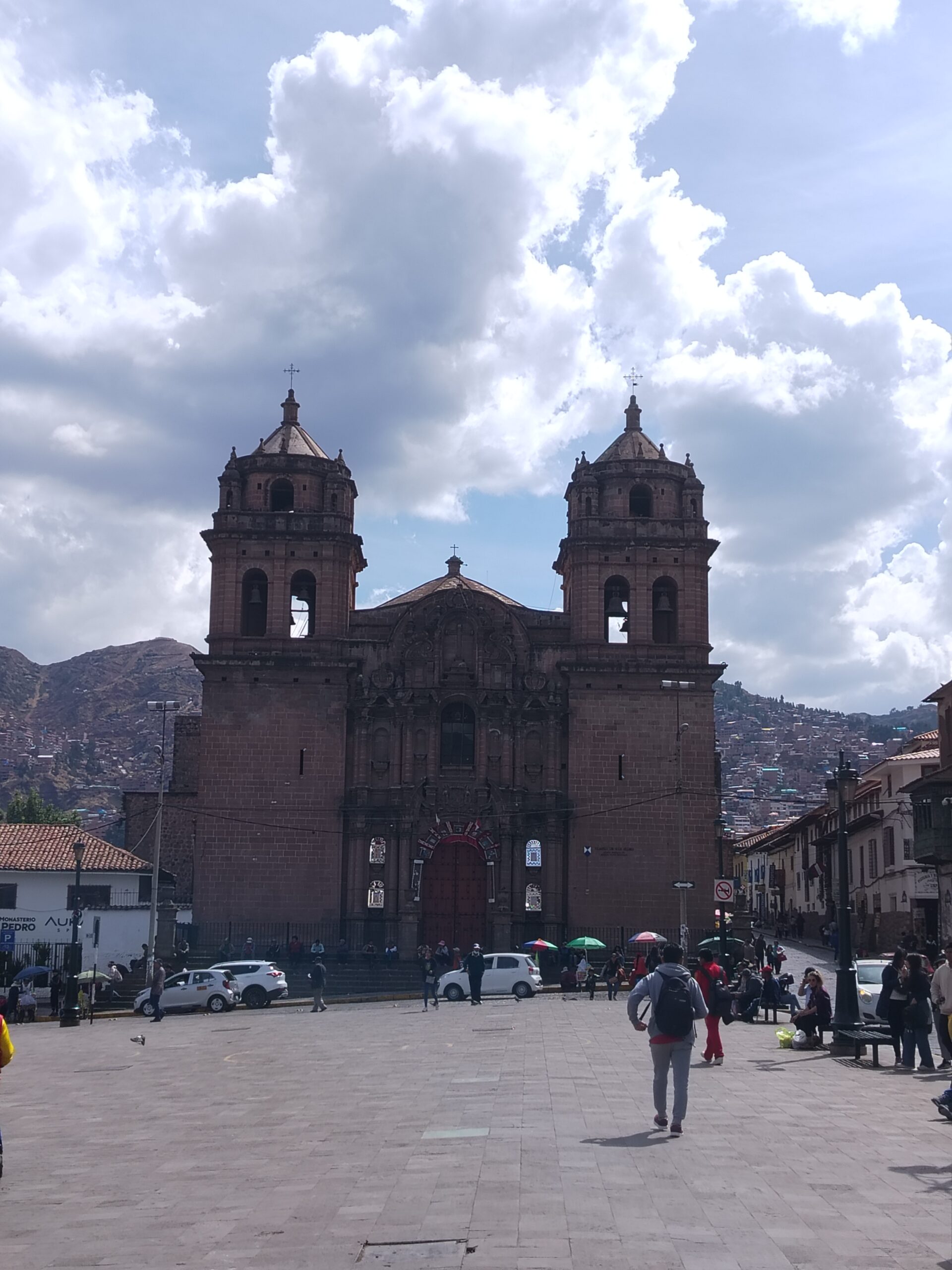
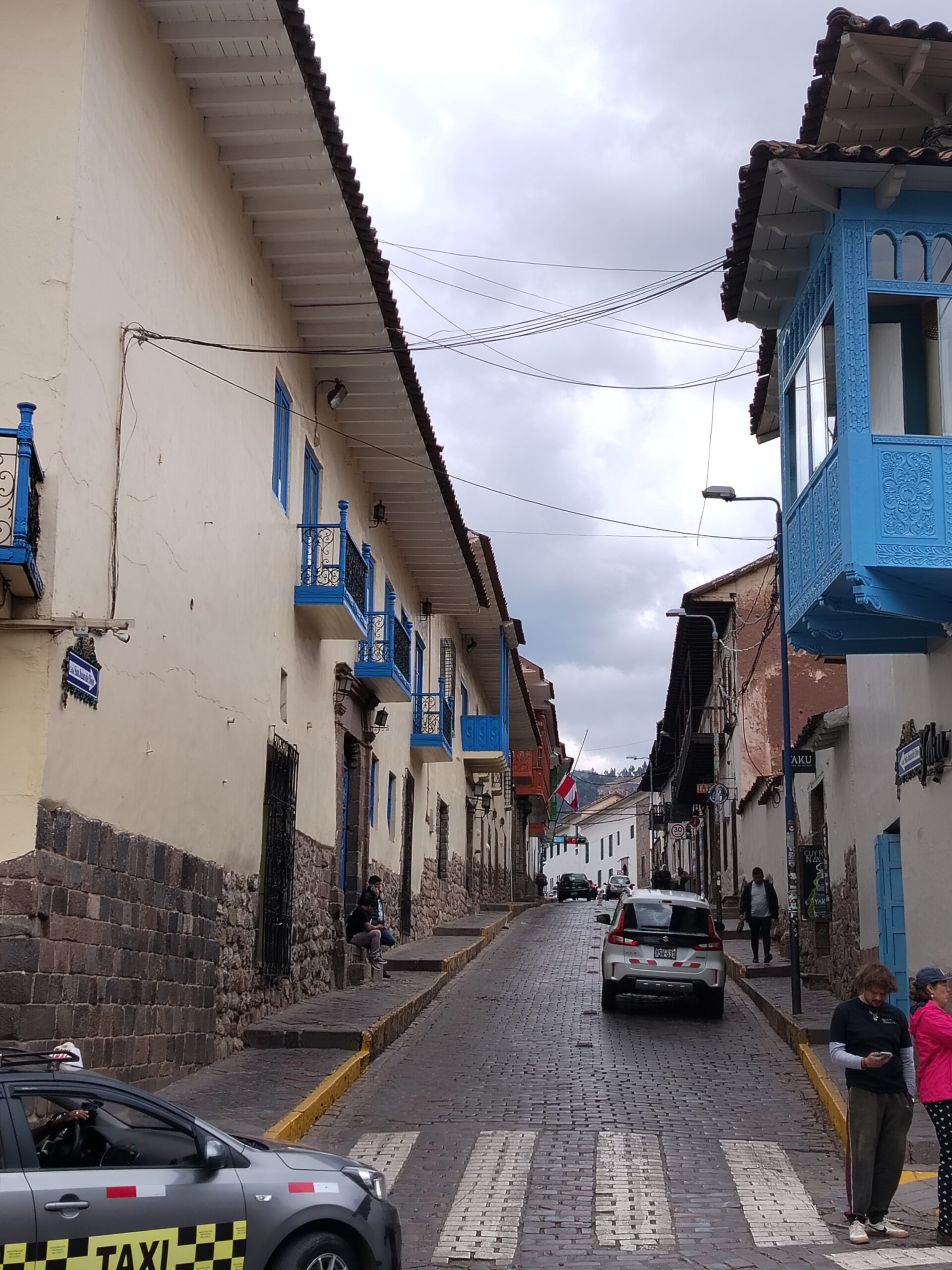
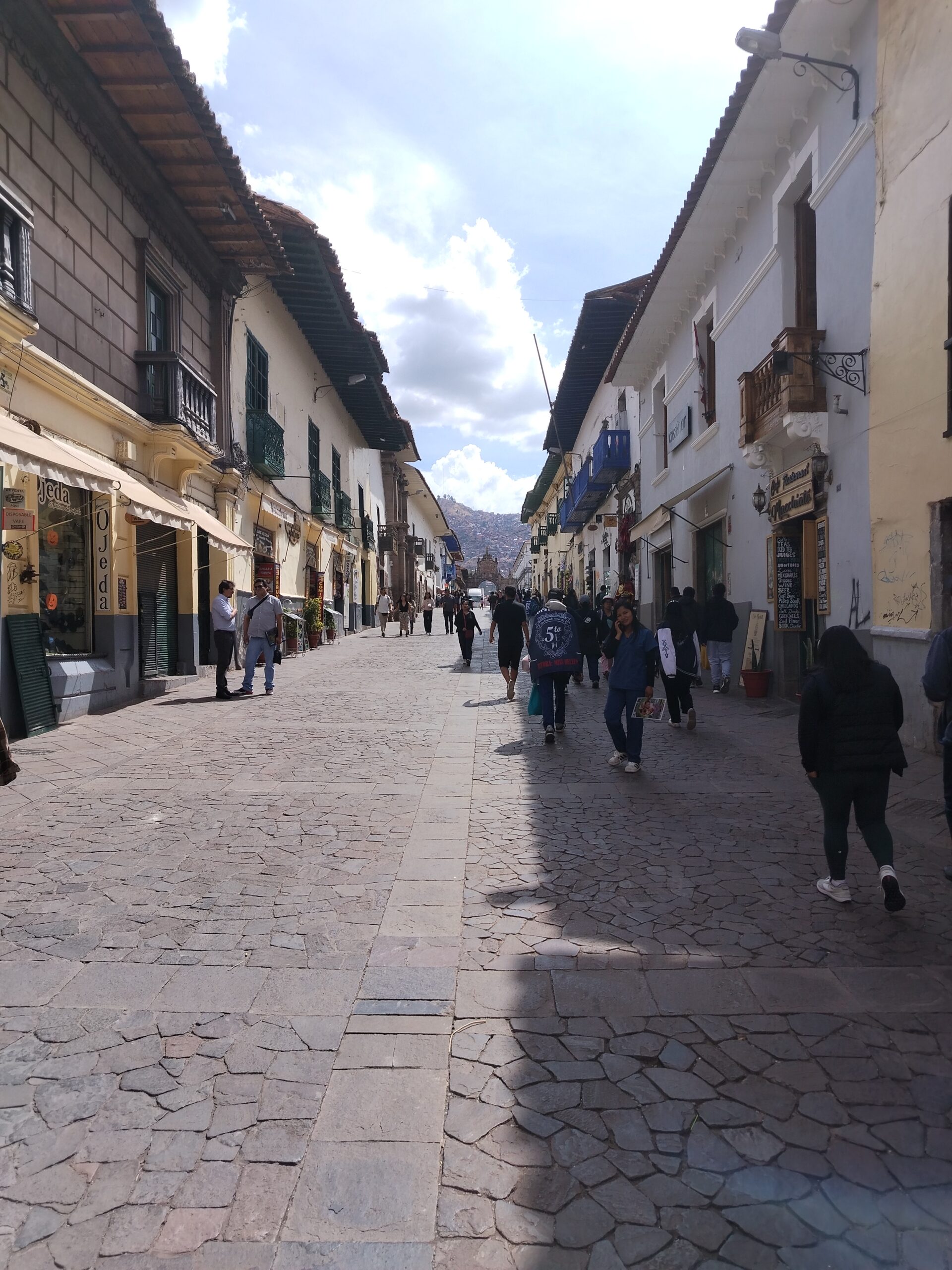
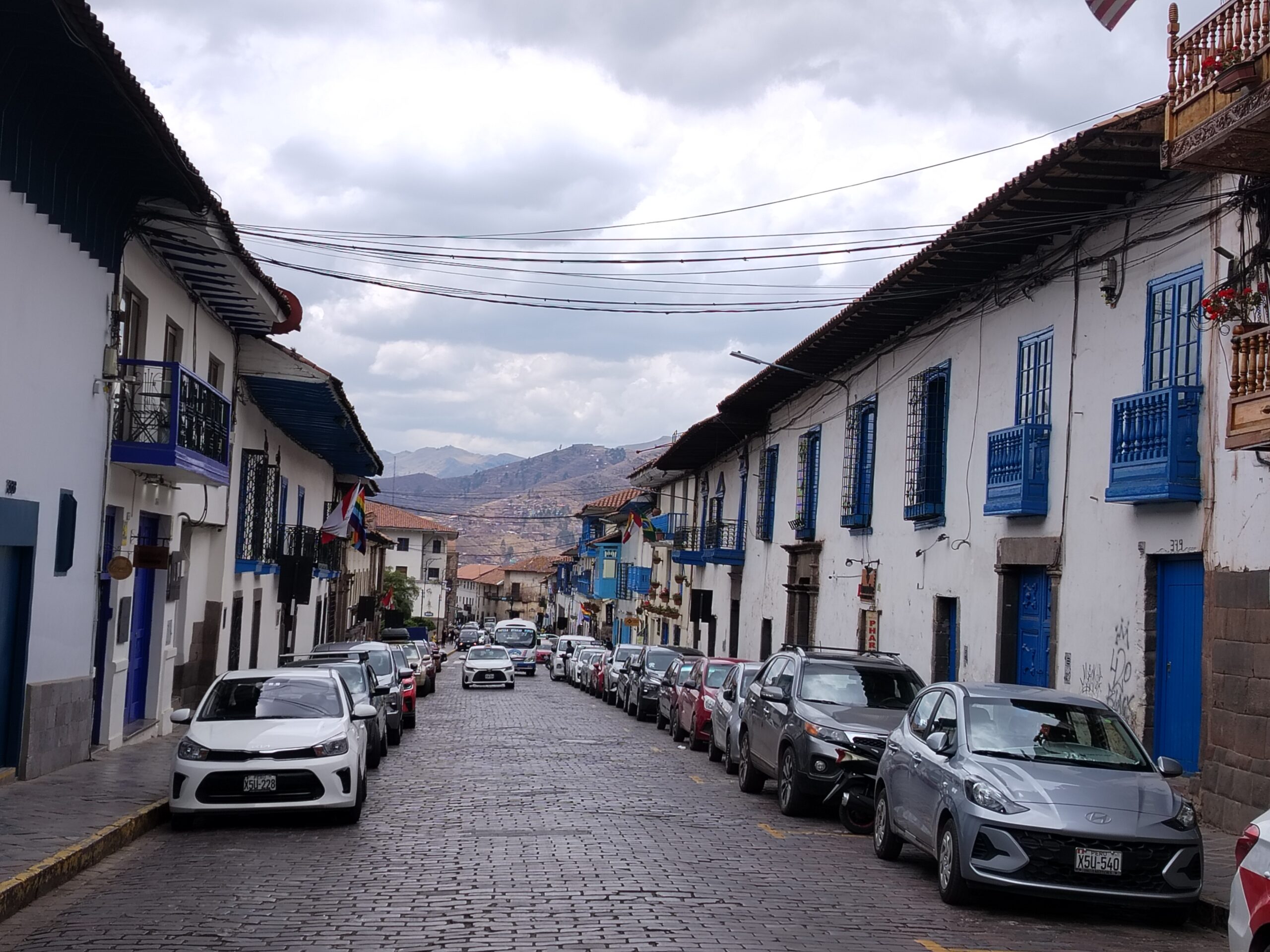
One of the things that impressed us most in Cusco was walking through its stone streets. Narrow roads, old houses with white walls, blue wooden balconies and streets that constantly climb upward give the city a very strong character.
Walking through some streets, we felt as if we were inside a film scene. You turn a corner and an old church appears; a few minutes later, a mountain view opens up.
Because of the high altitude, even short walks can sometimes become tiring. Yet Cusco’s atmosphere constantly pushes you to keep walking and discover new streets.
The areas with stone roads and blue balconies in particular became some of our favorite places.
Arco de Santa Clara: The Historic Gate of the City
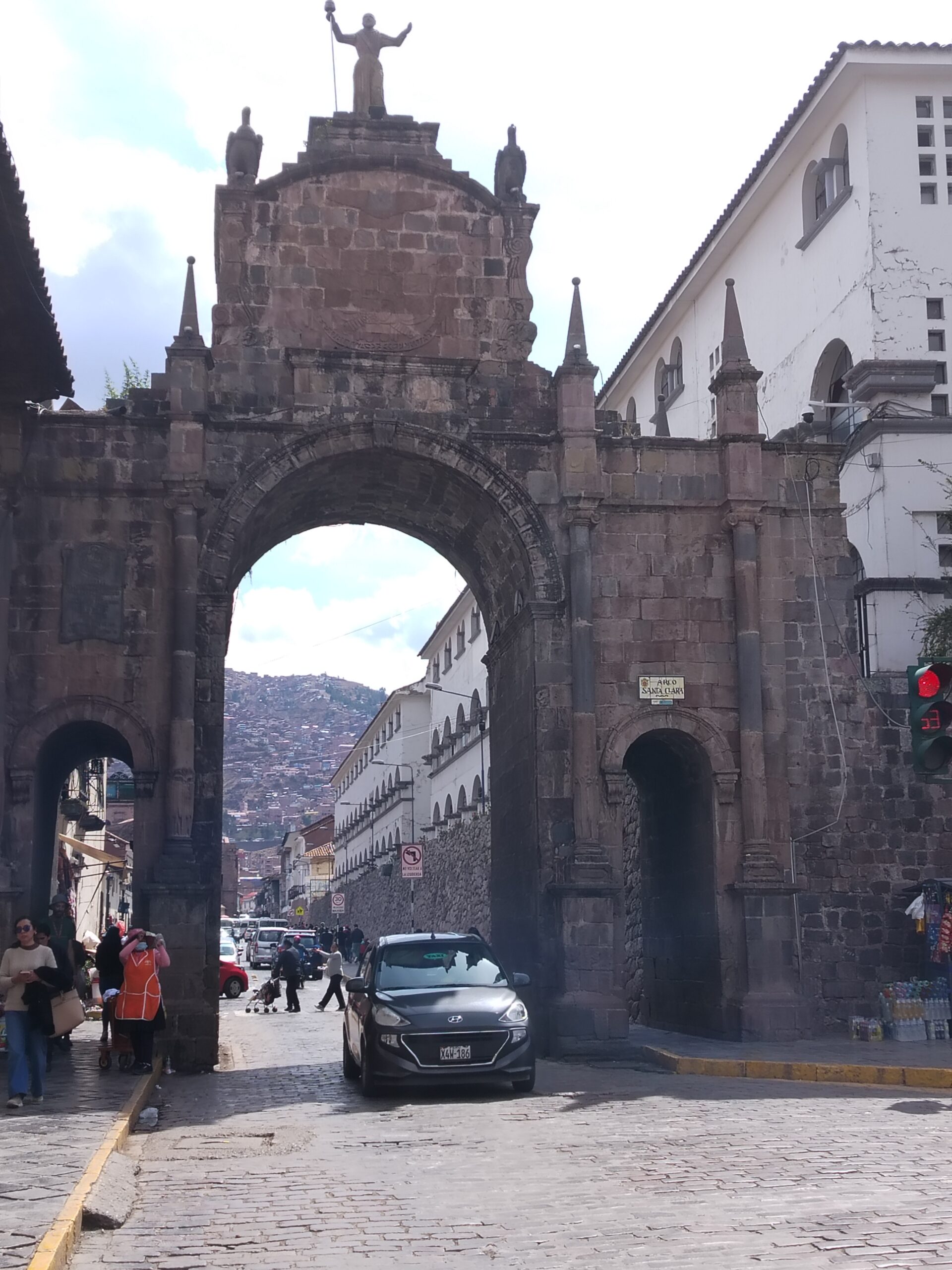
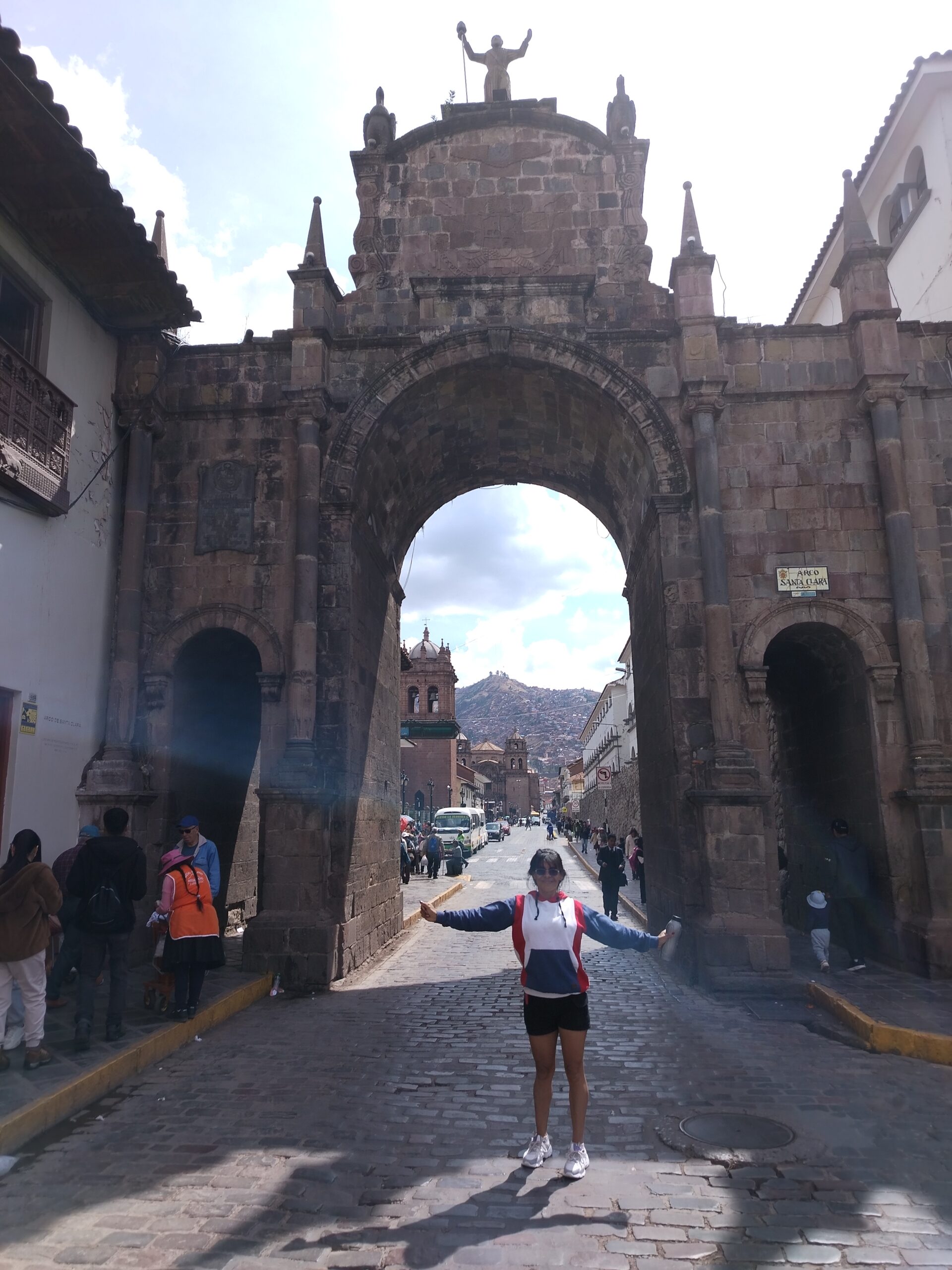
One of the structures that impressed us most in Cusco was Arco de Santa Clara. When you look from beneath the large stone arch, old streets, church towers and the Andes come together in the same frame.
We stood here for a while and simply watched people. The thought that people have passed through the same point for centuries creates a very impressive feeling.
One of Cusco’s strongest sides is that it does not hide its past. The city shows its history everywhere.
Local Life and Peru’s Andean Culture
Cusco is not made up only of historic buildings. The true spirit of the city is also hidden in everyday life.
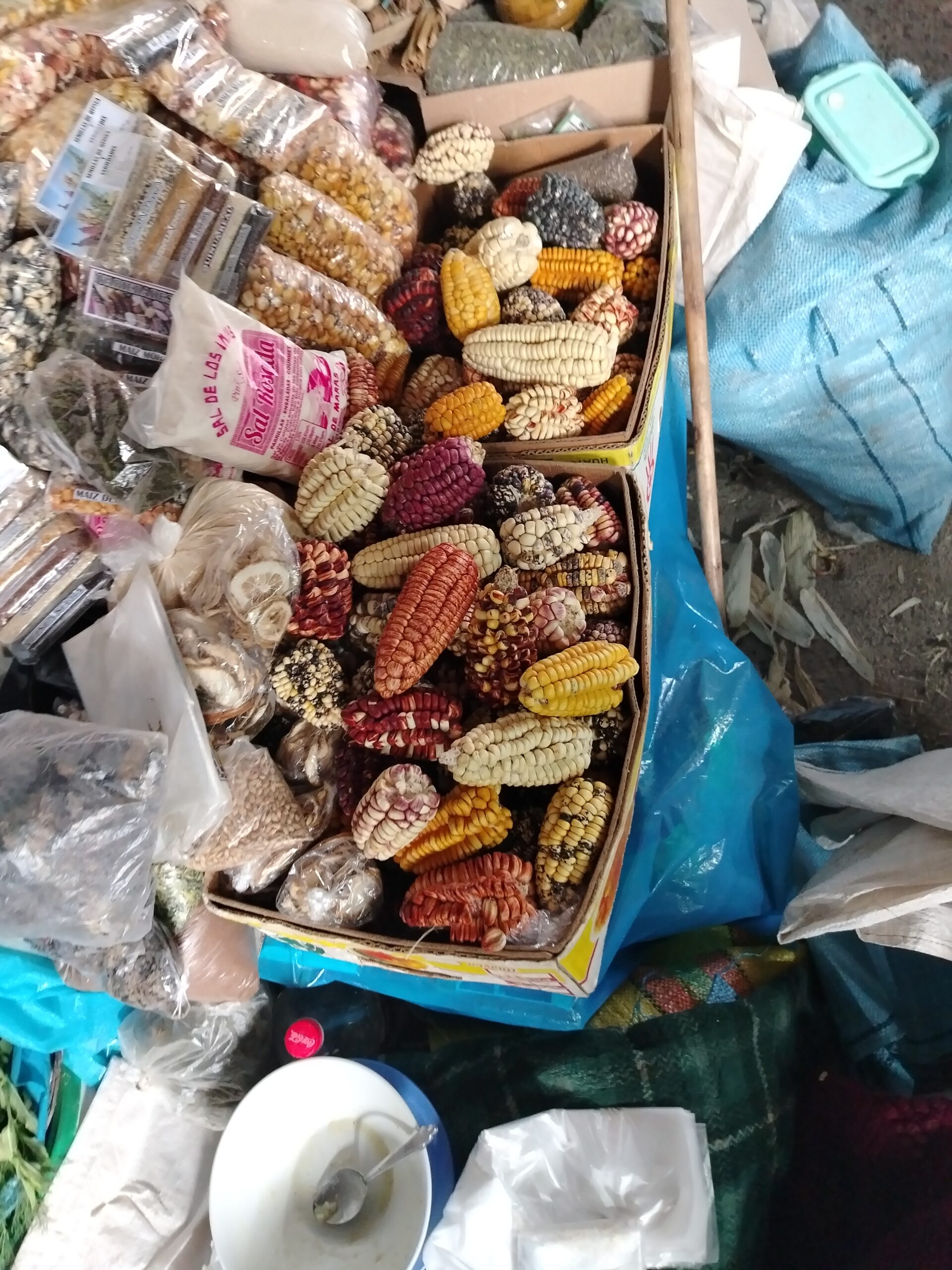
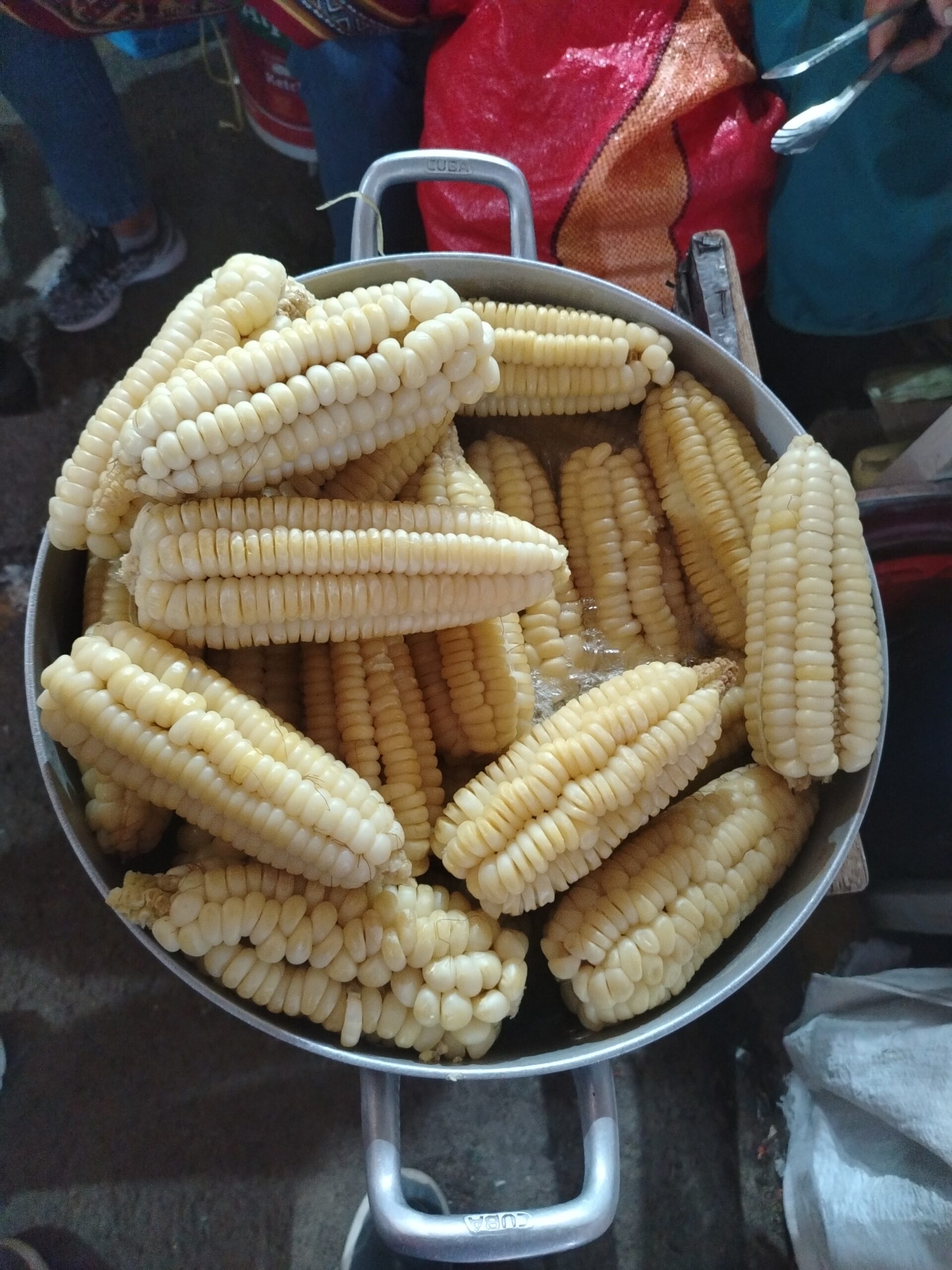
The corn in different colors that we saw in the markets was especially striking. In Peru, corn seems to be not just a food, but one of the important parts of the culture.
The large ears of corn in purple, white and yellow tones were quite different both in appearance and taste. The large white Peruvian corn especially caught our attention.
People walking through the streets in traditional clothing, small shops and local markets make you feel that Cusco is still a living Andean city.
Protests and Cusco’s Living Identity
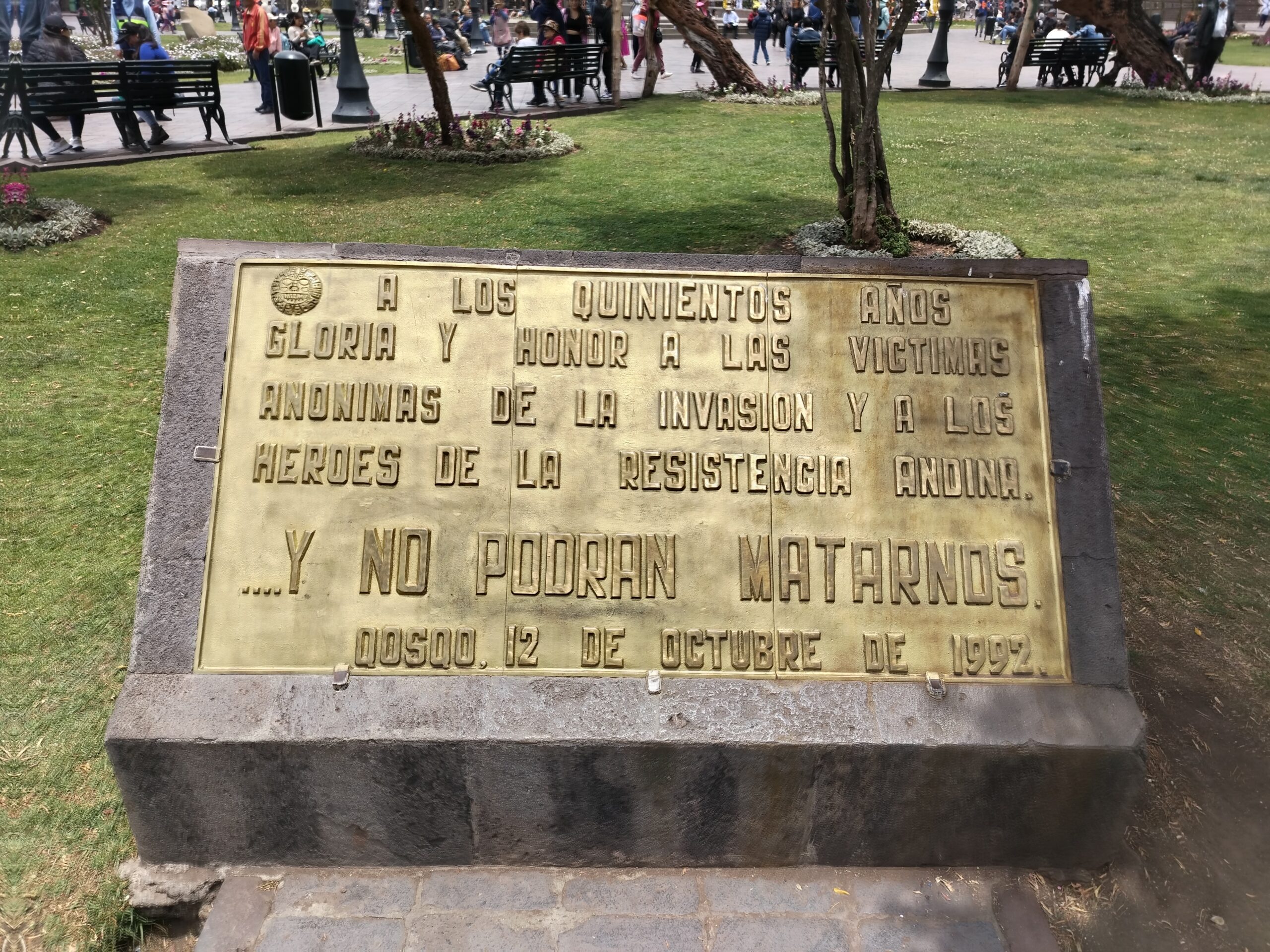
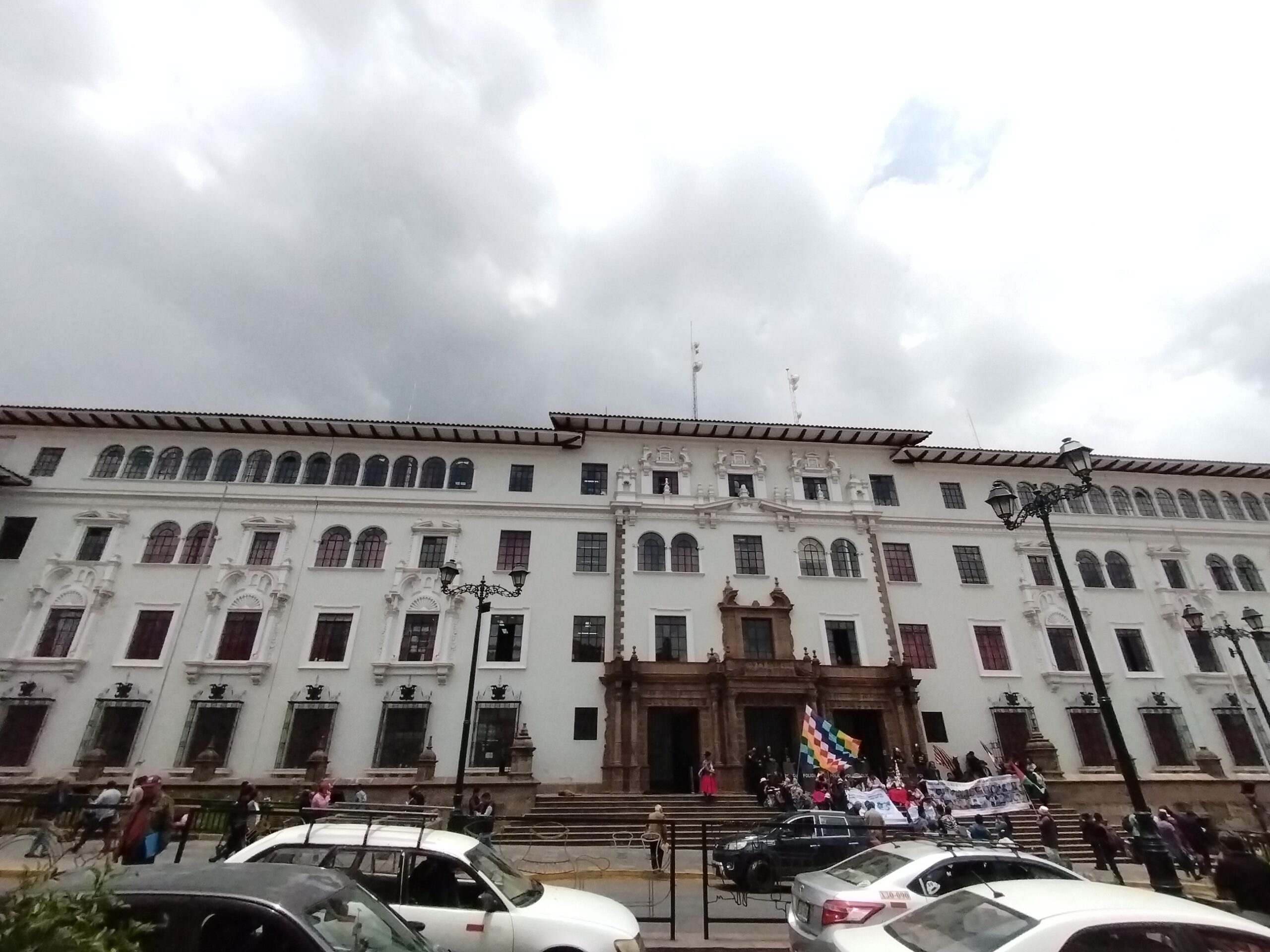
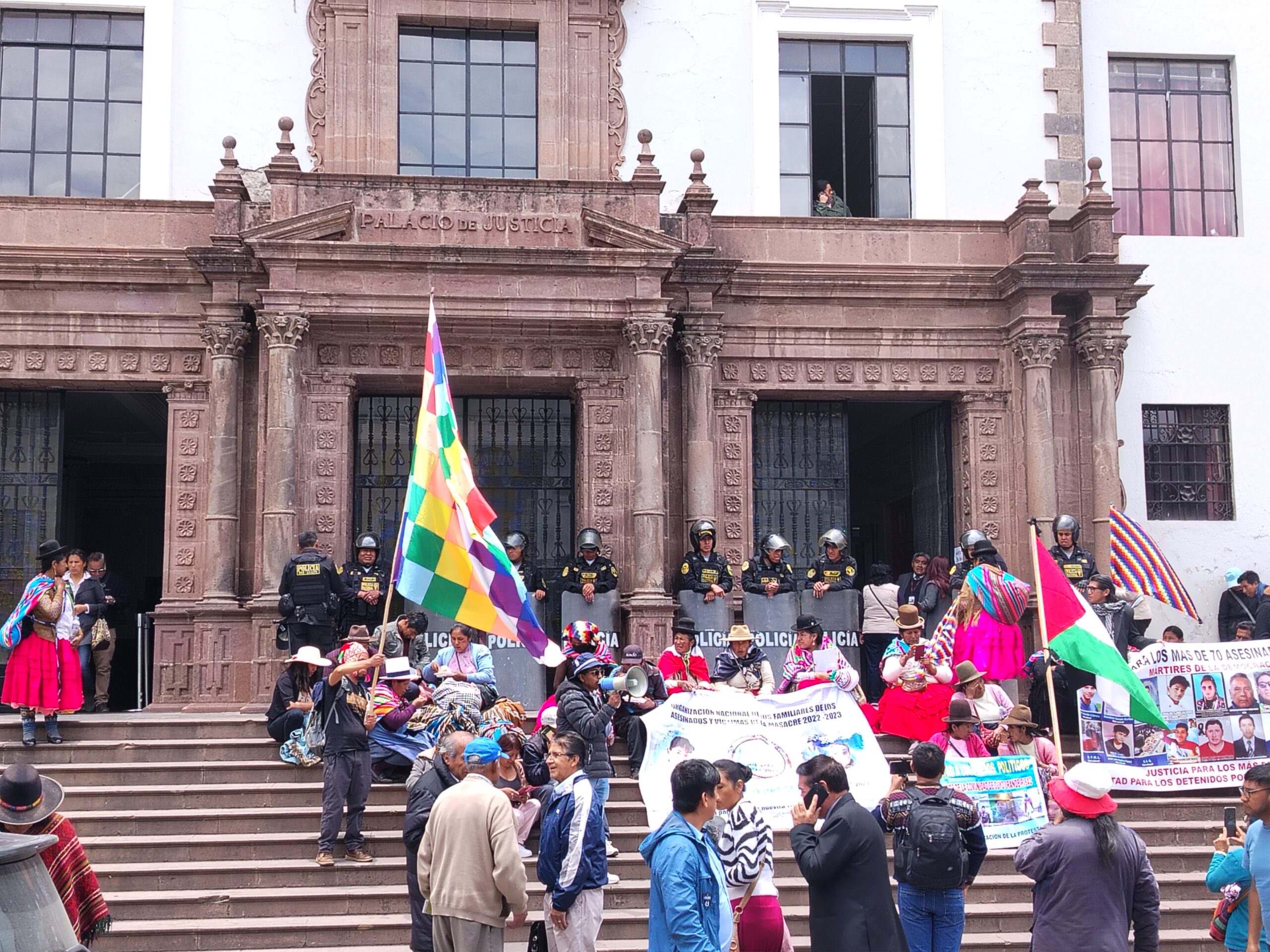
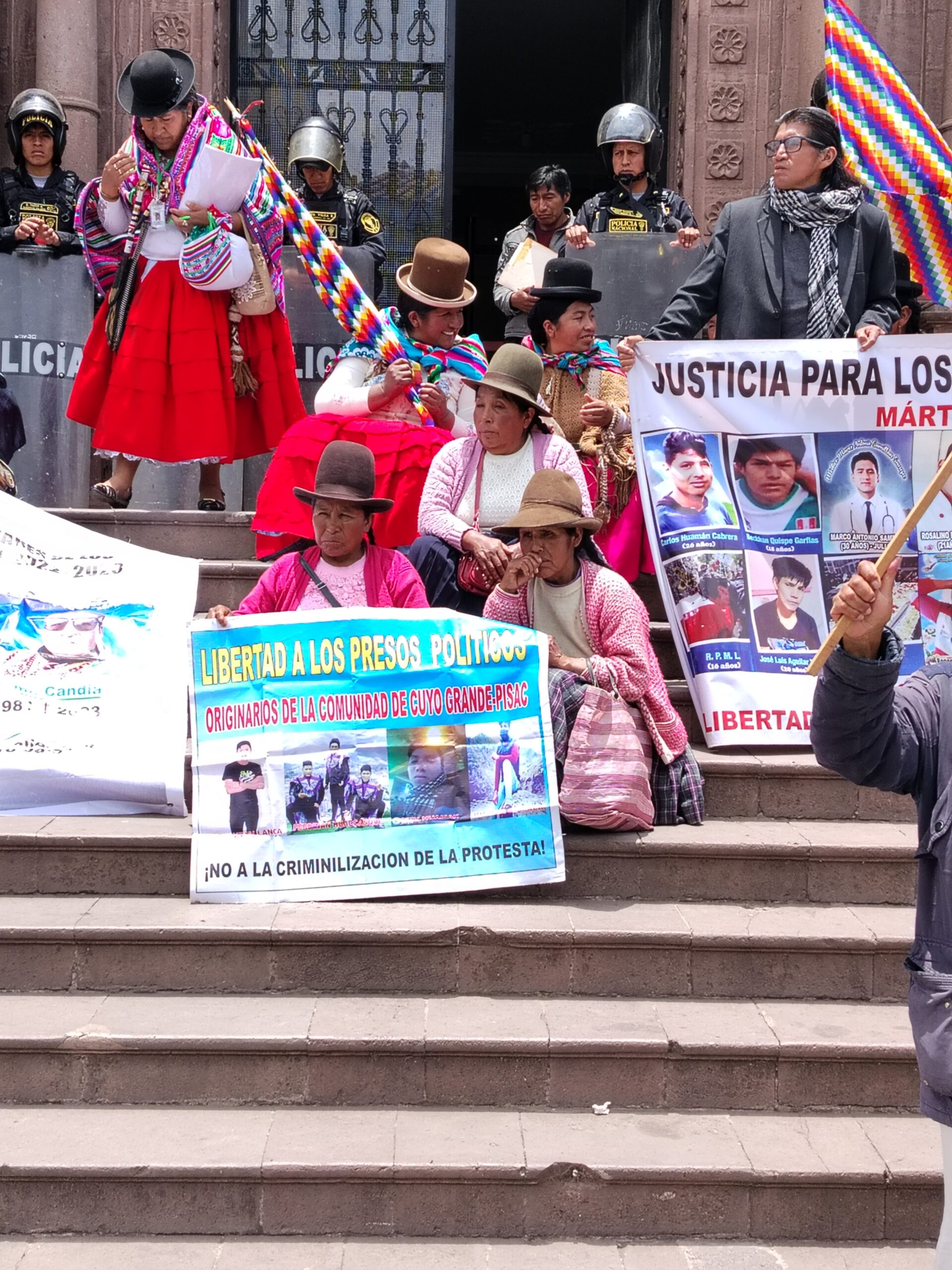
While walking around the city, we also came across protests by the Indigenous people. Wiphala flags, traditional clothing, banners and people waiting in front of the police were quite striking at first.
But after watching for a while, you understand that this is part of Cusco’s real identity.
Here, the Inca past is not just a tourist detail. Indigenous culture, history and the struggle for identity still continue to live within daily life.
Perhaps this is exactly what makes Cusco so impressive. Because this city does not only tell the past; it continues to live it.
Leaving Cusco
When we left Cusco, it was not only the historic buildings that remained in our minds. The atmosphere we felt while walking through the stone streets, the harsh air brought by the high altitude, the people in the square and the fact that Andean culture is still so strong in the city were the things that impressed us most.
Some cities are only visited.
Others are felt.
For us, Cusco definitely became one of the places in the second group.
For our other travel articles in South America, you can visit our English blog page .
For more historical information about Cusco, you can visit Cusco – Wikipedia English .
Follow us
You can also follow our social media accounts for short videos, photos and instant posts from our journey.
- YouTube Shorts: Watch our short road videos
- Instagram: Photos and daily posts
- Facebook: Our Facebook page