
Every kilometer, every stop, every face and every breath became engraved in our memory like part of a fairy tale.
1. FIRST STEP INTO BOLIVIA: TOWARD VILLA MONTES
That morning when we left Paraguay, the sky was slightly hazy. As soon as we crossed the border, the makeshift military checkpoint in front of us showed the spirit of the journey from the very beginning: this road was simple, real and unadorned. It was not a modern crossing decorated with signs, nor an orderly border gate. Just a small structure sheltering in the shadow of the wind, a few soldiers and a Bolivian flag gently swaying in the dust. Our passports were checked, a few questions were asked, and that long road toward the Andes took us in.
The first kilometers of Bolivia felt like a continuation of Paraguay: plains, light shrubs, the shimmer of heat trembling in the distance. It was as if the world had not yet decided to turn into mountains.
After a long drive, we arrived in Villa Montes. This was a simple but lively town in the middle of the Chaco. The streets were alive, people were busy, the air was hot. First, we exchanged money, because those classic Bolivian checkpoints had already made themselves clear from the road. The control points along the way asked for documents and also collected small fees.
We took a short break in Villa Montes, shook off the tiredness with a cold drink, then turned the key that brought the sound of the engine back to life.
And that was when the road truly began.
2. IN THE SHADOW OF THE MOUNTAINS: CLIMBING TOWARD TARABUCO
Our first climb into the mountains on the road from Paraguay to Sucre began shortly after leaving Villa Montes. It was as if the earth’s crust was slowly swelling, reshaping itself before our eyes.
The first curves appeared.
Then the second ones.
Then bends that seemed to go on forever.
And suddenly, the flat Paraguayan lands were left behind and Bolivia’s legendary highlands began. Dirt roads, winding mountain passes, valleys carved by streams. Everything was wilder, more natural, more silent.
When night fell, the color of the road changed. Apart from the few meters lit by the headlights, the world was completely dark. We stopped beside a police checkpoint and slept in the car. That was our first encounter with the cold night of the Andes.
In the early morning light, we continued on the road and after a while we saw that magical town with red roofs, colorful clothes and narrow streets:
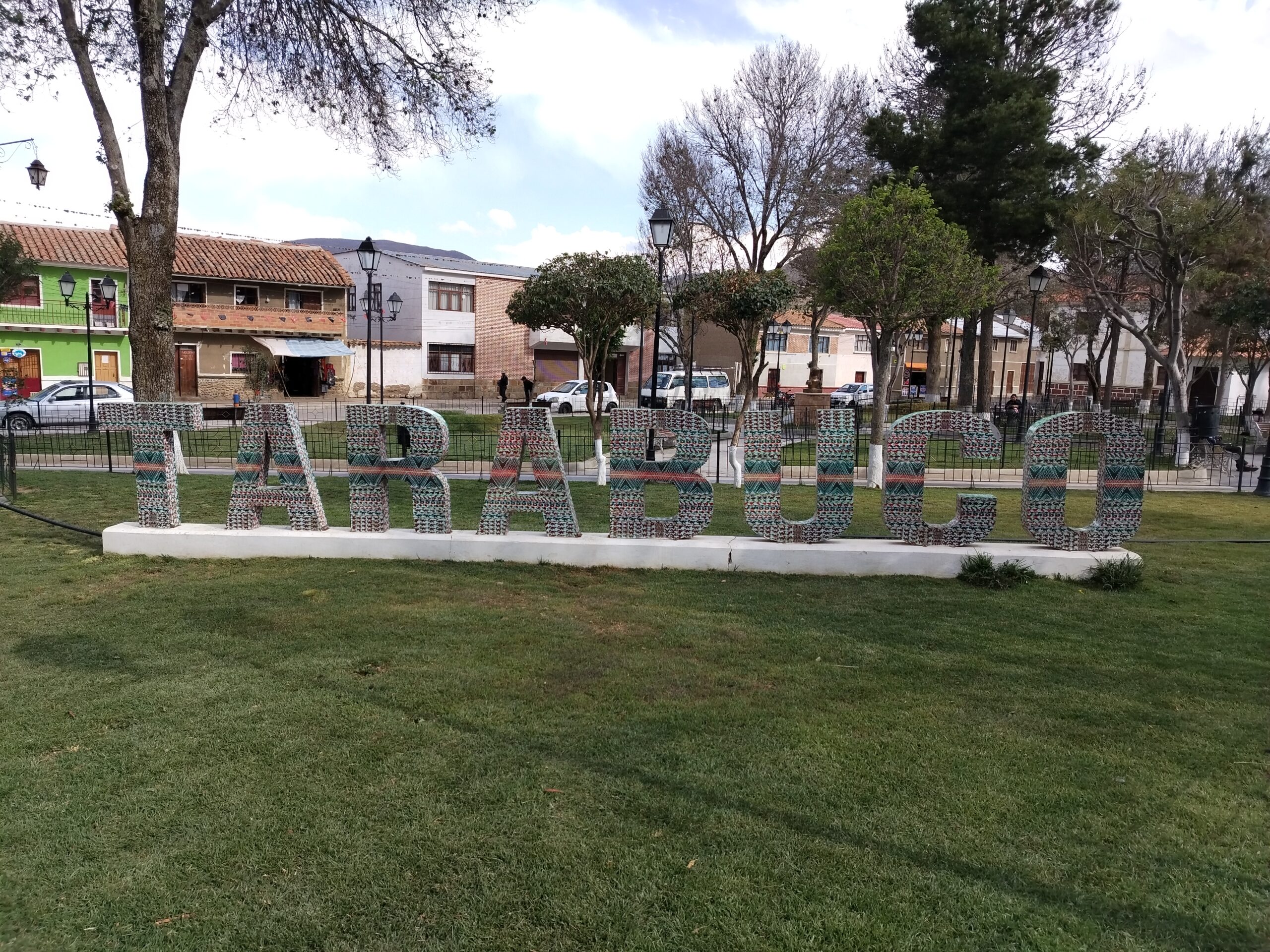
Tarabuco.
If you would like to read more about our story, you can visit our About Us page.
3. TARABUCO: THE COLORFUL HEART OF BOLIVIA
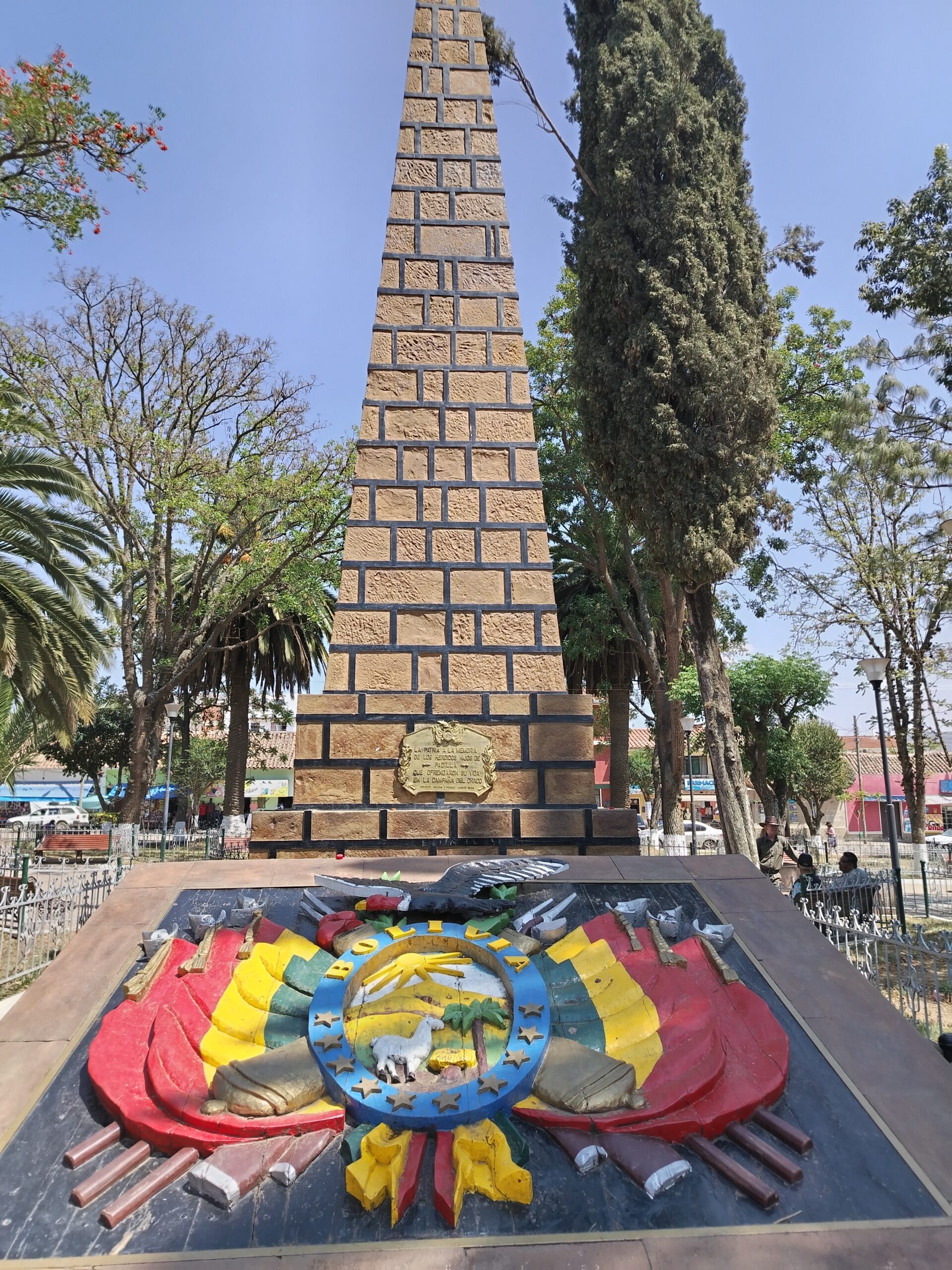
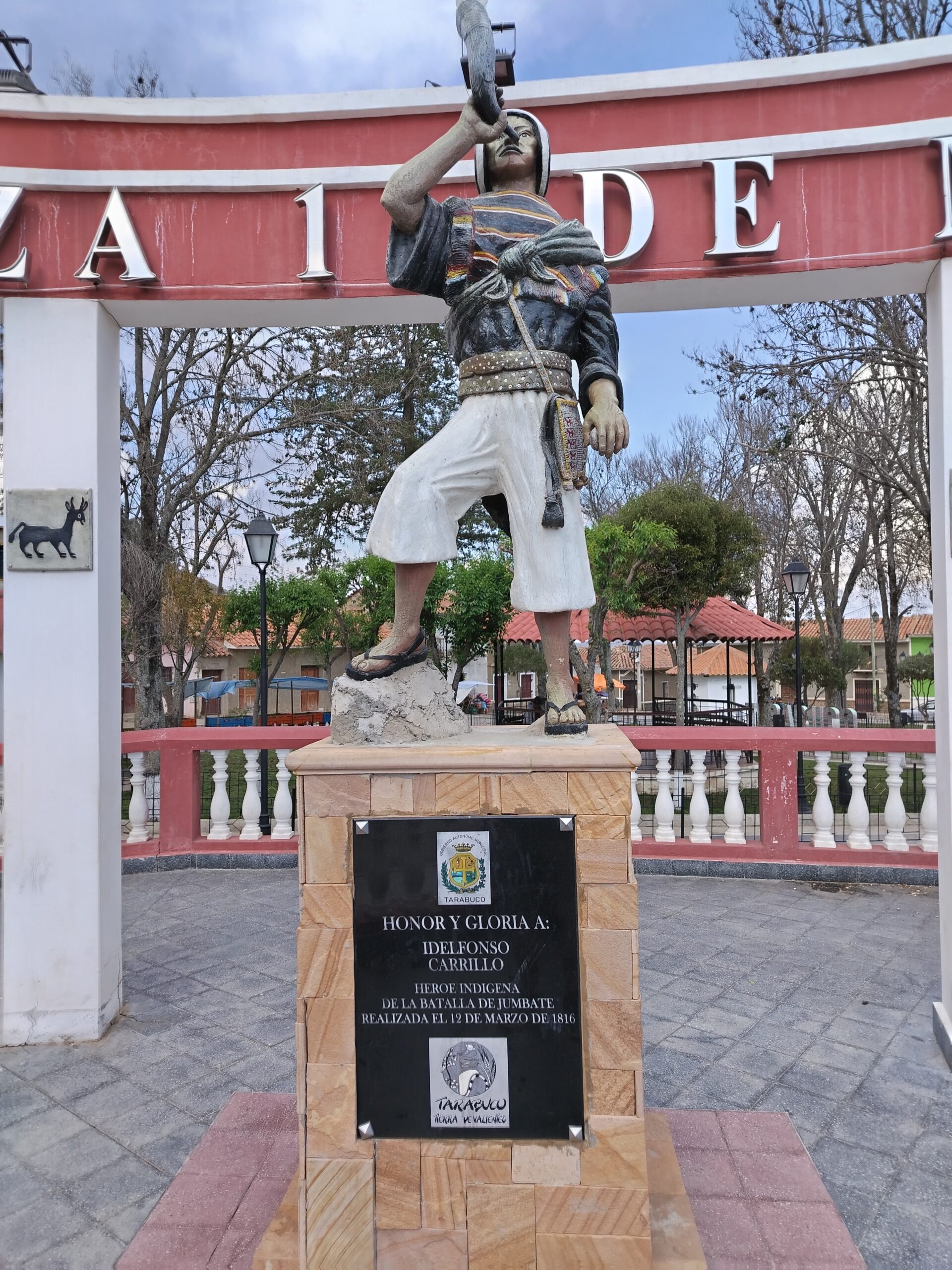
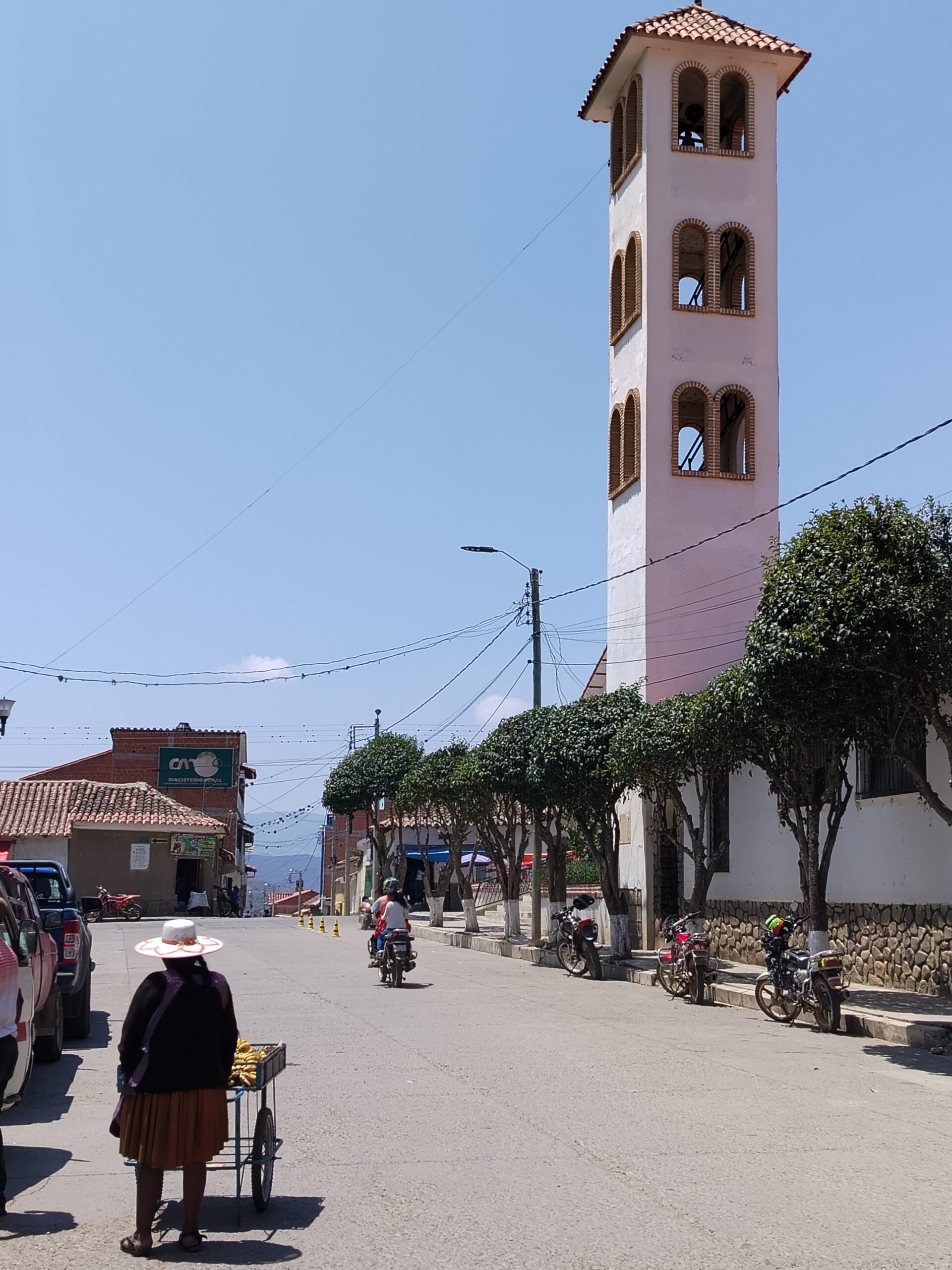
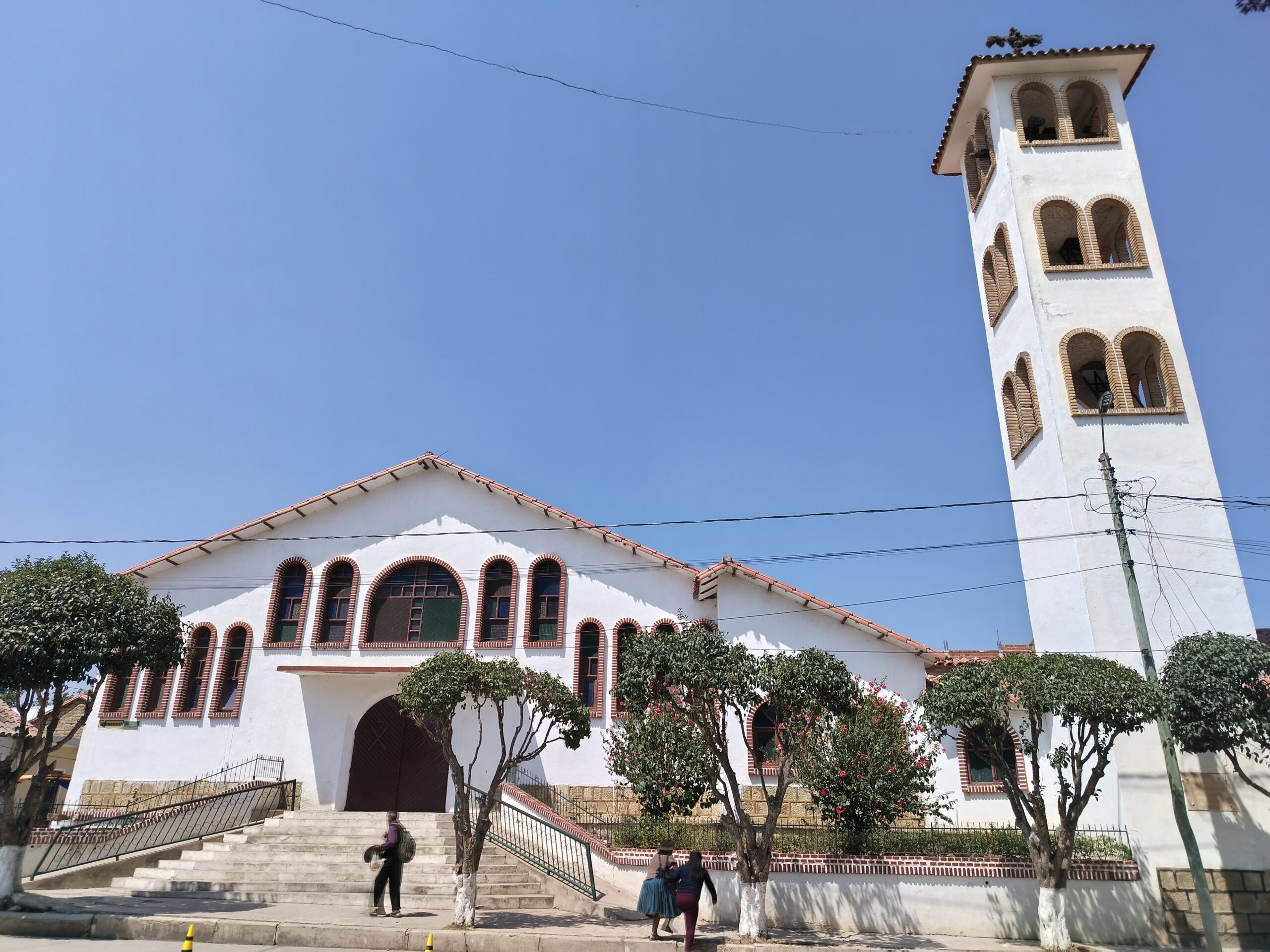
Entering Tarabuco felt like stepping into a little fairy tale book. One of Bolivia’s most authentic cultures lives here, in all its simplicity. Located at an altitude of around 3,200 meters, this town makes you feel the high Andean air from the very first step.
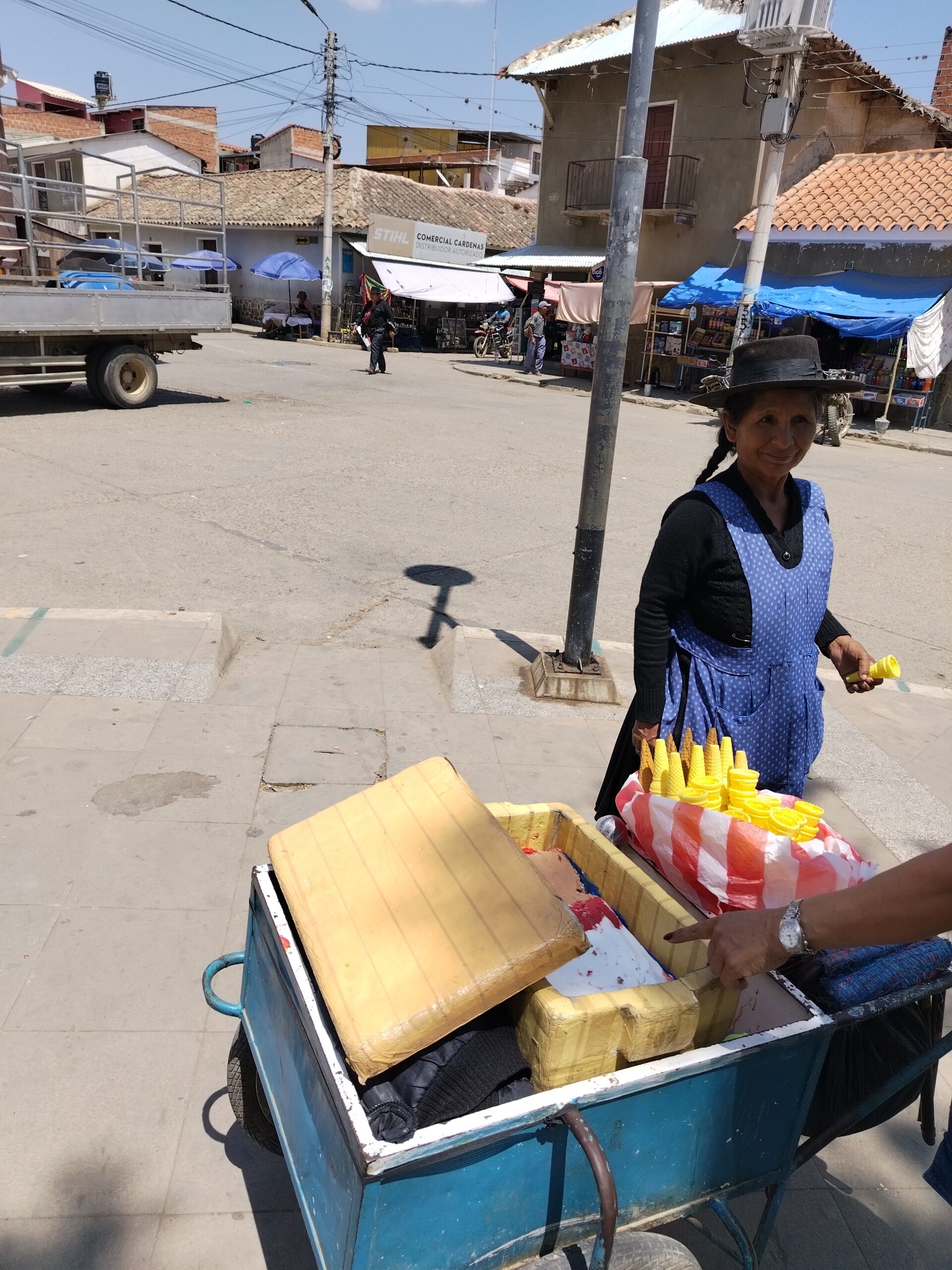
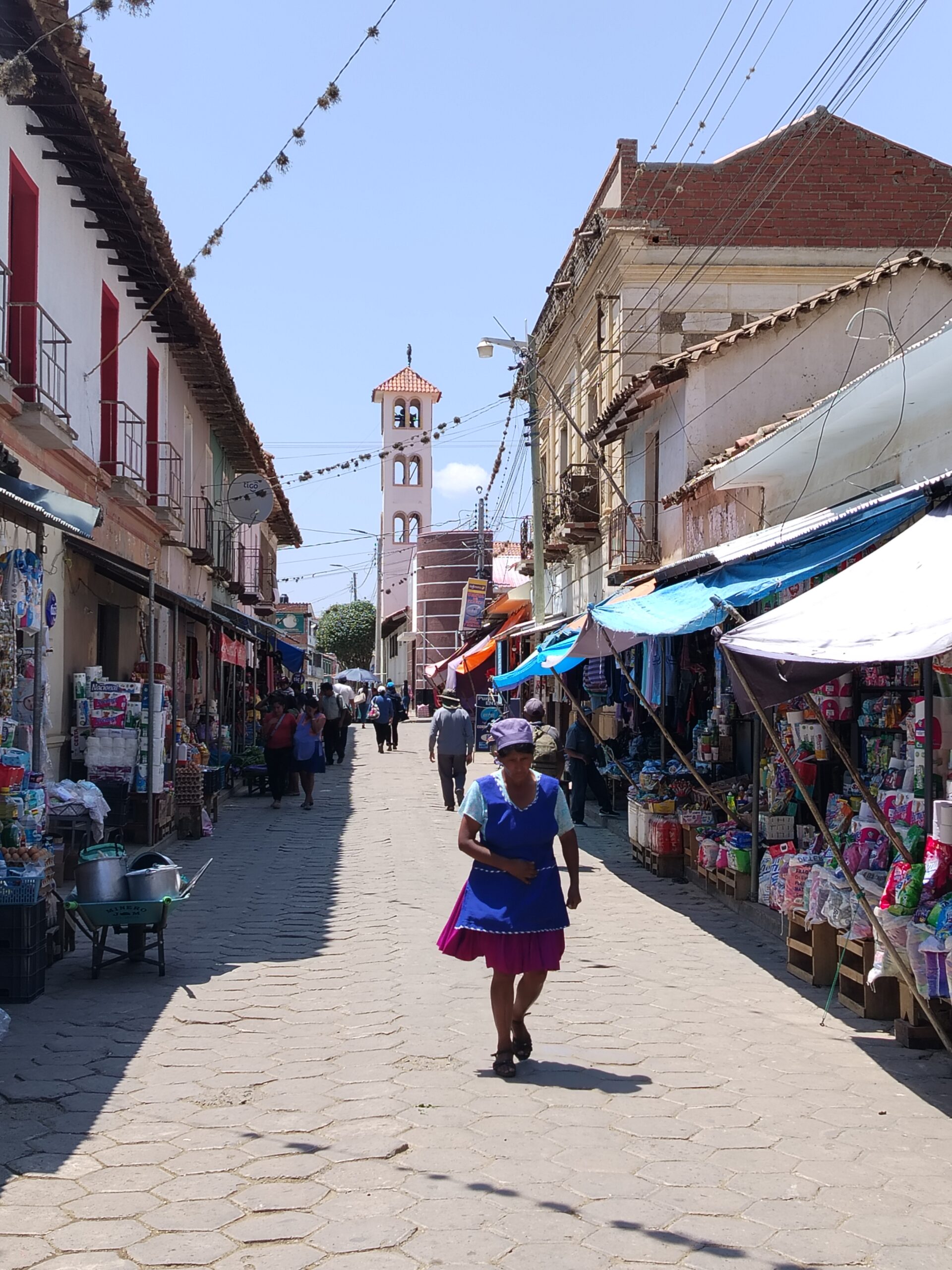
Women walked through the streets in colorful traditional woven clothing. Their hats, patterns and posture carried the traces of a culture that seemed unchanged for centuries.
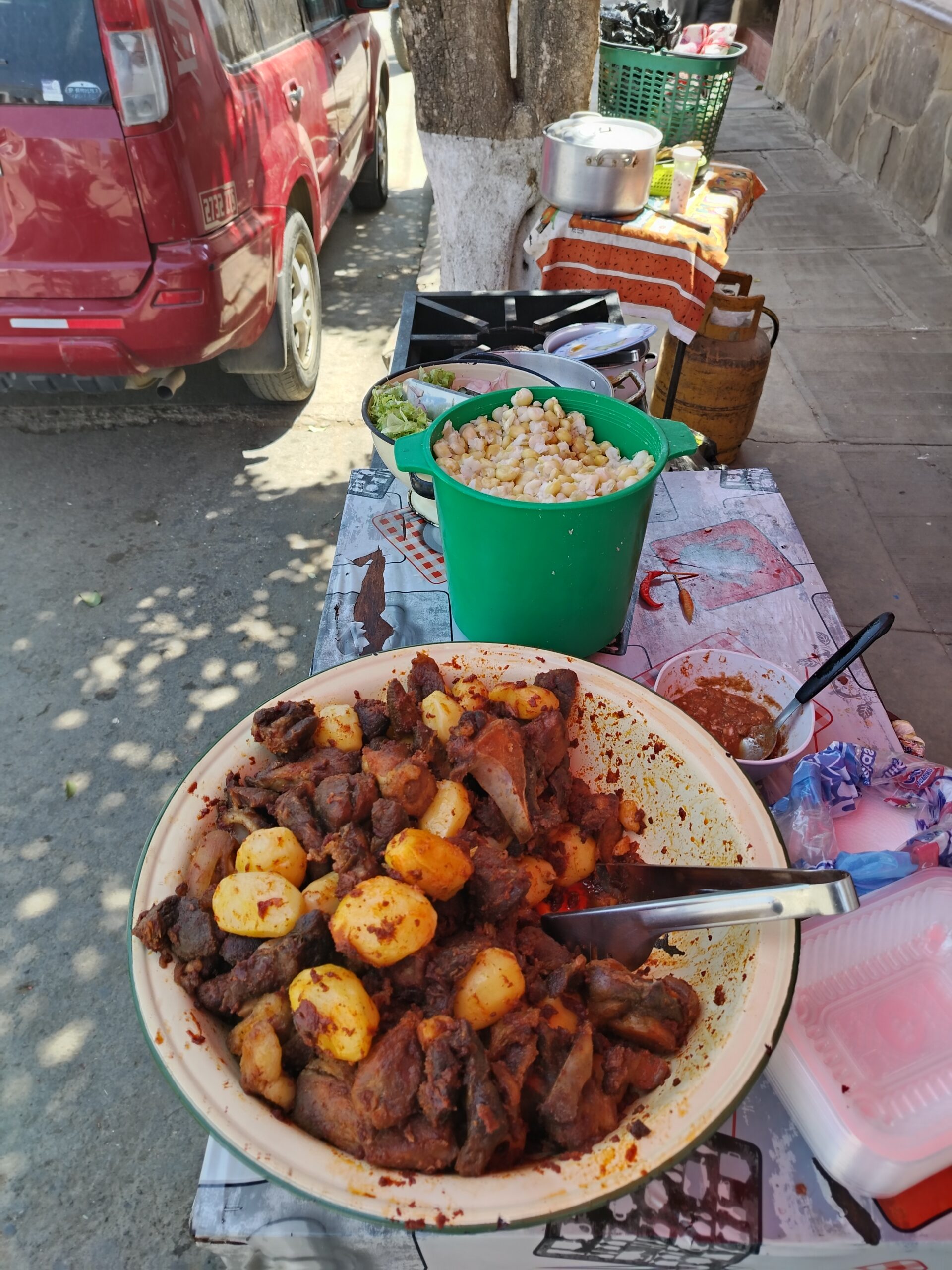
As we walked through the market, the smell of earth and stone mixed with the stalls. The sweets and food were simple but very delicious.
The cuisine of this town is just like its culture: unpretentious, real and sincere.
Tarabuco was the soul of Bolivia. While the wind of the Andes moved through our hair, life here seemed to flow more slowly.
4. SUCRE: THE LIGHT OF THE WHITE CITY
We left Tarabuco and entered the mountains again. The curves continued, but the road became more organized. As the sky turned pink in the late afternoon, Sucre, Bolivia’s official capital, appeared before us. Located at around 2,800 meters above sea level, the city made us feel the cool and light air of altitude from the very first moment.
Yes, many people do not know this: Sucre is Bolivia’s constitutional and official capital. Because it is famous for its white houses, it is known as “La Ciudad Blanca,” the White City.
As soon as we settled into our Airbnb, one image came back to our minds: Bolivian women grilling fish by the roadside. We went back and bought a large grilled fish. That night, we ate it with all our tiredness and sank into the silence of the city.
Sucre’s night rested our souls with the light coolness of the high altitude.
5. LOOKING AT SUCRE FROM THE TOP OF RECOLETA
The next morning, we went to one of Sucre’s most famous spots:
Mirador de la Recoleta.
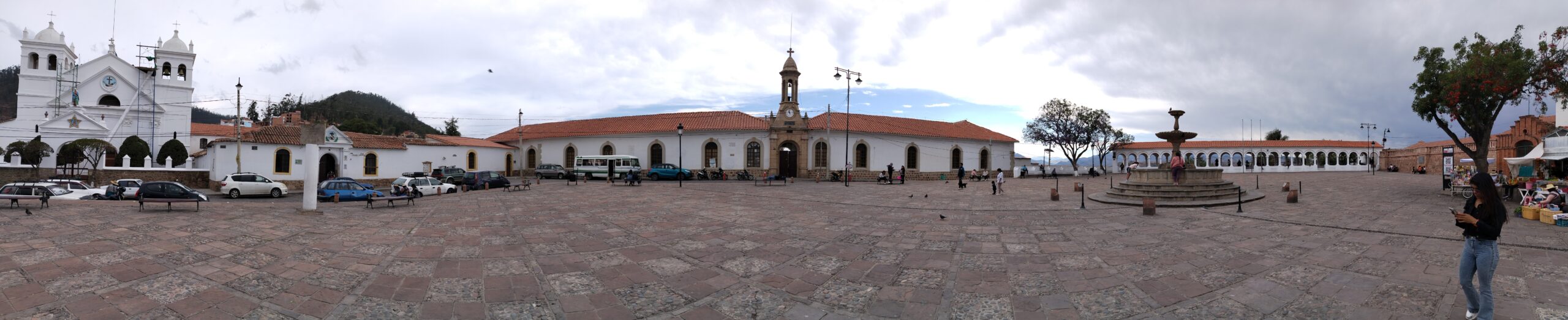
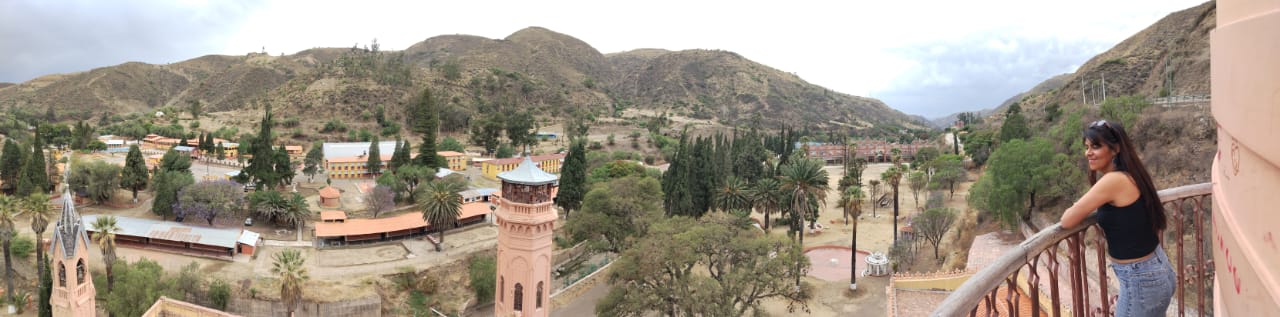
This place is like a balcony built above the city. With the two-bell-towered Iglesia de la Recoleta, its wide stone courtyard, the old fountain in the middle and its breathtaking view, it connects you to both the past and the present.
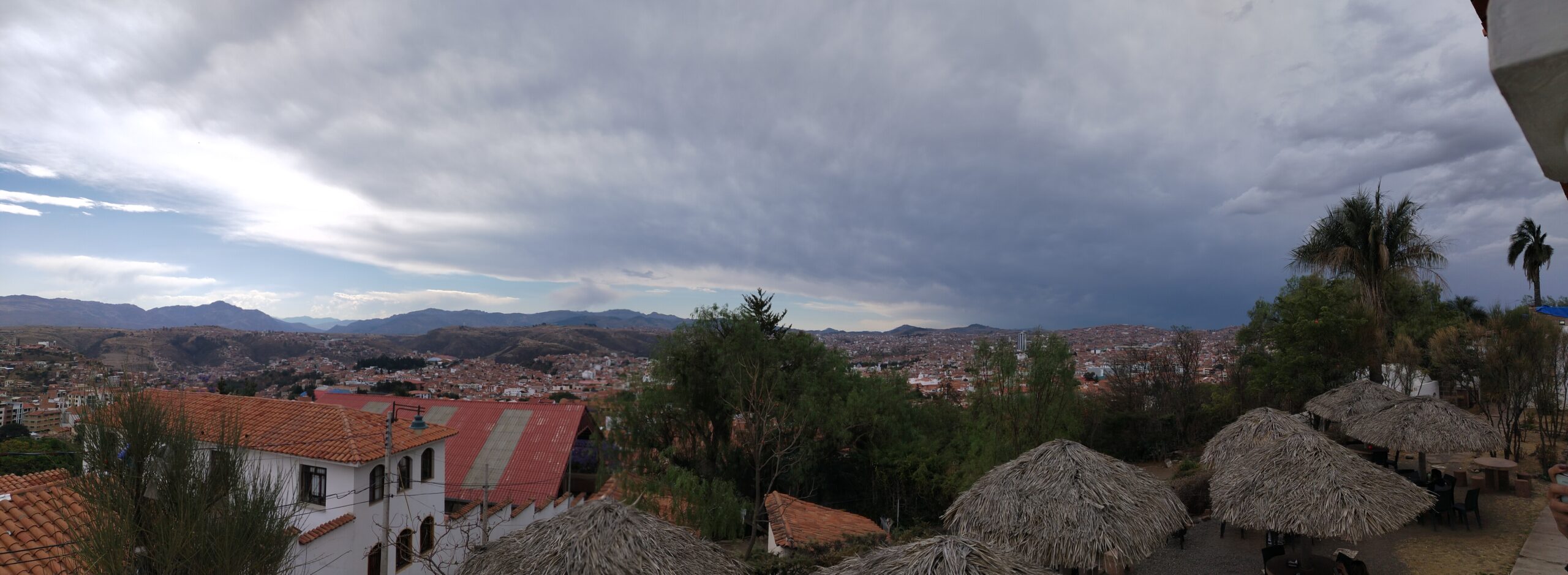
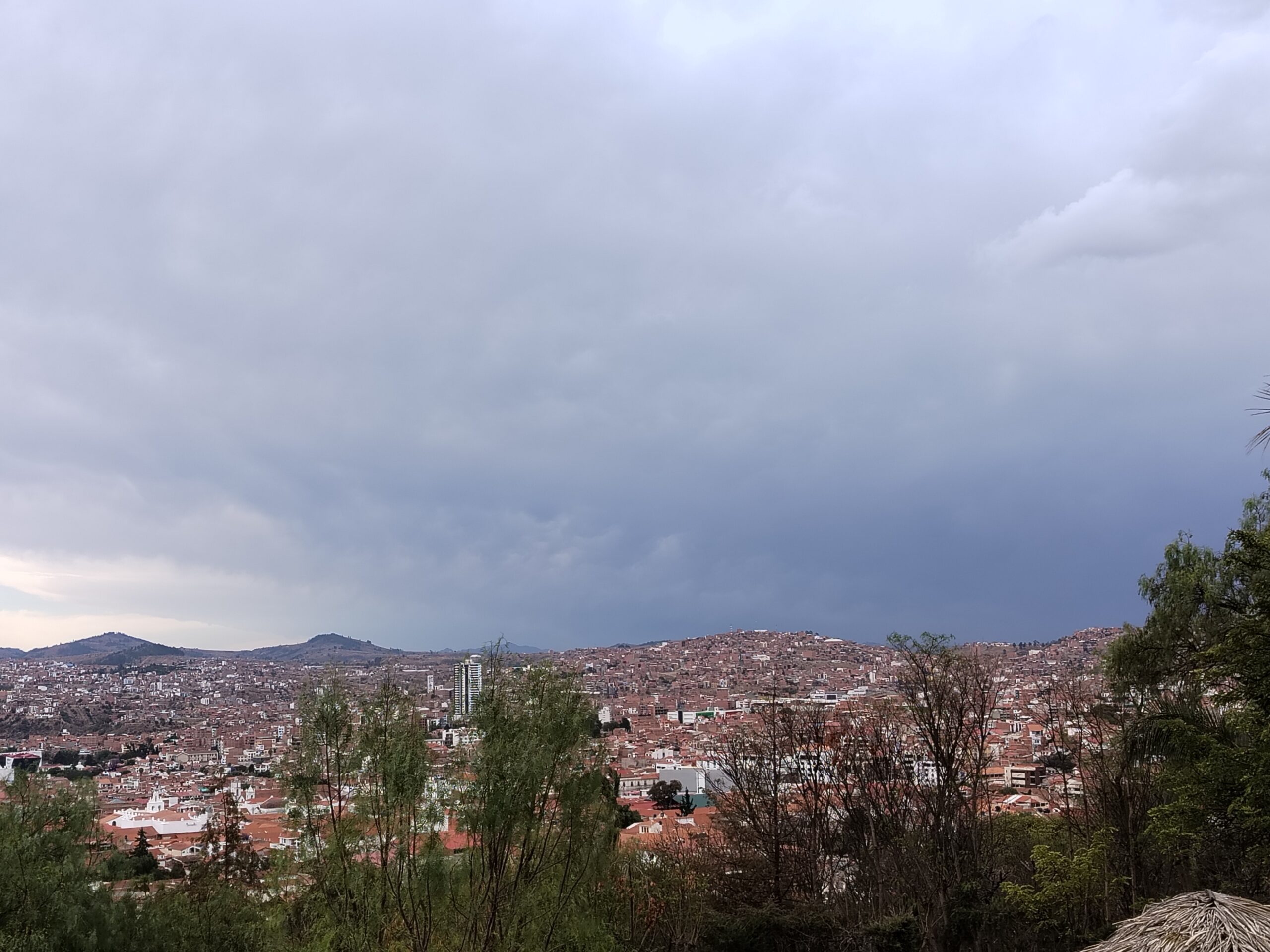
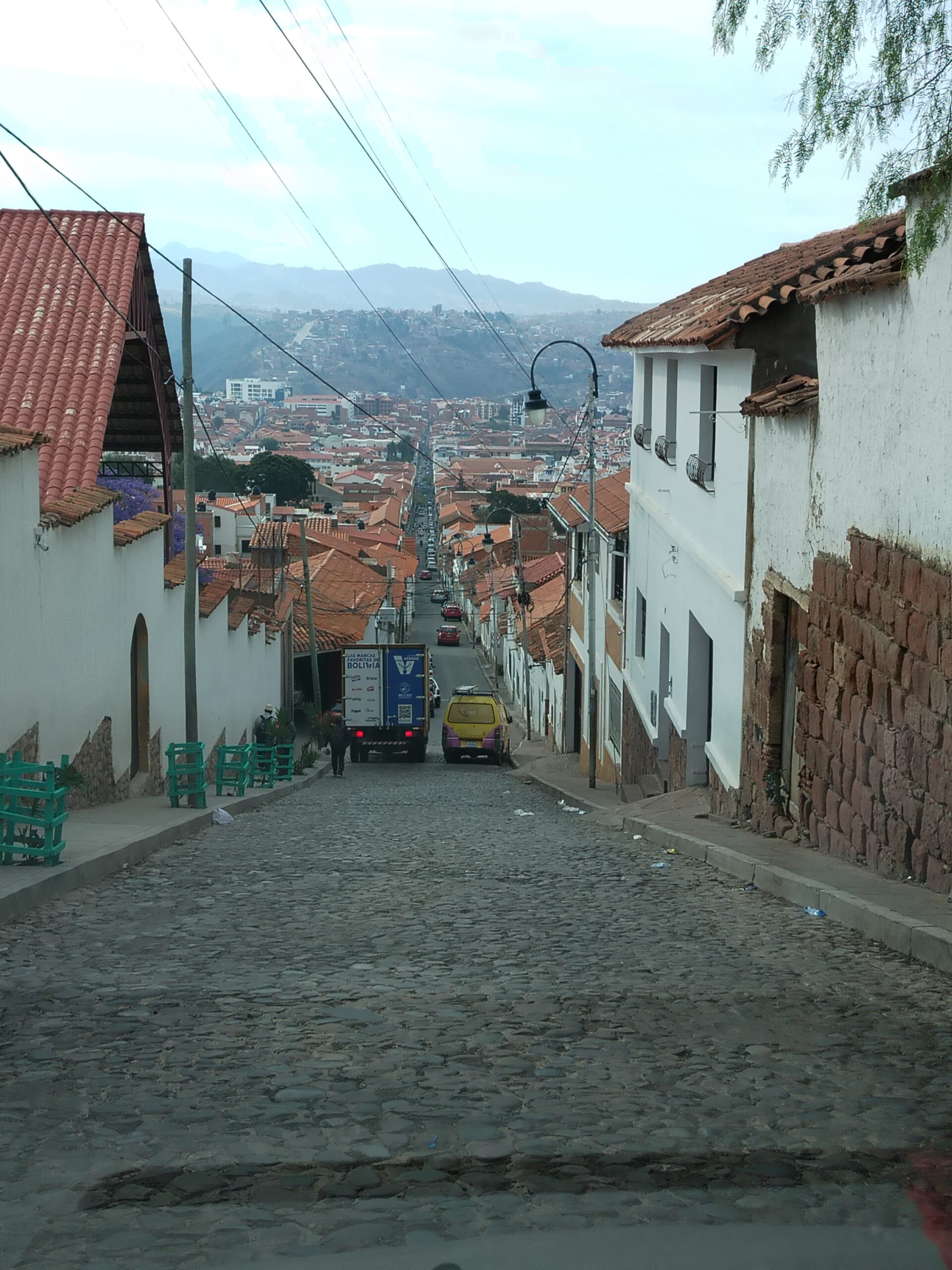
Sucre stretched below us. White houses. The harmony of red tiled roofs. Watching colonial architecture reach the present day almost untouched was deeply moving.
This city was not just a capital; it felt like a soul that had walked out of history into the present.
6. GETTING LOST IN THE HEART OF SUCRE: COLONIAL STREETS
As we descended from Recoleta toward the center, Sucre’s famous streets appeared before us. Whitewashed houses, black wrought-iron balconies, small doors, narrow stone roads.
These streets feel as if they have not changed since the 1800s. Every door carries a story, every balcony seems to hum an old song.
Walking in Sucre is like walking through history.
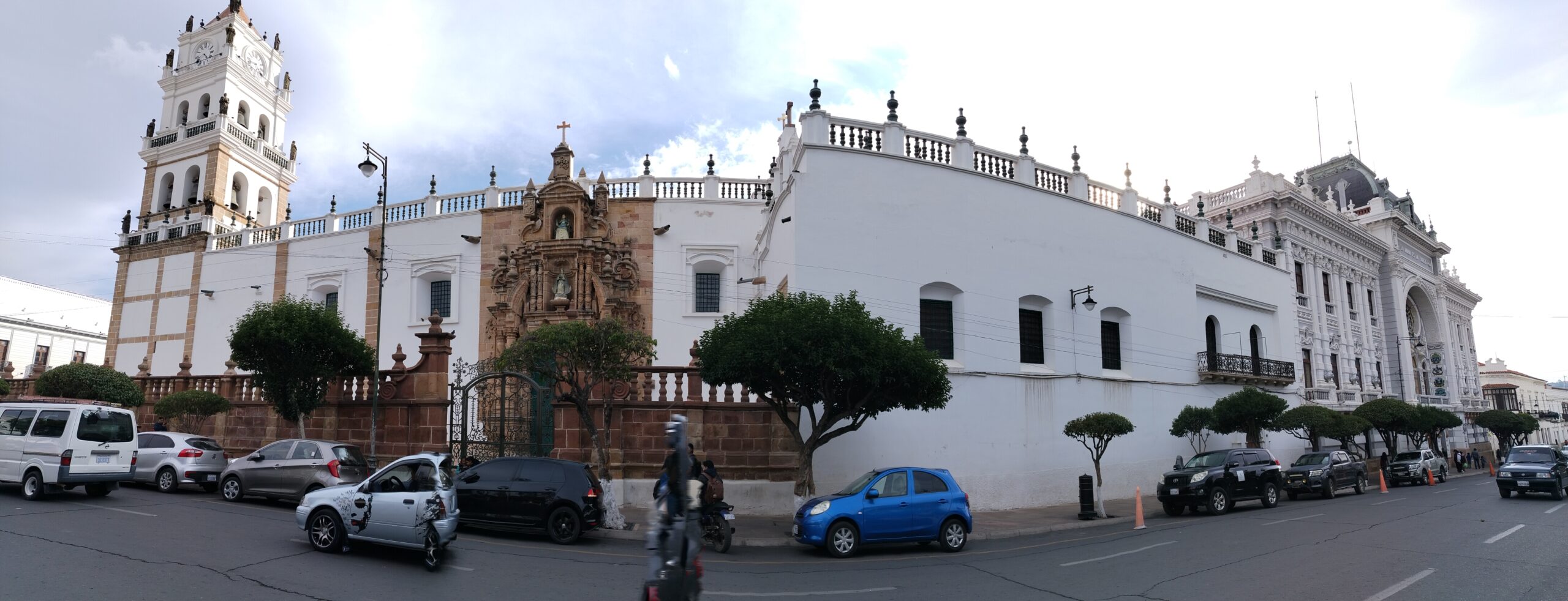
A wide panoramic view of Sucre’s historic center, famous for its white colonial buildings.
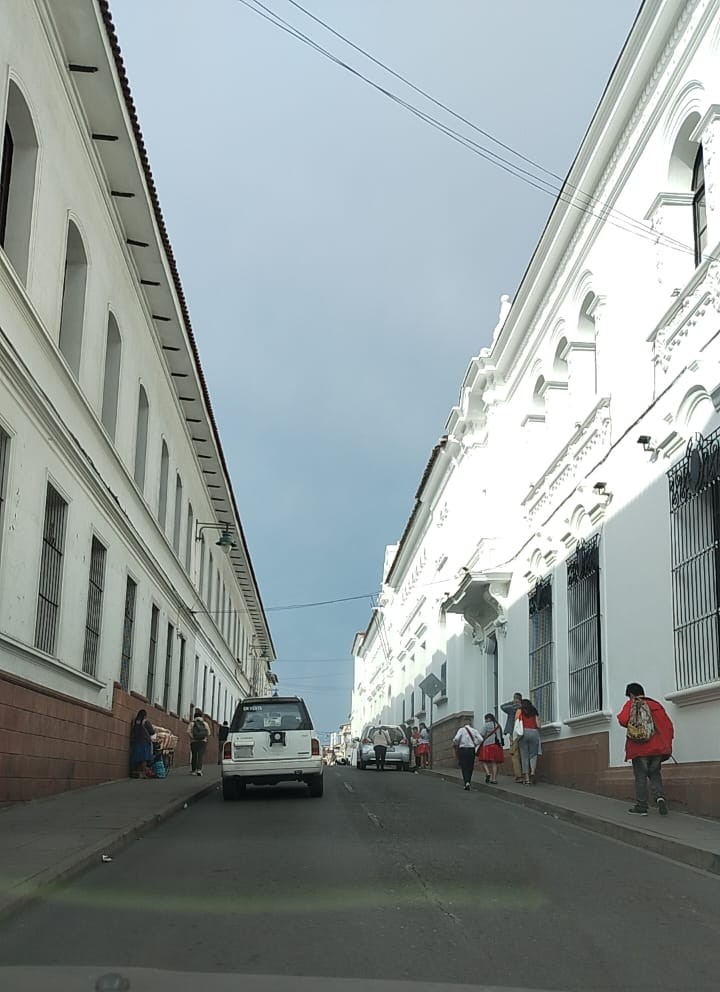
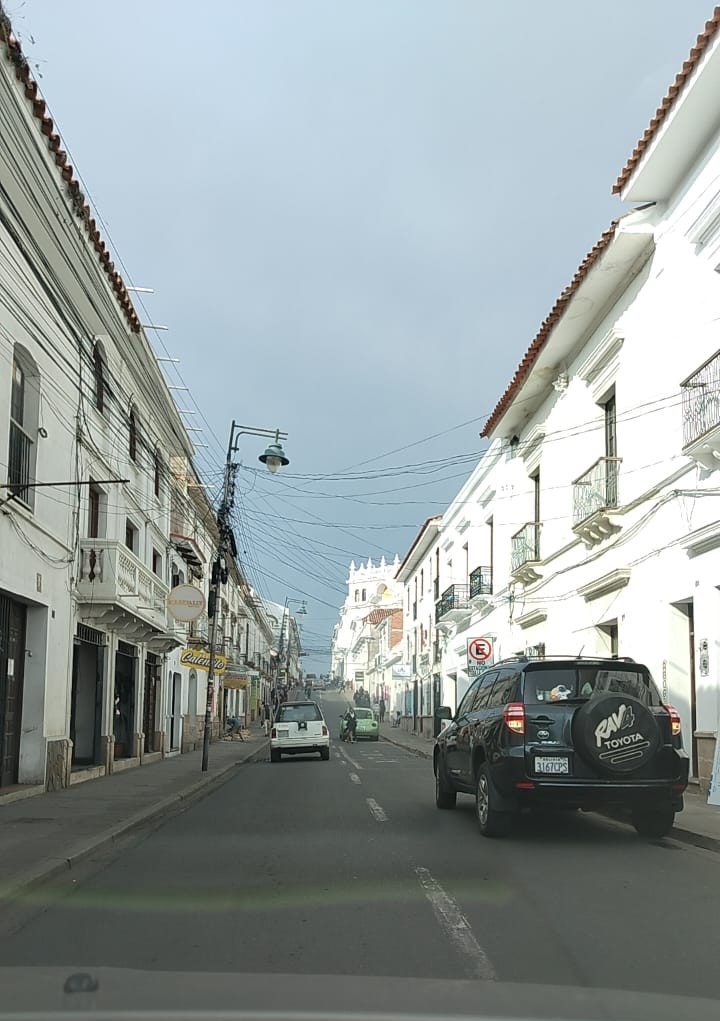
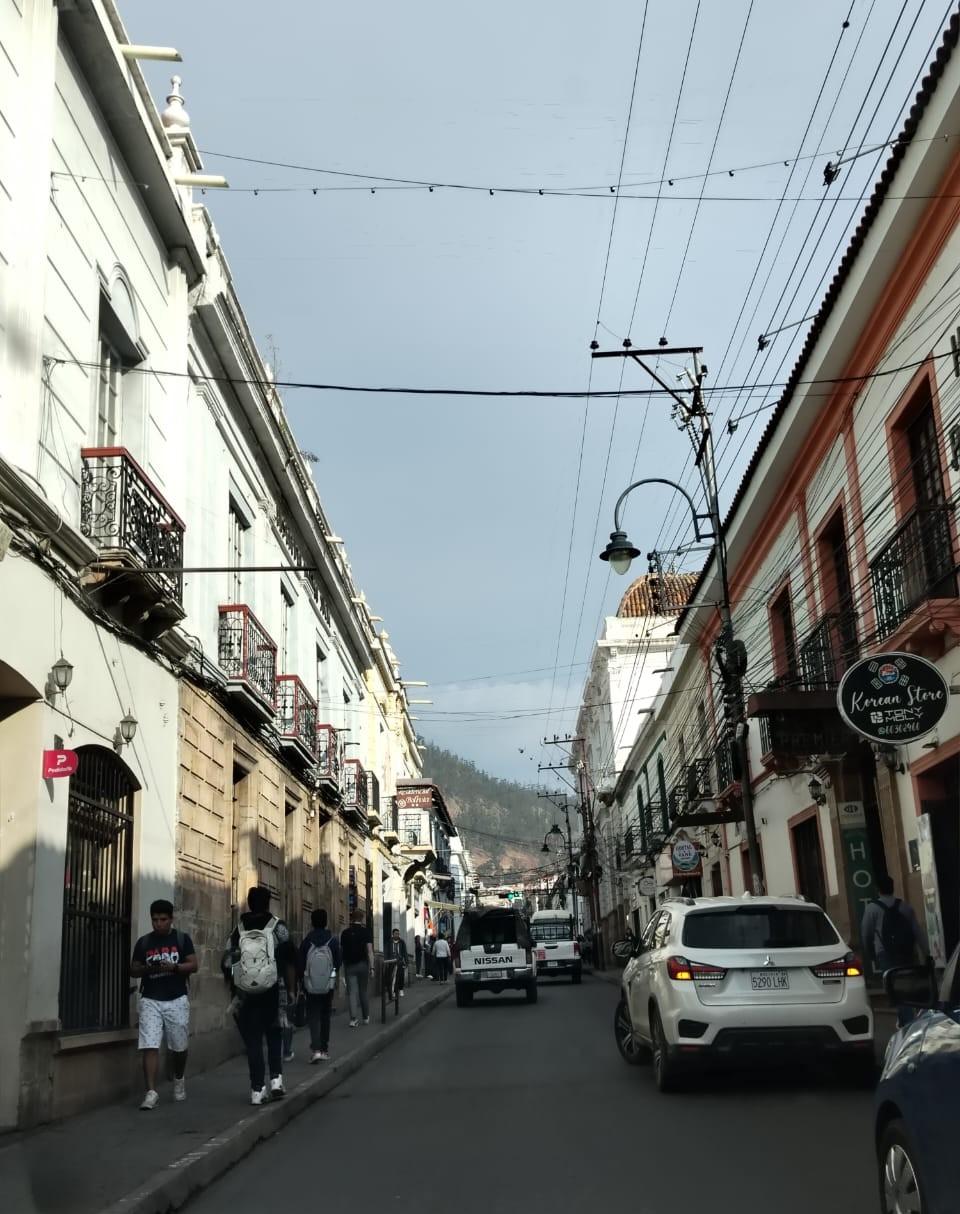
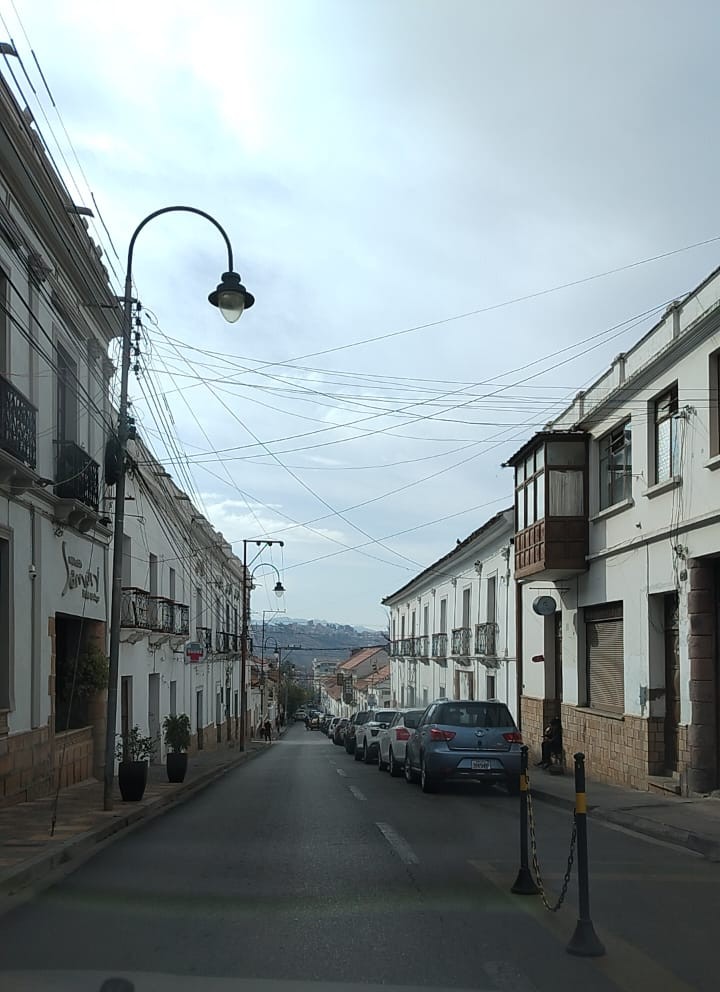
Streets reflecting Sucre’s colonial soul: white façades, iron balconies, stone roads and moments where Andean culture blends with daily life.
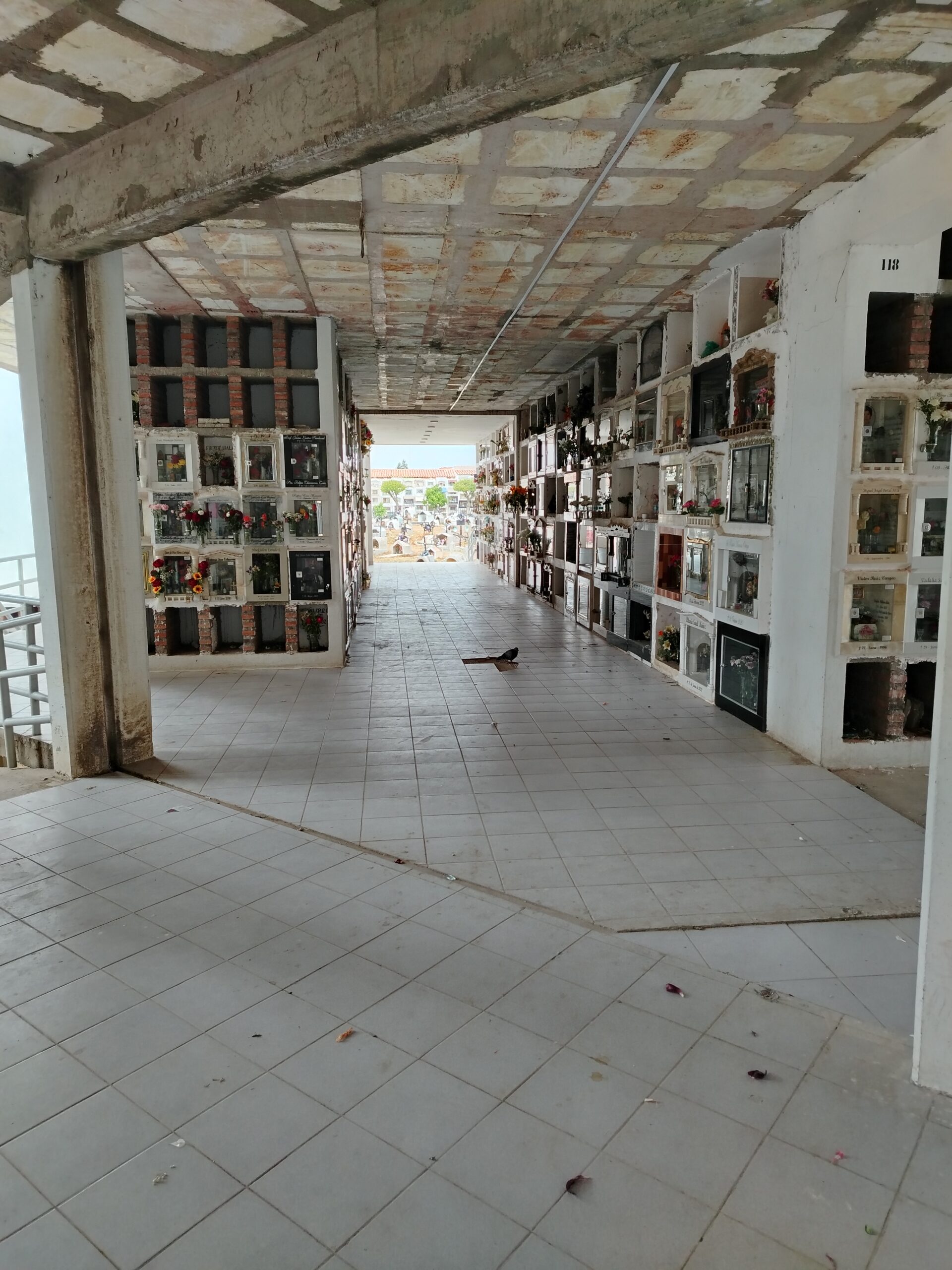
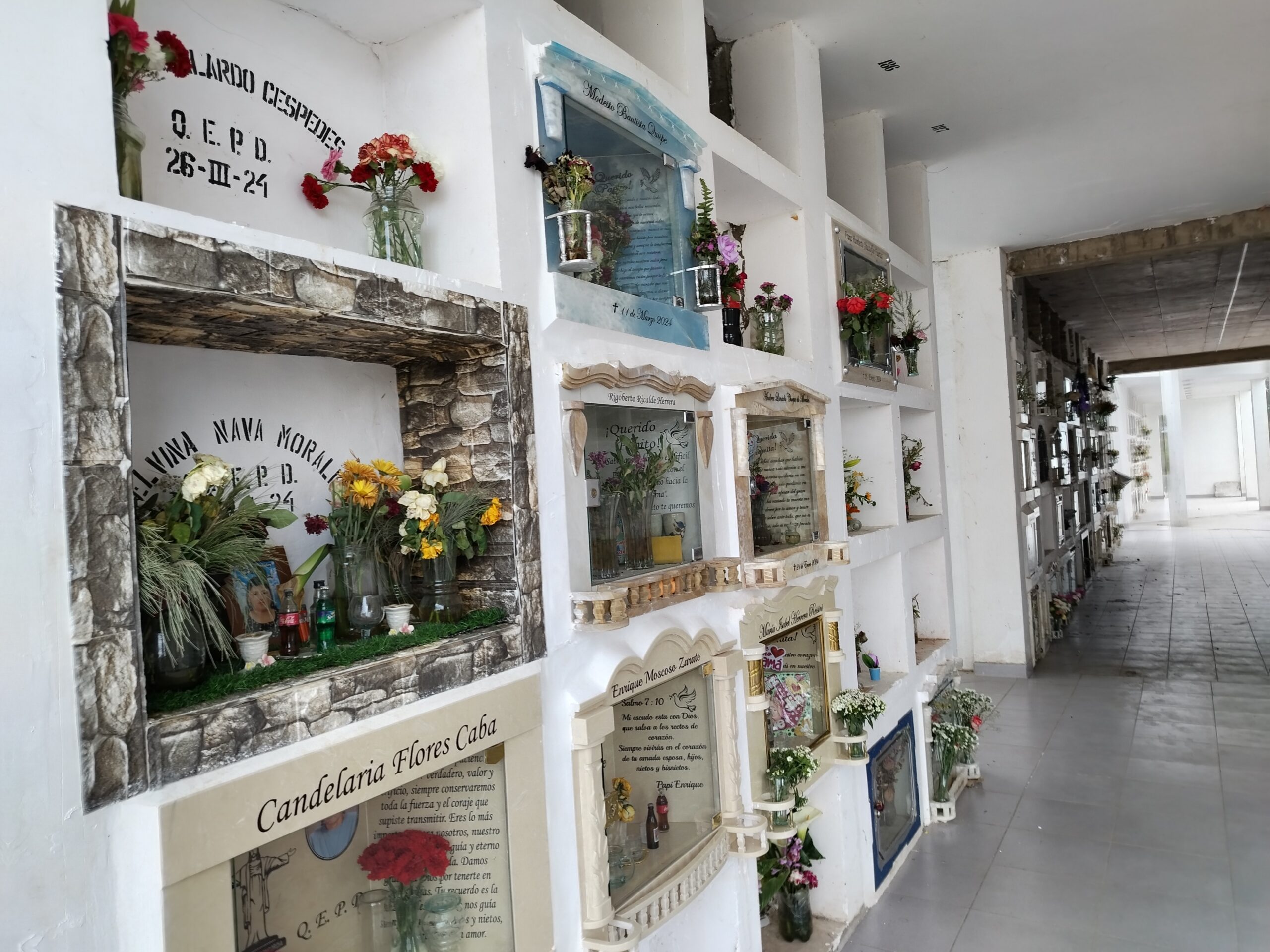
7. CEMENTERIO GENERAL: THE QUIETEST MOMENTS OF THE CITY
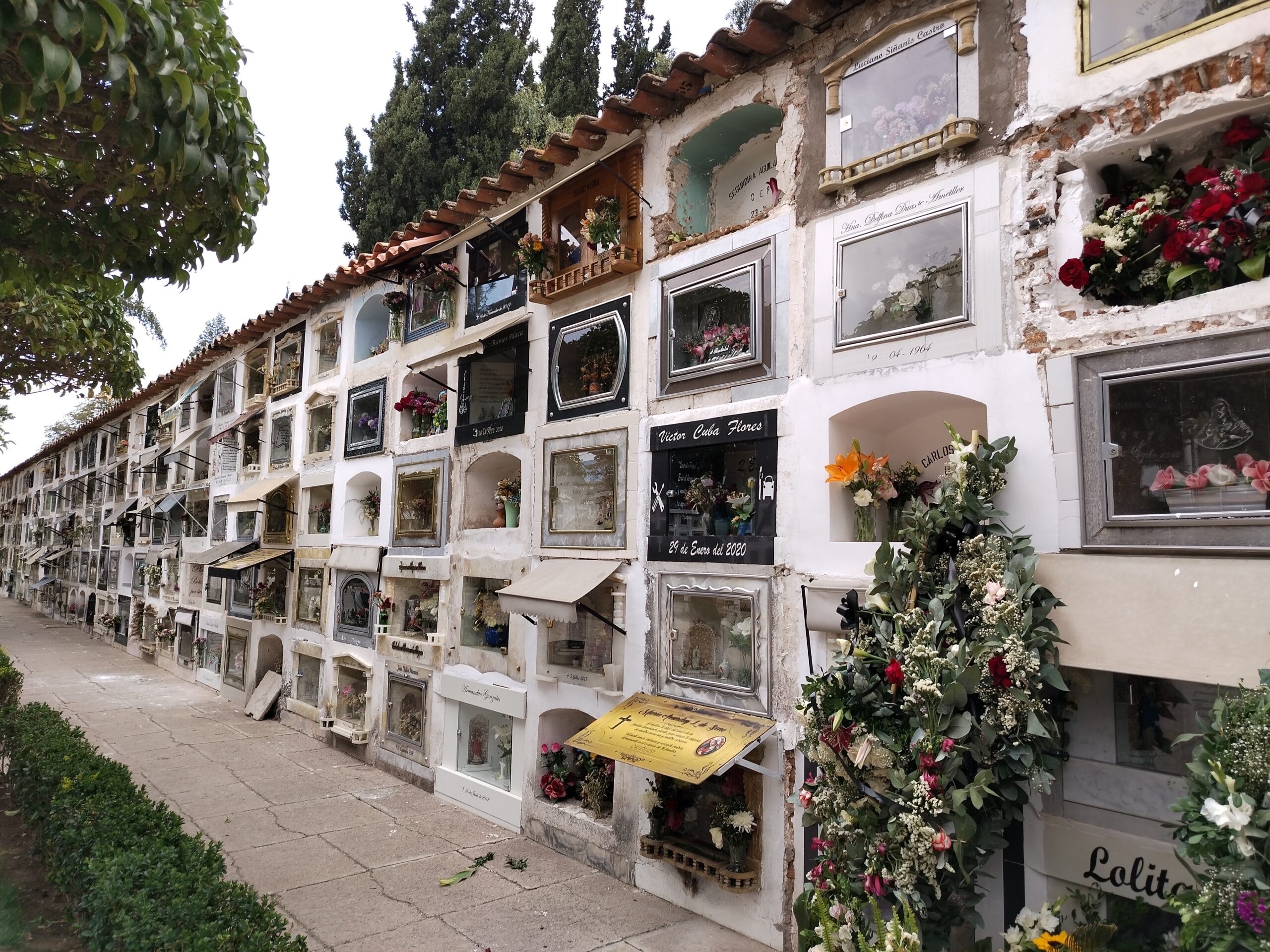
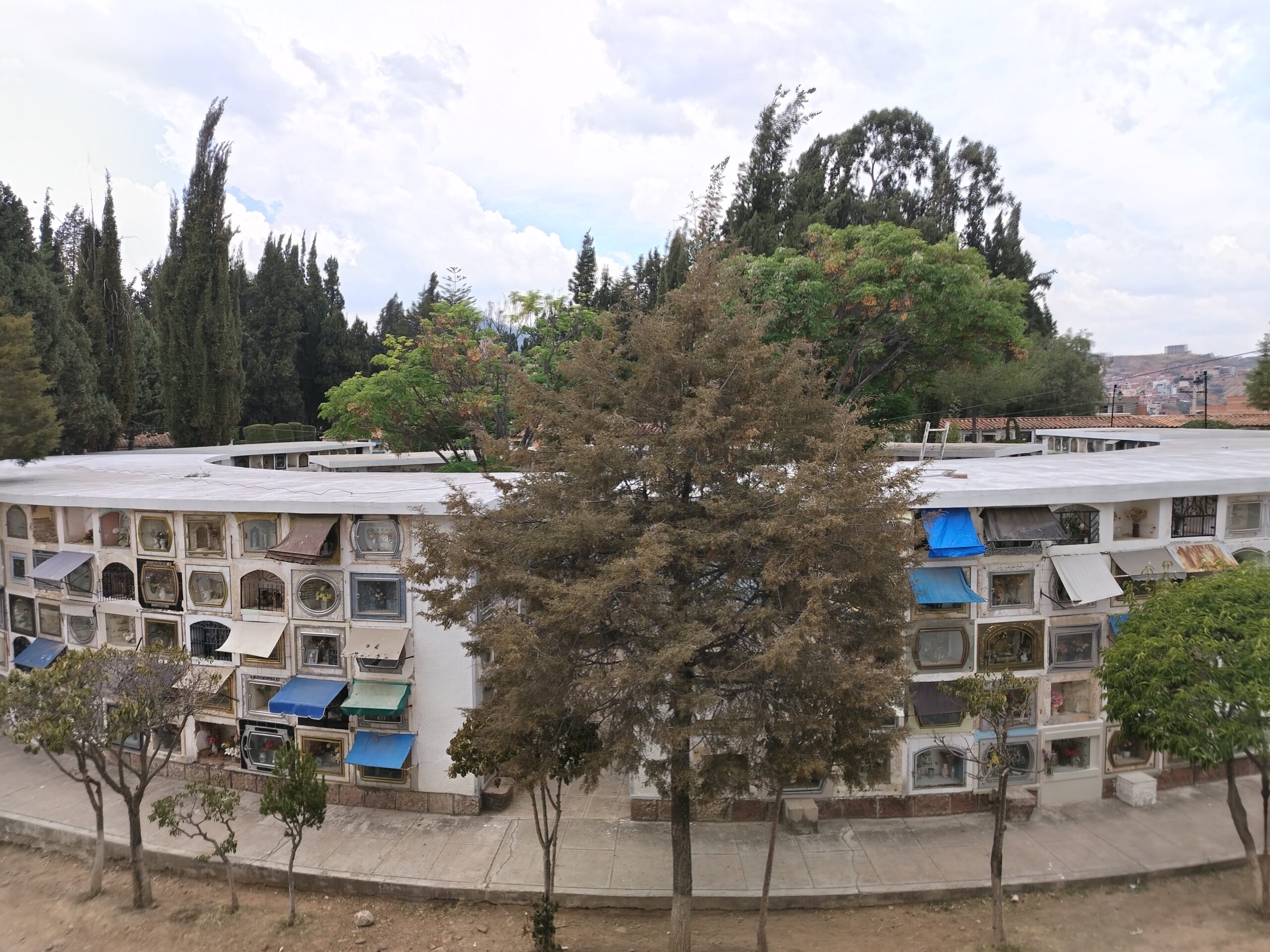
One of the most surprising places in the city was Cementerio General de Sucre, Sucre’s famous cemetery.
From the entrance, a different world begins.
Silence, weight and respect.
Three- and four-story burial walls.
The children’s cemetery.
Small windows decorated with flowers.
Sunlight bouncing off white walls.
This cemetery is a living heritage that shows how Bolivian culture sees the delicate bond between death and life.
8. CASTILLO DE LA GLORIETA: SUCRE’S PINK CASTLE FROM A FAIRY TALE
After walking through Sucre’s colonial streets and absorbing the spirit of the city, we turned our route toward a very different place just outside town:
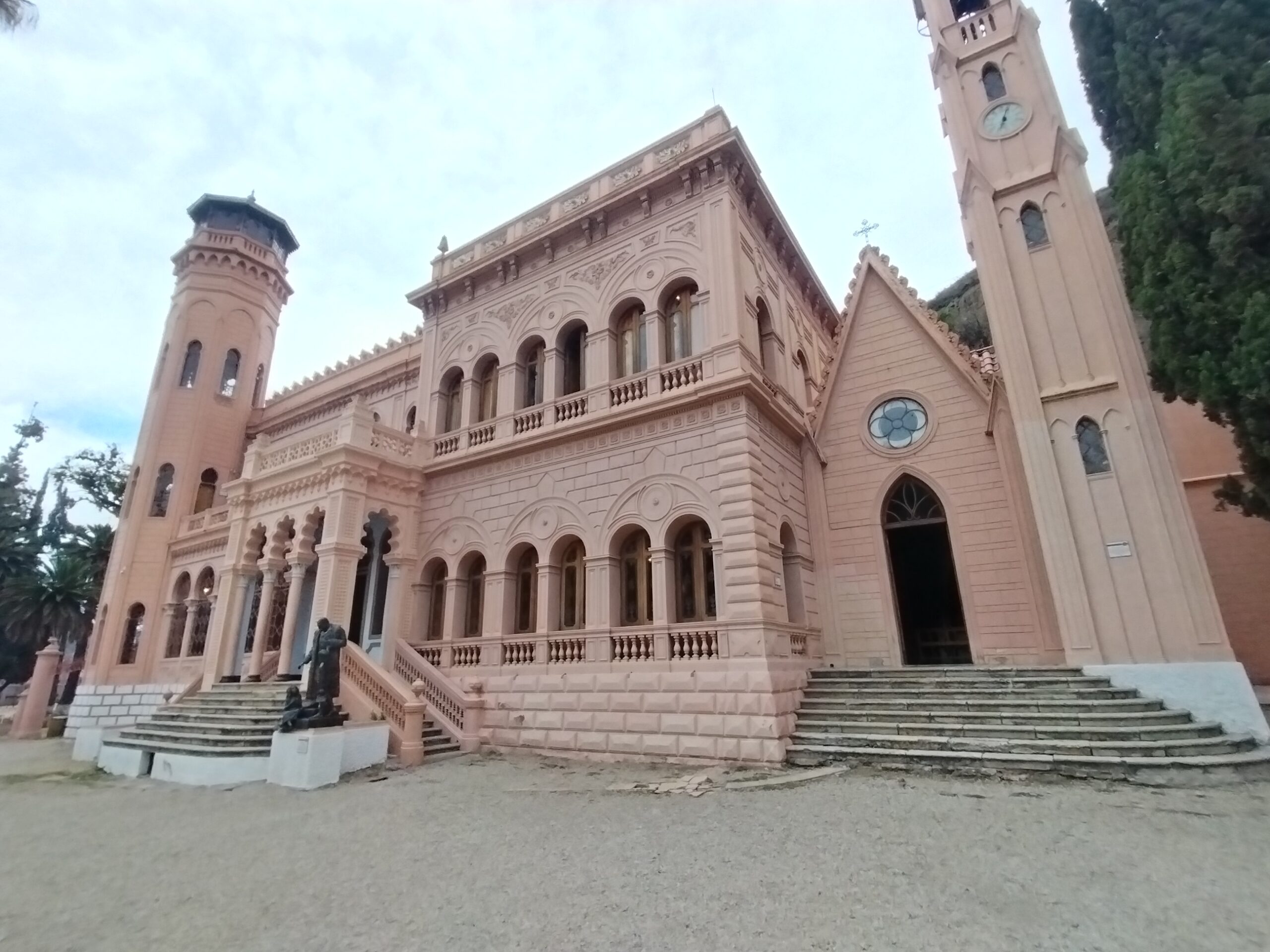
Castillo de la Glorieta.
This pink castle stands in the middle of Sucre’s white architecture like something from a fairy tale. It suddenly appears among the hills surrounding the city and leaves you astonished.
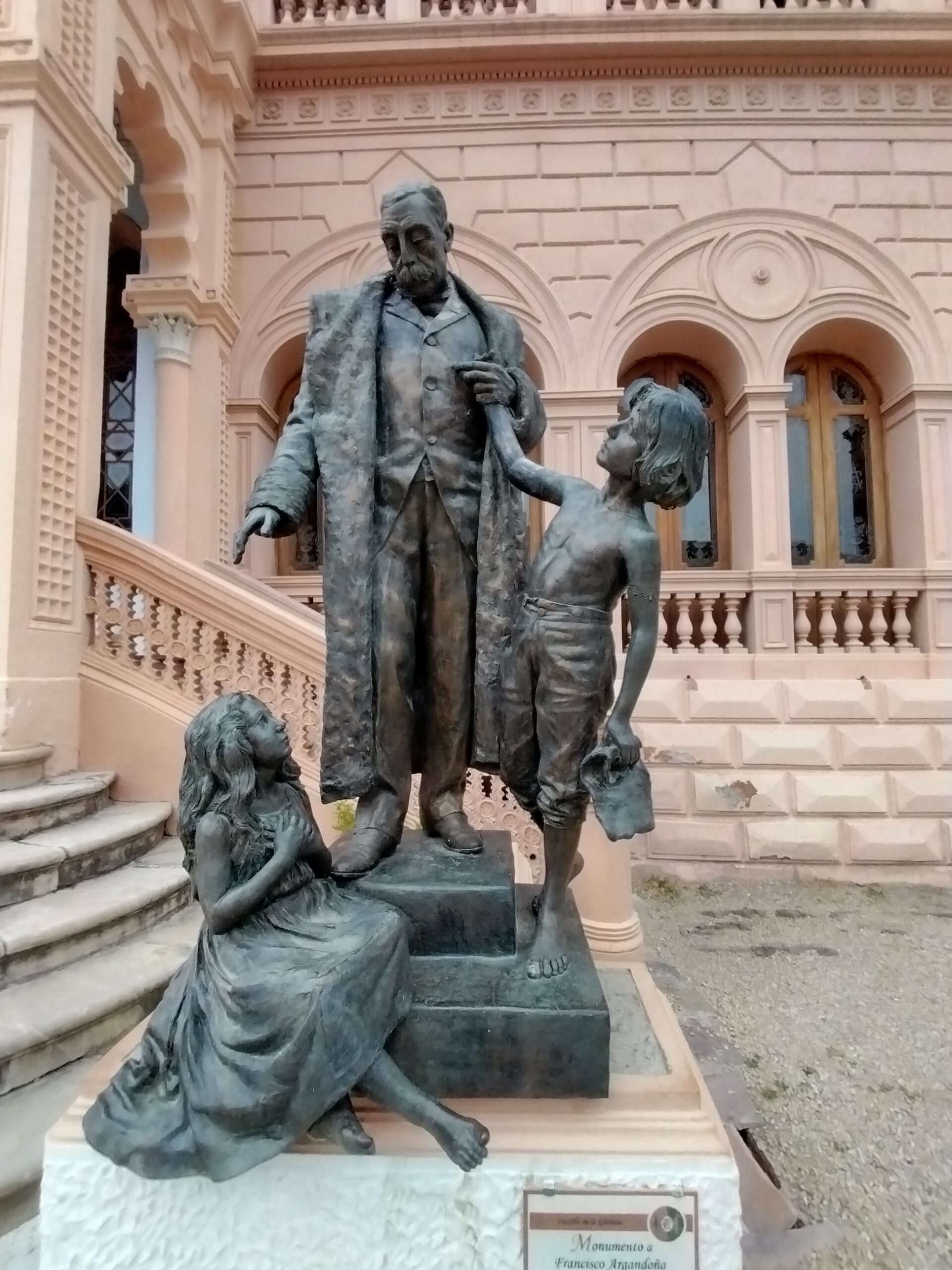
Castillo de la Glorieta was built at the end of the 19th century by a wealthy couple, Francisco Argandoña and Clotilde Urioste.
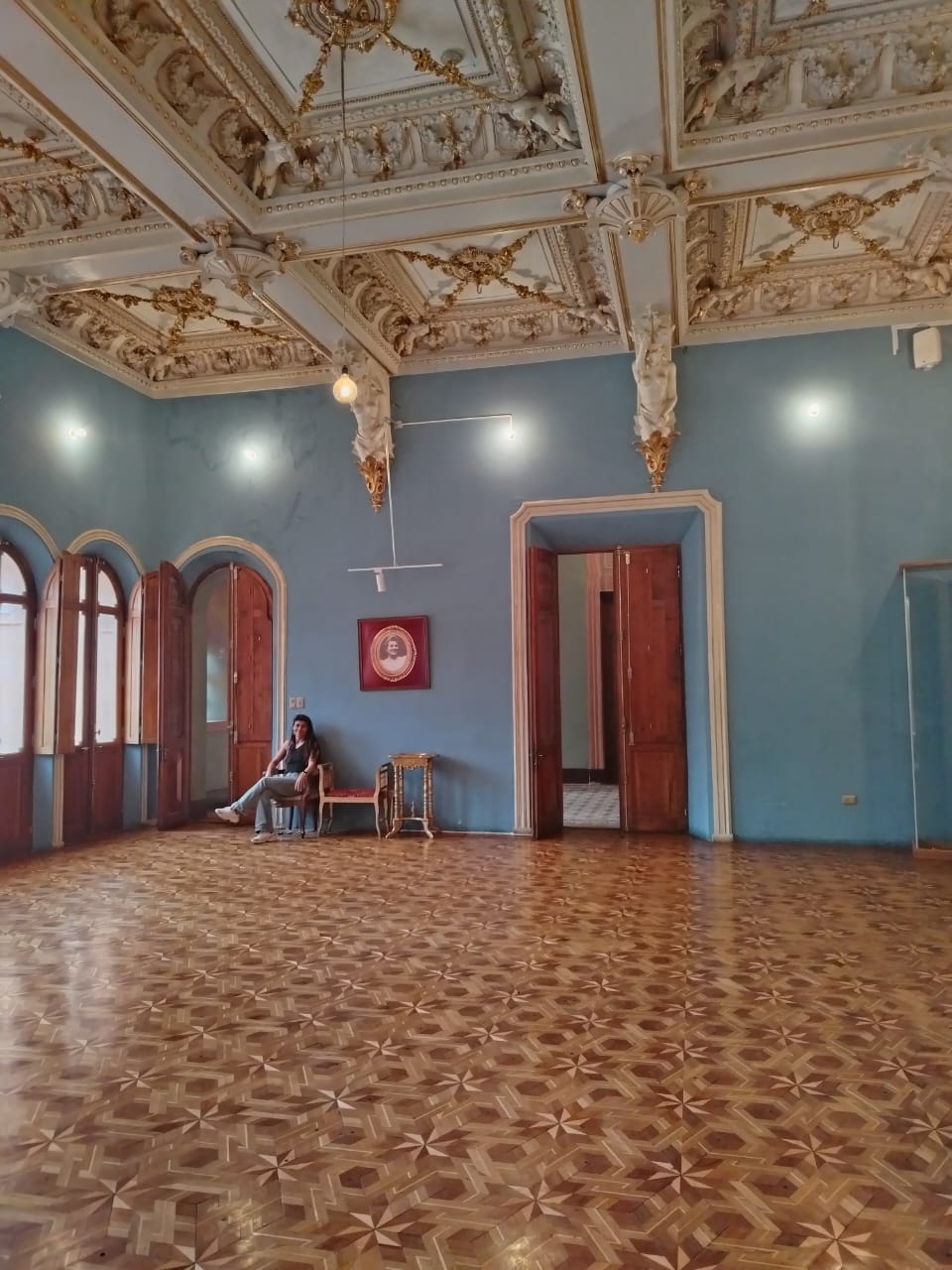
Both were among the most powerful figures of the Bolivian aristocracy, and the couple wanted a home worthy of them. Inspired by European palaces, they had this castle designed. For this reason, the castle does not belong to a single architectural style; it brings many styles together.
Walking through the courtyard of the castle feels like traveling through time.
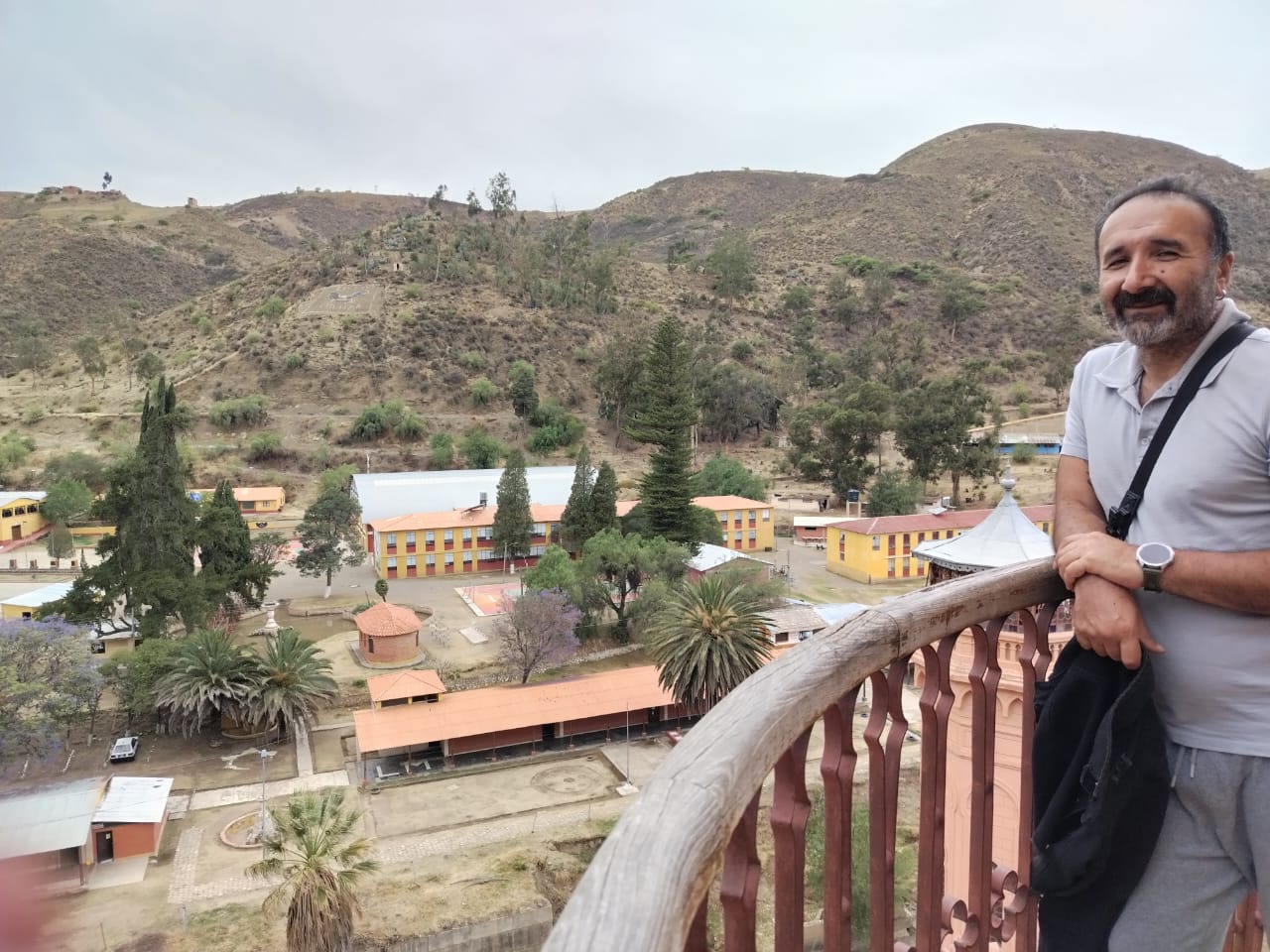
The pink color of the walls shines even more under the sun, and the texture of the stones whispers the voice of an old world. In one corner, a steep tower reaches toward the sky.
In another corner, a rounded structure completes the elegance of the castle. In the background, Bolivia’s mountains rise and surround all the magic of the place.
Castillo de la Glorieta is not just an architectural structure: it is a dream frozen in time.
9. CAL ORCK’O: FOLLOWING THE FOOTPRINTS OF DINOSAURS
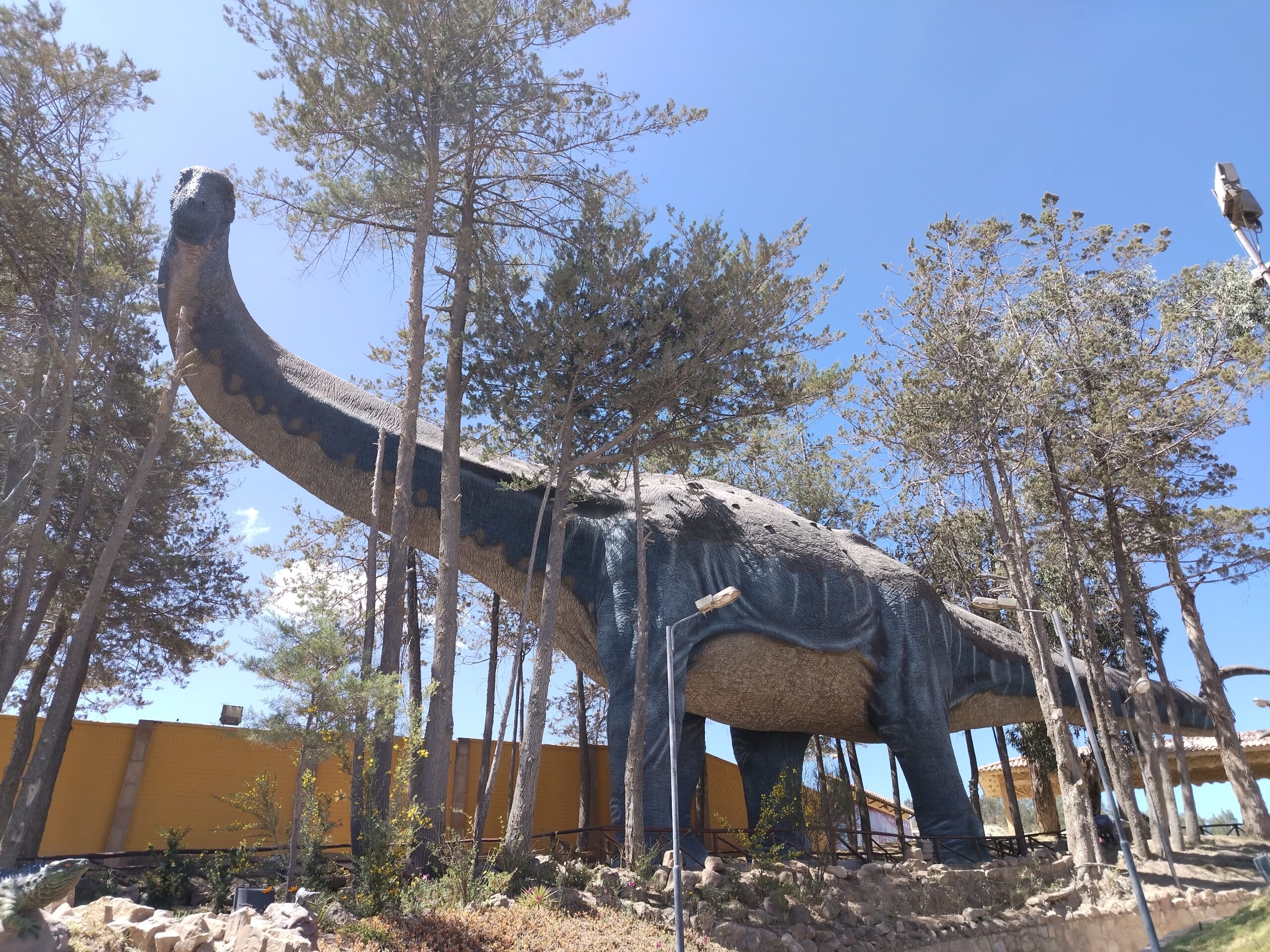
The next day, we went to the most exciting place outside the city: Parque Cretácico de Sucre, the famous Dinosaur Park.
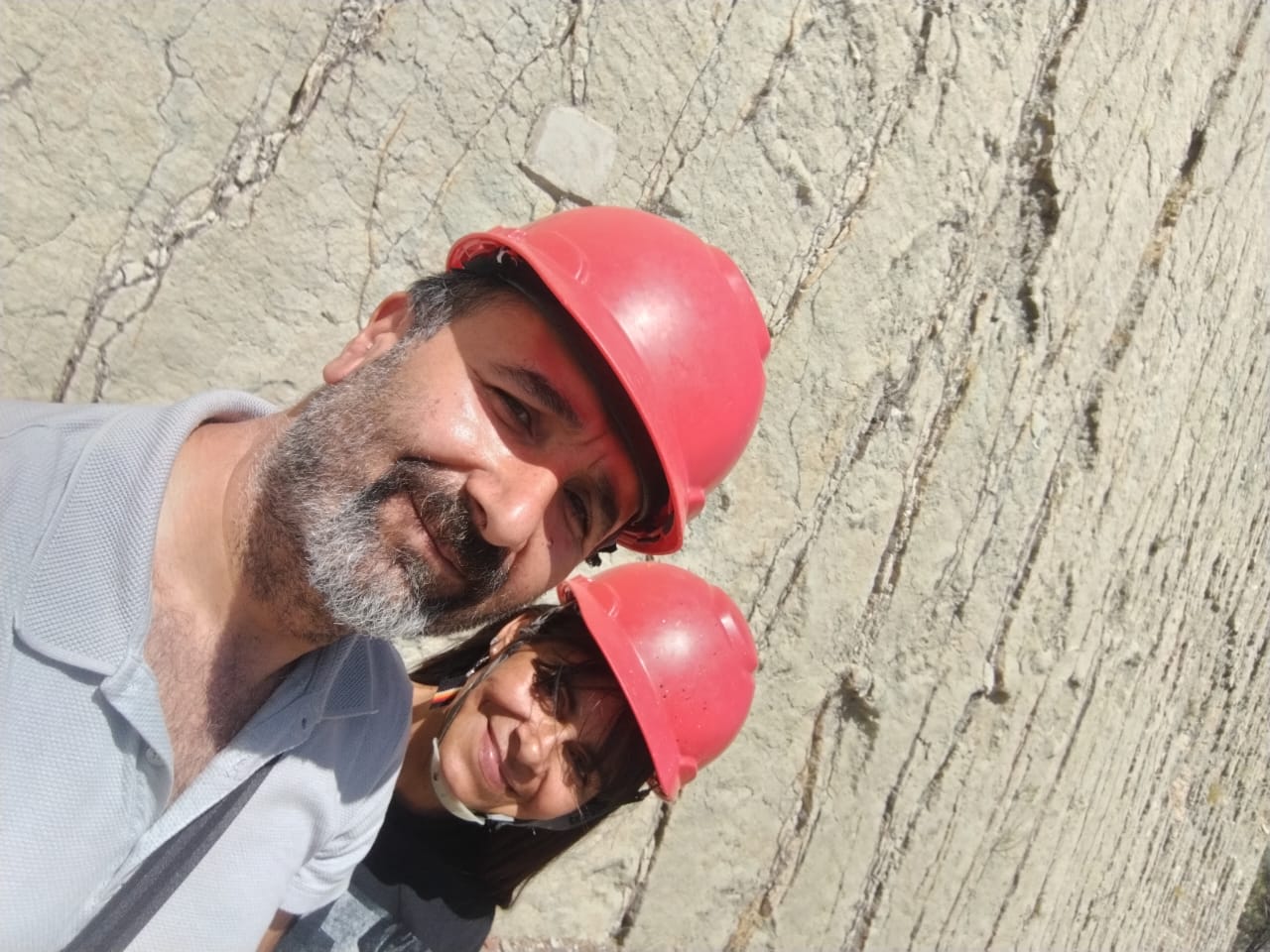
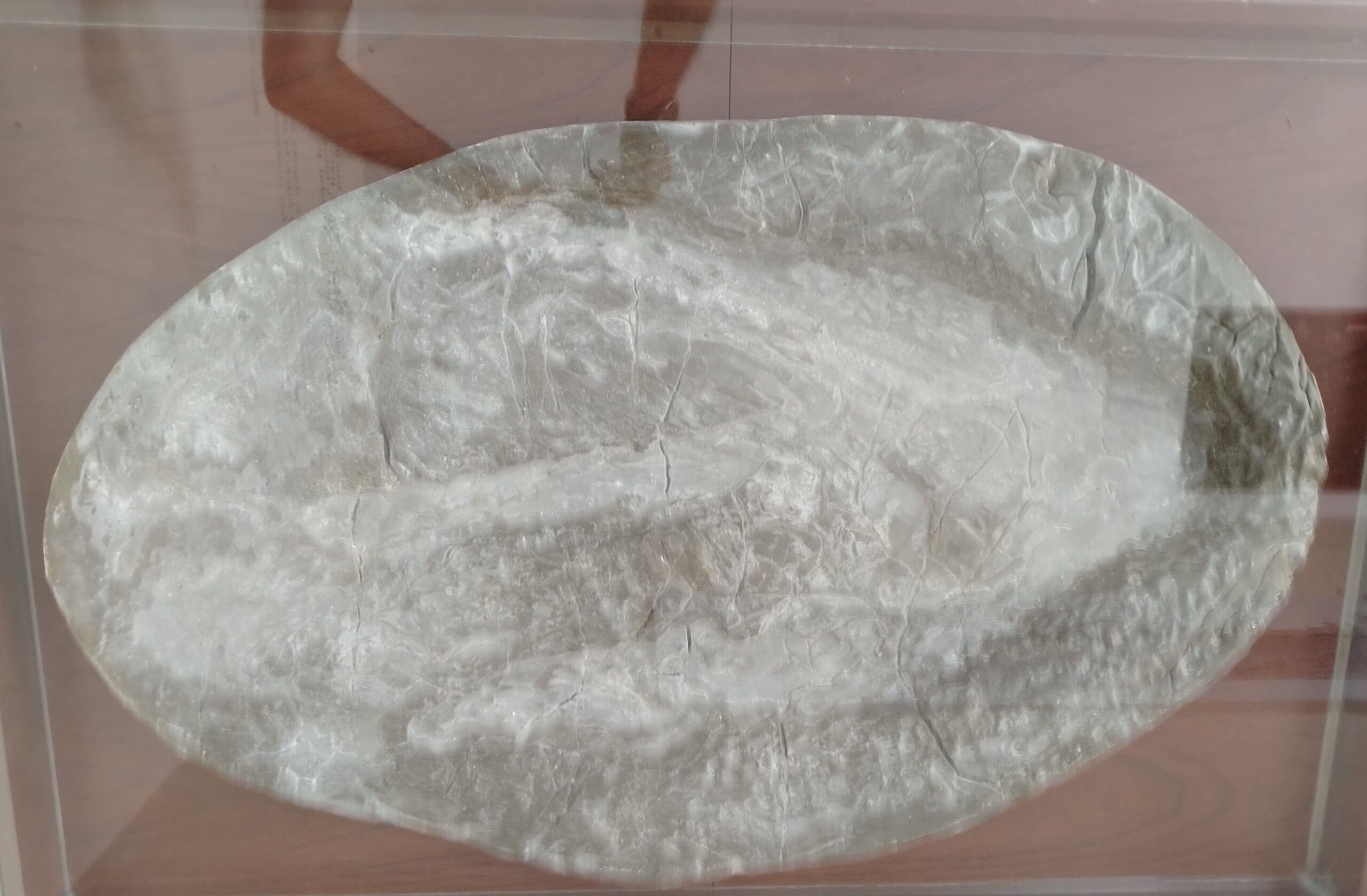
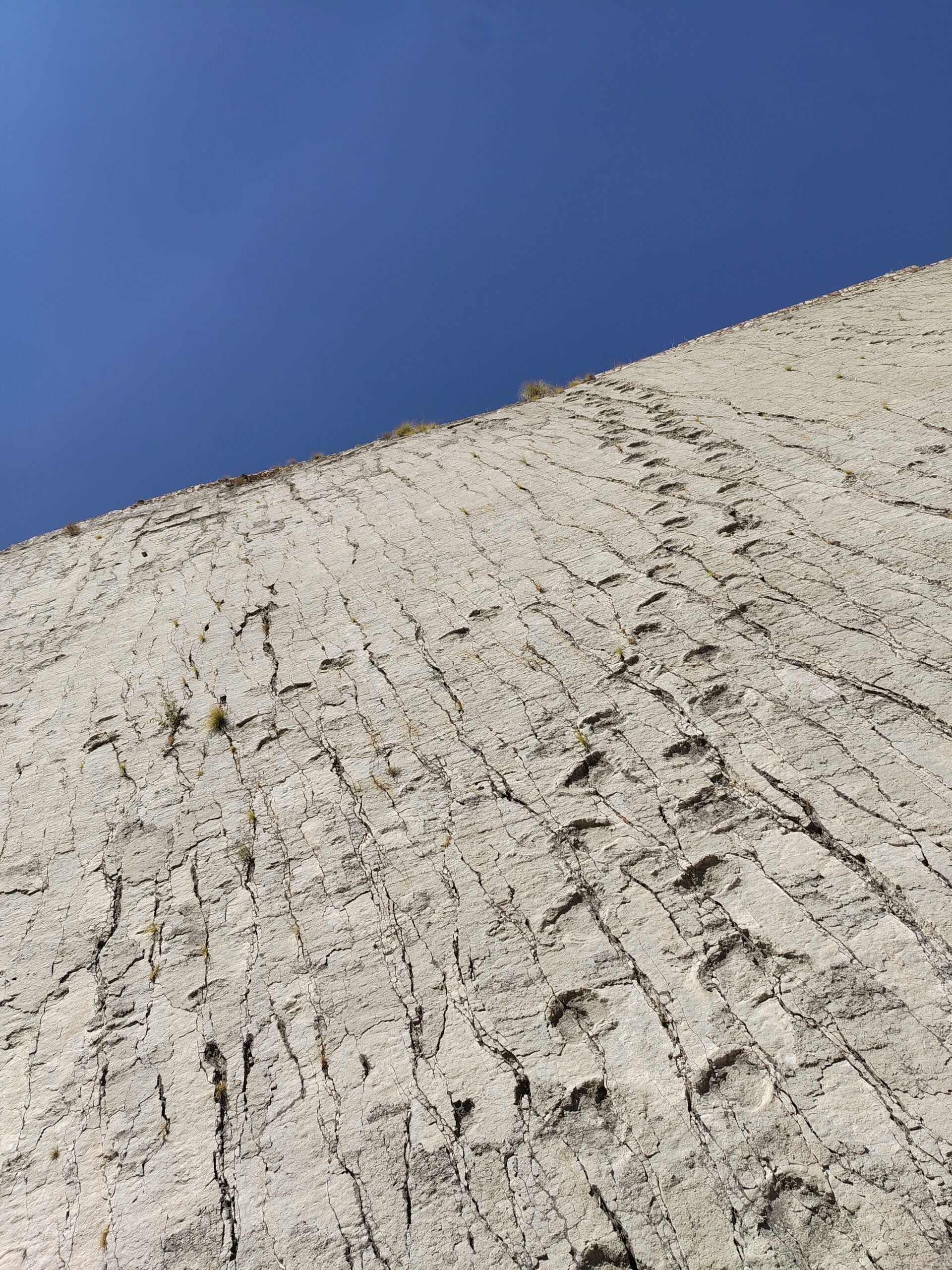
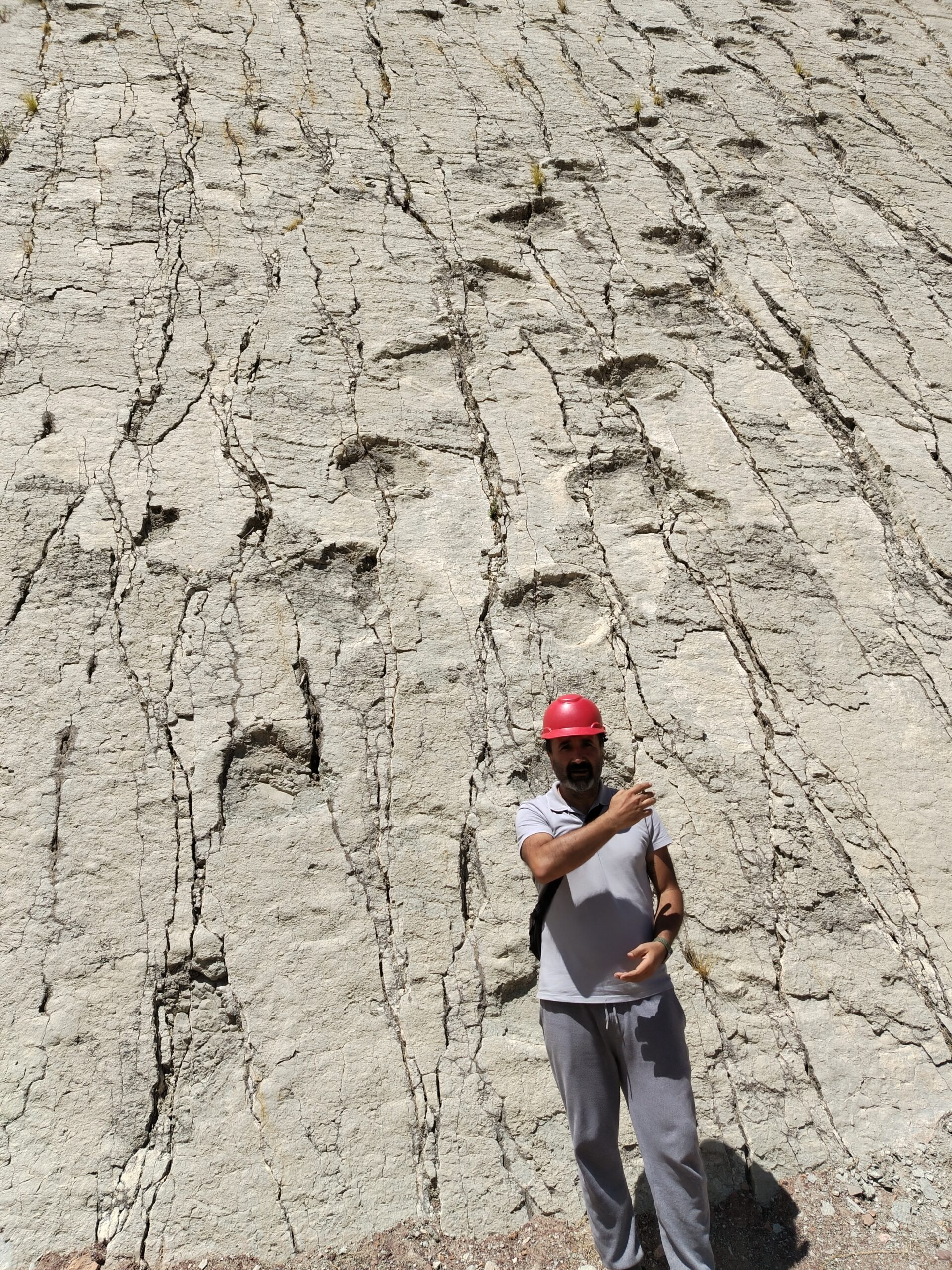
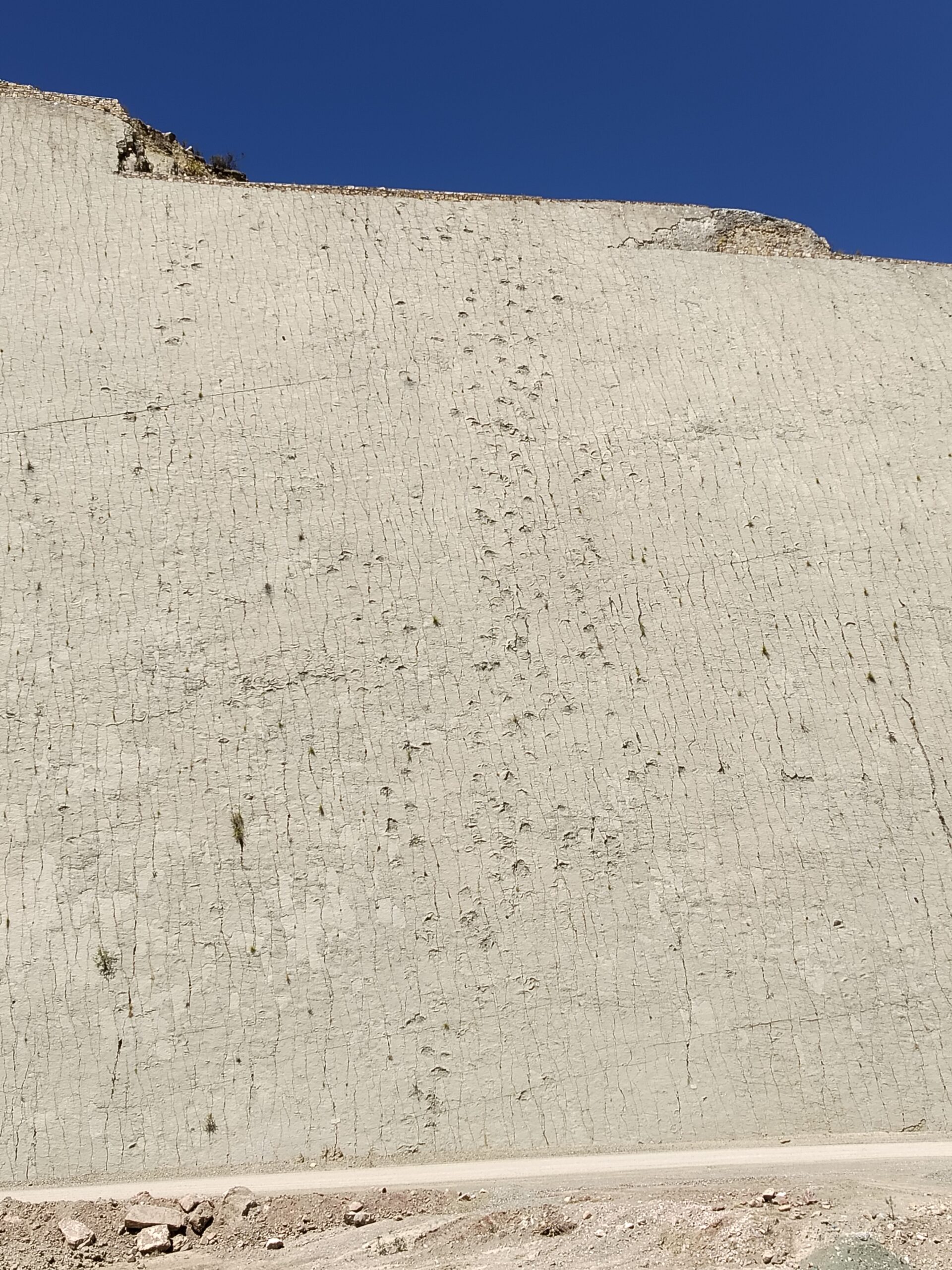
Here you can find the largest dinosaur footprint wall in the world. On the giant rock surface called Cal Orck’o, hundreds of dinosaur tracks have survived from millions of years ago to the present day.
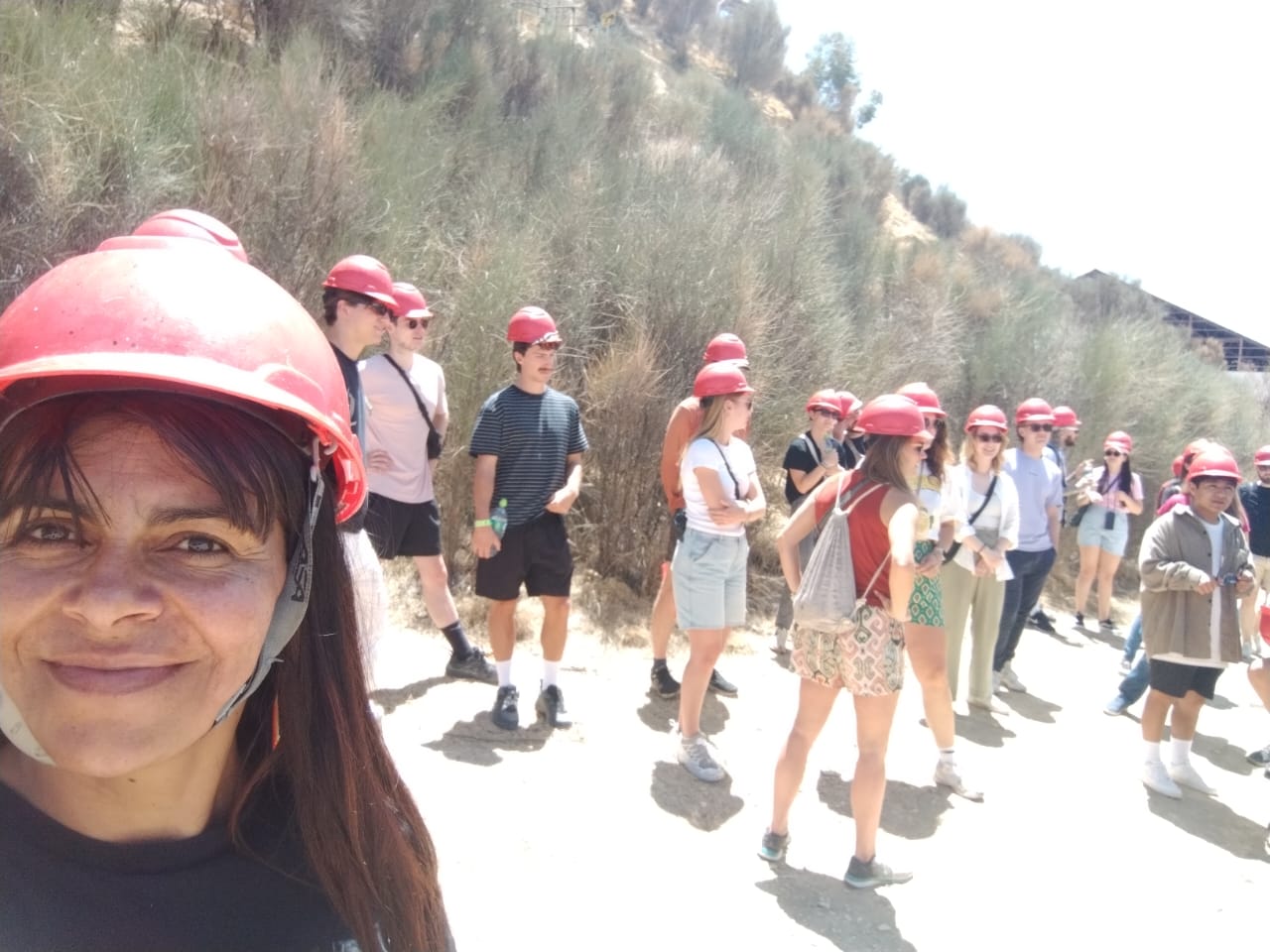
Visitors were taken inside in groups. We also joined the line, and when our tour time came, we entered with the other travelers. Walking among dinosaur sculptures, rocky paths and fossil surfaces was an incredible experience.
High in the Andes, walking beside the traces of a world that existed millions of years ago.
It was one of the most unforgettable moments of this journey.
FINAL WORD — A FAIRY TALE THROUGH THE HEART OF SOUTH AMERICA
This journey from Paraguay’s simple border to the white walls of Sucre
was more than a route; it was a state of mind.
The heat of Villa Montes,
the colors of Tarabuco,
Sucre’s colonial elegance,
the view from Recoleta,
the silence of the cemetery,
our fairy-tale walk among the pink walls of Castillo de la Glorieta,
the timeless world of the Dinosaur Park.
When all of these came together, they made us feel the magical atmosphere of South America once again.
This road was not just a trip.
It became a story where two people grew, learned and discovered together.
If you would like to see all our adventures, you can also explore our Blog section.
For more information about Sucre:
Sucre – Wikipedia