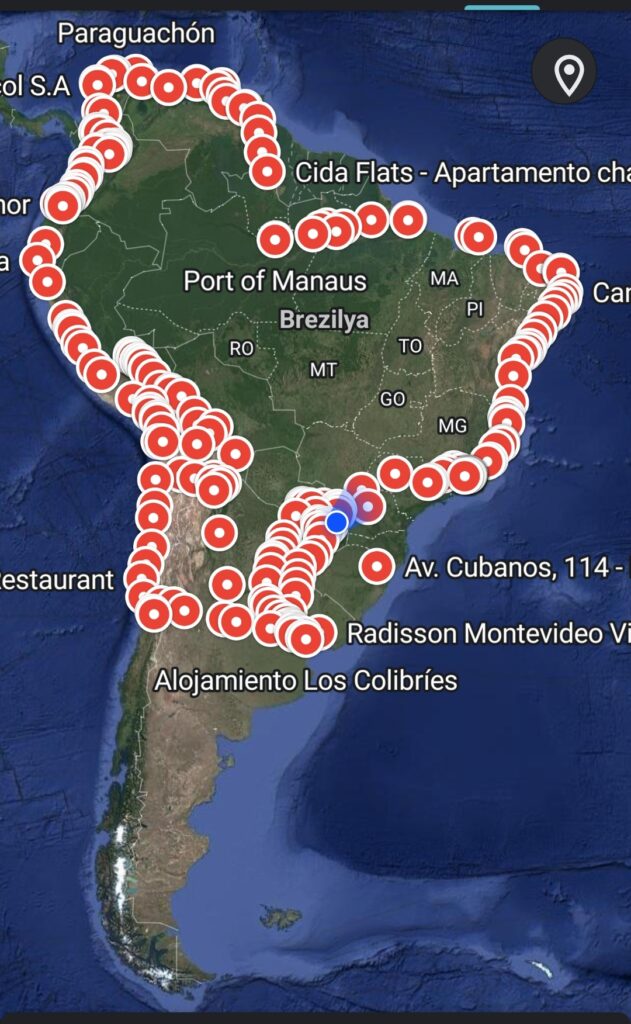

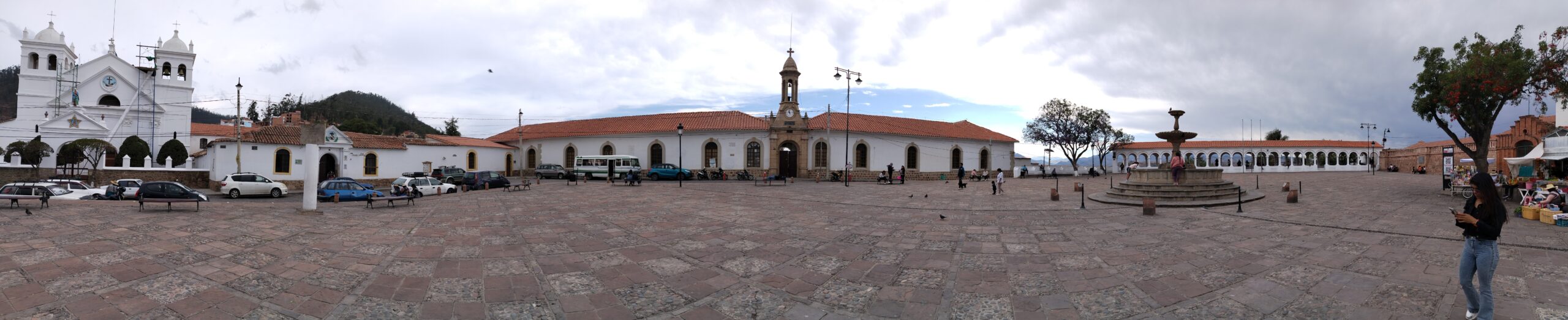
Sucre is one of the most elegant cities in Bolivia. Its white colonial buildings, orderly streets, quiet squares and historic atmosphere make it a special stop on any South America route. When people think of Bolivia, they often imagine the high intensity of La Paz, the endless white landscape of Uyuni or the harsh beauty of the Andes. But Sucre shows a softer, calmer and more graceful side of the country.
Sucre is not just a pretty city. It is Bolivia’s constitutional capital, an important place in the country’s independence history and a historic city listed as a UNESCO World Heritage Site. This guide was prepared to help you plan Sucre with more context, from history and architecture to accommodation, transport, safety and nearby trips.
To understand the spirit of our South America journey, you can visit our home page. To learn more about us, read our About Us page. For more stories and guides, visit our English blog.

Image: Wikimedia Commons.
Contents
- Sucre overview
- History and importance of Sucre
- Why Sucre is a World Heritage city
- How to get to Sucre
- Transport inside Sucre
- Where to stay
- Things to see in Sucre
- Museums and cultural places
- Things to see near Sucre
- What to eat in Sucre
- Shopping and local markets
- Safety and health
- When to go
- How many days to spend in Sucre
- Practical information
- Final notes
Sucre overview
Sucre is located in south-central Bolivia and is considered the constitutional capital of the country. Although La Paz functions as the seat of government, Sucre holds a special place in Bolivia’s legal and historical memory.
The city was also known as Chuquisaca. During the colonial period, it became an important center of education, religion, administration and justice. Today, you can still see this past in its squares, churches, university buildings, courtyard houses and whitewashed streets.
One of the best things about Sucre is that it is easy to explore on foot. From Plaza 25 de Mayo, you can reach museums, churches, viewpoints and quiet streets without long transfers.
History and importance of Sucre
Sucre played a central role in Bolivia’s independence process. During the colonial period, the region of Charcas was a major political, religious and academic center. This intellectual and administrative tradition influenced the movements that would later shape the country.
Casa de la Libertad is one of the key places to understand this history. It is directly connected with independence and the construction of Bolivia’s national identity. For this reason, Sucre should not be seen only as a beautiful colonial city, but as a crucial place for understanding Bolivia’s origins.
The city also has a strong university and cultural tradition. Its historic buildings, archives, churches and museums show a city that was, and still is, important to the intellectual life of the country.
Why Sucre is a World Heritage city
The historic center of Sucre is listed as a UNESCO World Heritage Site because of its well-preserved colonial architecture and the harmony of its urban layout. You can read more on the official UNESCO page for the Historic City of Sucre.
White facades, courtyard houses, churches, convents, squares and orderly streets create a very coherent visual identity. Sucre does not feel like a collection of isolated monuments, but like a living historic center.
This is why it is known as the White City. Sunlight on the white facades creates a particularly beautiful atmosphere in the morning and late afternoon.
How to get to Sucre
How you get to Sucre depends on your route through Bolivia. If you travel overland, there are bus connections from Potosí, Uyuni, Santa Cruz, Cochabamba and La Paz. Travel times can change because of weather, roads or company quality, so it is better to travel with some flexibility.
You can also fly into Alcantarí Airport. For travelers with limited time, flying can be practical, although it is always worth checking updated schedules.
If you travel with your own vehicle, arriving in Sucre can be scenic, but some streets in the center are narrow and parking may not be easy. Accommodation with secure parking is useful.
Transport inside Sucre
The historic center of Sucre is very walkable. Plaza 25 de Mayo, Casa de la Libertad, the cathedral, several churches and many museums are relatively close to each other.
For higher areas such as Recoleta, the walk can be more demanding because of the slope. Although Sucre does not feel as extreme as La Paz or Potosí, it is still an Andean city.
Taxis and public transport are also available. For a short visit, walking in the center and using taxis for specific distances is usually enough.
Where to stay
For a first visit, staying near Plaza 25 de Mayo is the most practical choice. From there, you can walk to museums, restaurants, cafes and historic streets.
If you want something quieter, you can choose accommodation a few streets away from the center. Sucre has colonial houses and hotels with interior patios that fit beautifully with the atmosphere of the city.
Before booking, check comments about hot water, internet, night safety and parking if you travel with your own vehicle.
Things to see in Sucre
Plaza 25 de Mayo
Plaza 25 de Mayo is the heart of Sucre. Around it you will find the cathedral, Casa de la Libertad, official buildings, cafes and restaurants. It is the best place to begin your visit.
Metropolitan Cathedral
The cathedral is one of the most important religious buildings in the city. Its presence completes the colonial image of the square and helps explain Sucre’s historical weight.
Recoleta
Recoleta is one of the best viewpoints in Sucre. You can walk up from the center, although the slope is noticeable. From the top, you can see the roofs, white facades and layout of the city.

Image: Wikimedia Commons.
Historic center streets
One of the best things to do in Sucre is to walk without rushing. White facades, colorful doors, colonial balconies, patios and small cafes are part of the experience.
Museums and cultural places
Casa de la Libertad
Casa de la Libertad is an essential visit. It helps explain Bolivia’s independence and the formation of the national identity.

Image: Wikimedia Commons.
ASUR Museum
The ASUR Museum is very valuable for learning about Bolivia’s textile traditions. Andean textiles are not just decorative objects, but forms of memory, identity and cultural language.
Churches and convents
Sucre has several historic churches and convents. Some offer patios, terraces or interesting views. Check opening hours before visiting.
Things to see near Sucre
Cretaceous Park and Cal Orck’o
Cretaceous Park and Cal Orck’o are known for dinosaur footprints on a rocky wall near the city. It is a different kind of visit, especially interesting for those who enjoy geology and natural history.
For updated information, check the official Cretaceous Park website.
Tarabuco Market
Tarabuco is known for its market, especially on Sundays. It is a good place to see textiles, traditional clothing and local products. Visit with respect, ask before photographing people and value the handmade work.
Maragua Crater
Maragua Crater is an option for travelers looking for hikes, geological landscapes and rural routes. A guide or careful planning is recommended.
What to eat in Sucre
Sucre is a good city to try Bolivian food in a calmer environment. You can find salteñas, sopa de mani, meat dishes, chicken, rice, potatoes, corn and natural juices.
Cafes are also part of the experience. Sitting near a square and taking a slow break fits very well with Sucre’s rhythm.
Shopping and local markets
In Sucre, you can find textiles, crafts, bags, woven products and small souvenirs. Handmade items are usually more expensive, but also more meaningful.
Local markets are a good way to see daily life beyond the tourist areas.
Safety and health
Sucre usually feels calmer than many other Bolivian cities. Still, normal precautions are useful: watch your bag in markets, avoid empty streets late at night and do not show valuables.
The altitude is not as extreme as in La Paz or Potosí, but Sucre is still an Andean city. Walk slowly on the first day, drink water and do not overfill your schedule.
When to go
Sucre can be visited year-round. The dry season, from May to October, is usually more comfortable for walking and photography. The rainy season can affect nearby excursions, but landscapes may look greener.
How many days to spend in Sucre
One full day lets you see the basics, but two days are much better. With three days, you can add Tarabuco, Cretaceous Park or Maragua without rushing.
Practical information
The currency is the Boliviano. In the center, some places may accept cards, but for markets, taxis and small restaurants it is better to carry cash.
Wear comfortable shoes, sunscreen and layered clothing. Tap water is not recommended; use bottled or filtered water.
Final notes
Sucre is an elegant pause within Bolivia. Its white streets, quiet squares, museums and historical memory show a calmer face of the country.
It is not just a transit city. Sucre deserves time to walk slowly, look at the architecture, sit in its squares and better understand Bolivian history.
Follow us
You can also follow our journey on social media for short videos, photos and moments from the road.
- YouTube Shorts: Watch our short travel videos
- Instagram: Photos and road moments
- Facebook: Our Facebook page