
🇧🇴 LA PAZ TRAVEL STORY — The Colors, Breath and Surprises of a City Hidden Inside a Valley
Before starting this article, if you would like to see our other road stories, you can visit our homepage .
As we left Uyuni’s pure white salt desert and moved north toward La Paz, the capital of Bolivia, there was both curiosity and a slight uneasiness inside us. Since the beginning of the journey, we had felt the sharp, deep breath of the Andes Mountains, but we still did not know what La Paz would show us. Sometimes the sun hid behind the clouds, and sometimes it appeared before us with all its strength. As we moved through the curves of the road, in those moments when the silence of nature merged with the sound of our engine, we felt as if we were in one of the most distant, most forgotten regions of the world. Leaving the calm whiteness of Uyuni and climbing toward the mountains was like passing from one civilization to another.
Along the way, deep valleys, cliff edges and rocks rising toward the sky welcomed us. It was as if every bend in the road opened the door to a new story. But behind all this beauty, we still had no idea about the fuel reality that would confront us right at the beginning of the road.
⛽ Our First Encounter with Bolivia’s Fuel Reality
Shortly after entering Bolivia, it did not take us long to understand that there was a serious fuel shortage in the country. First, the gas stations we saw at the entrance to the city caught our attention: in front of all of them were queues stretching almost four or five kilometers, winding along the road. At first, we thought it might be some kind of festival, event or special day. But then we realized that this was an ordinary part of life here.
Moreover, there was an even stranger situation: there were almost no passenger cars in the country using diesel fuel. Most of the vehicles moving through the streets were gasoline-powered. The fact that our Peugeot 408 was diesel soon began to worry us. Diesel fuel was generally given to city buses, trucks and construction machinery. For foreigners like us, fuel was sold at about three times the local price. This rule would make us grimace several times during our journey, but it was something we had no choice but to accept.
When we left Uyuni, our tank was almost half full, but because of the ups and downs of Bolivian roads, the engine’s higher fuel consumption at altitude and the constantly rising elevation, the gauge was dropping quickly. After a while, we saw the red light begin to flash on the dashboard. Experiencing this kind of stress while approaching a large city like La Paz was not pleasant at all.
When we arrived in the city, we learned that finding diesel was even harder than we had imagined. Looking at the endless queues formed by gasoline cars, our morale dropped completely. Just as we were about to lose hope, we noticed a small station serving only buses and trucks. We headed there immediately. The line was long again, but at least it was moving. When we told the attendant that we were foreigners, he reminded us of the triple price with a faint smile on his face. At that moment, we were in the mood of “whatever it costs, let us pay it, as long as we can continue the road.”
We did nothing else that day. We simply went to the hotel and rested. Bolivia had challenged us in our very first encounter, but it had also made us admire it. There was a slight tiredness inside us, but at the same time a strong curiosity.
🏙️ LA PAZ — A CAPITAL LOST AMONG THE MOUNTAINS
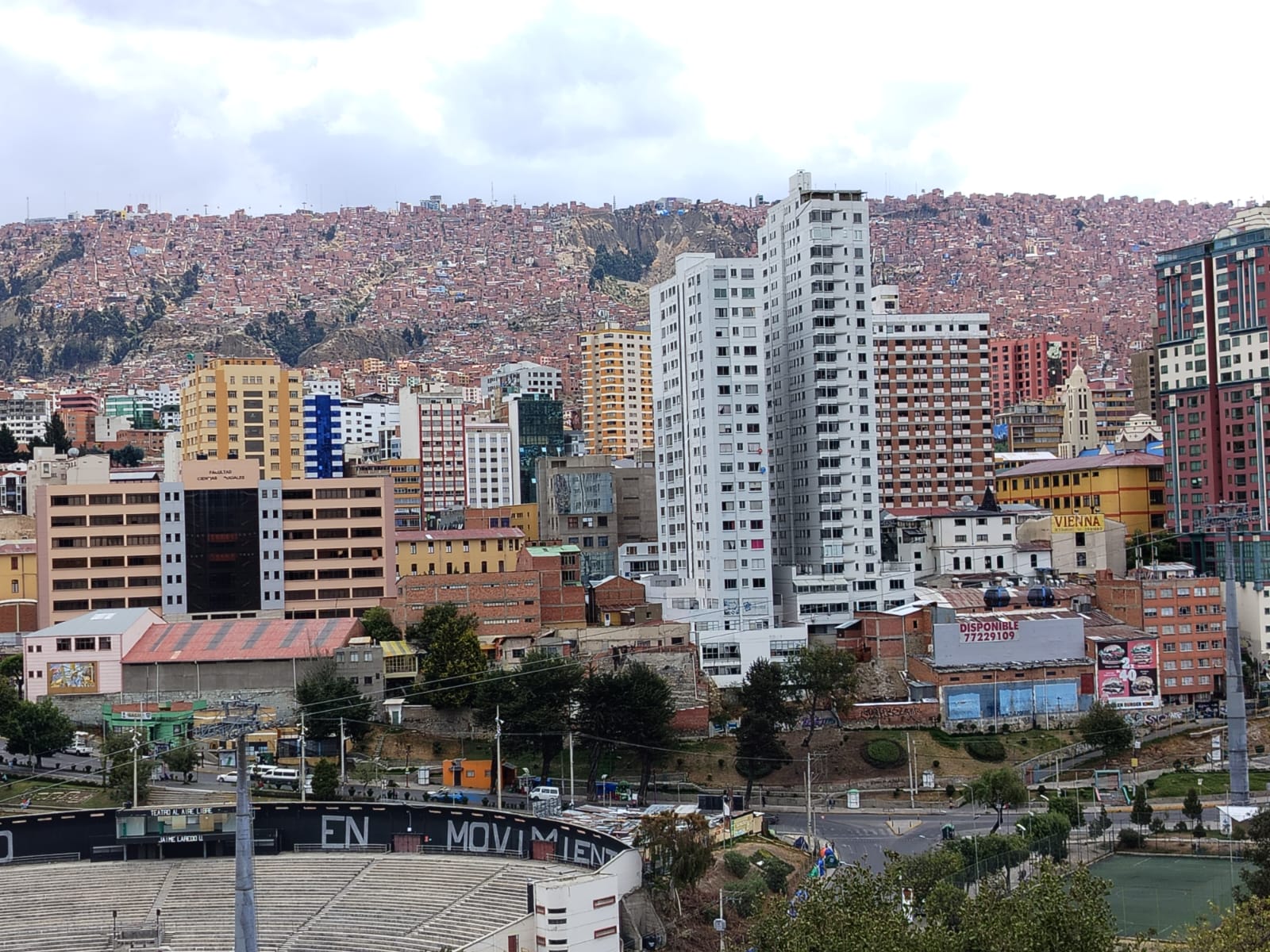
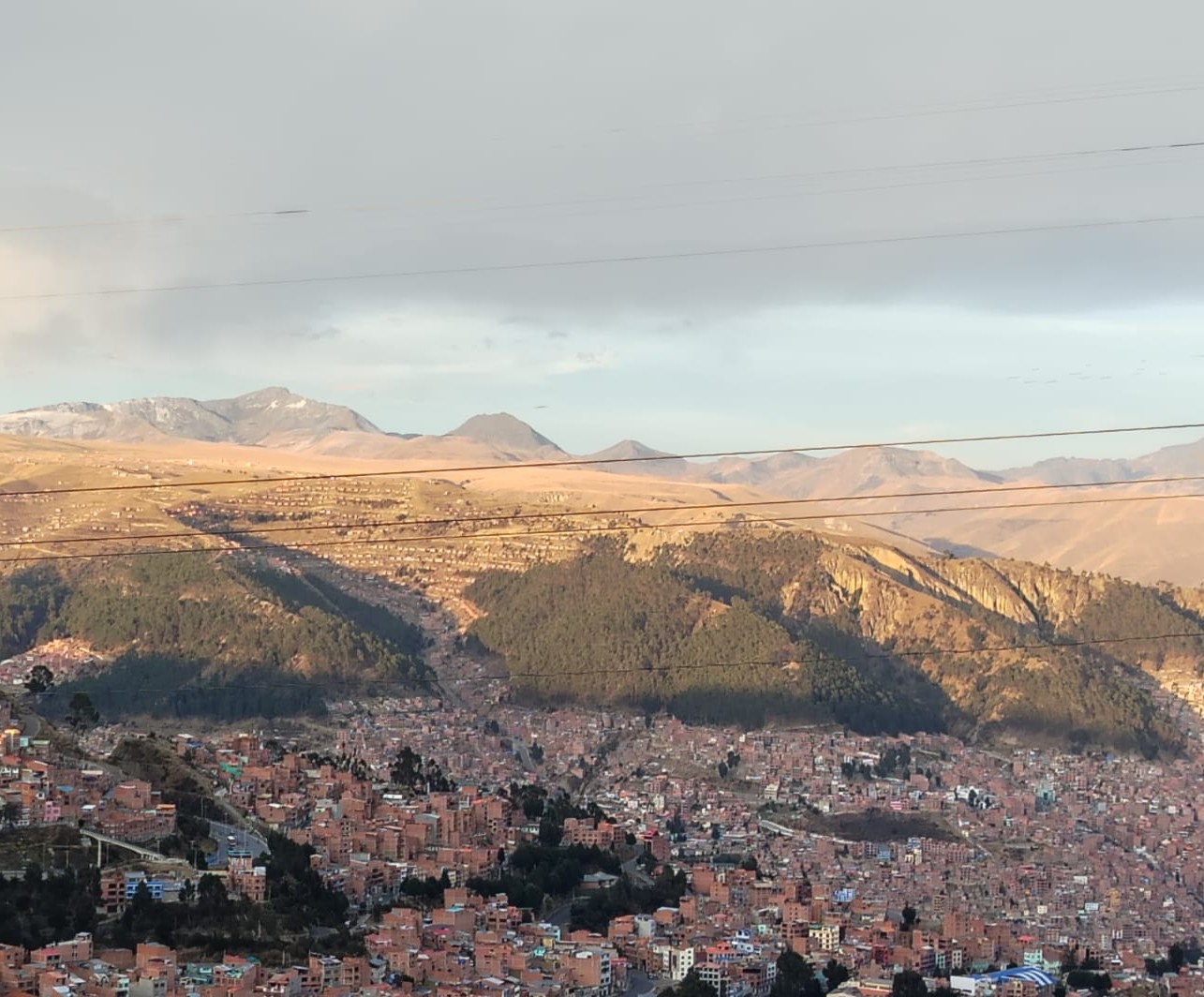
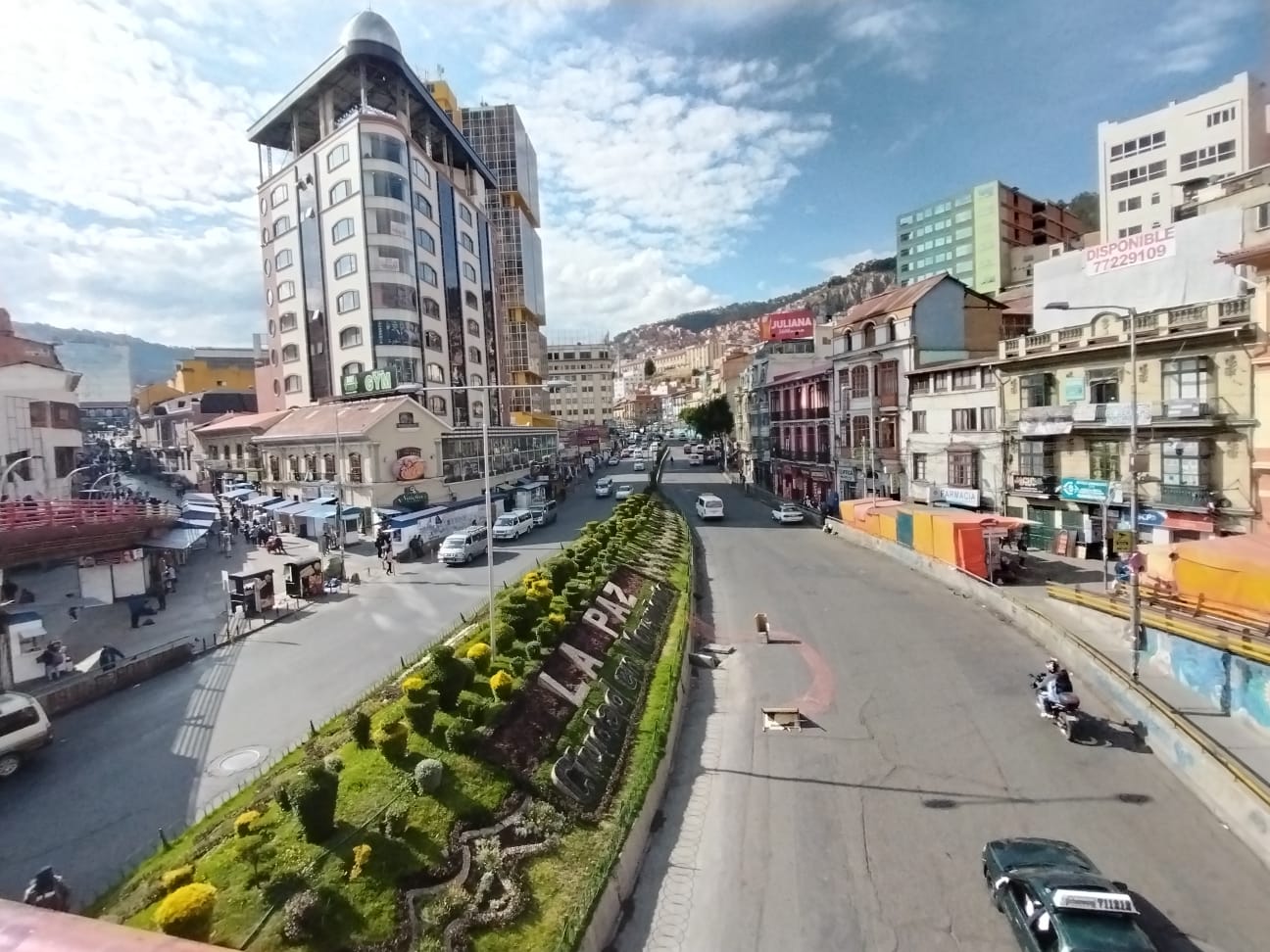
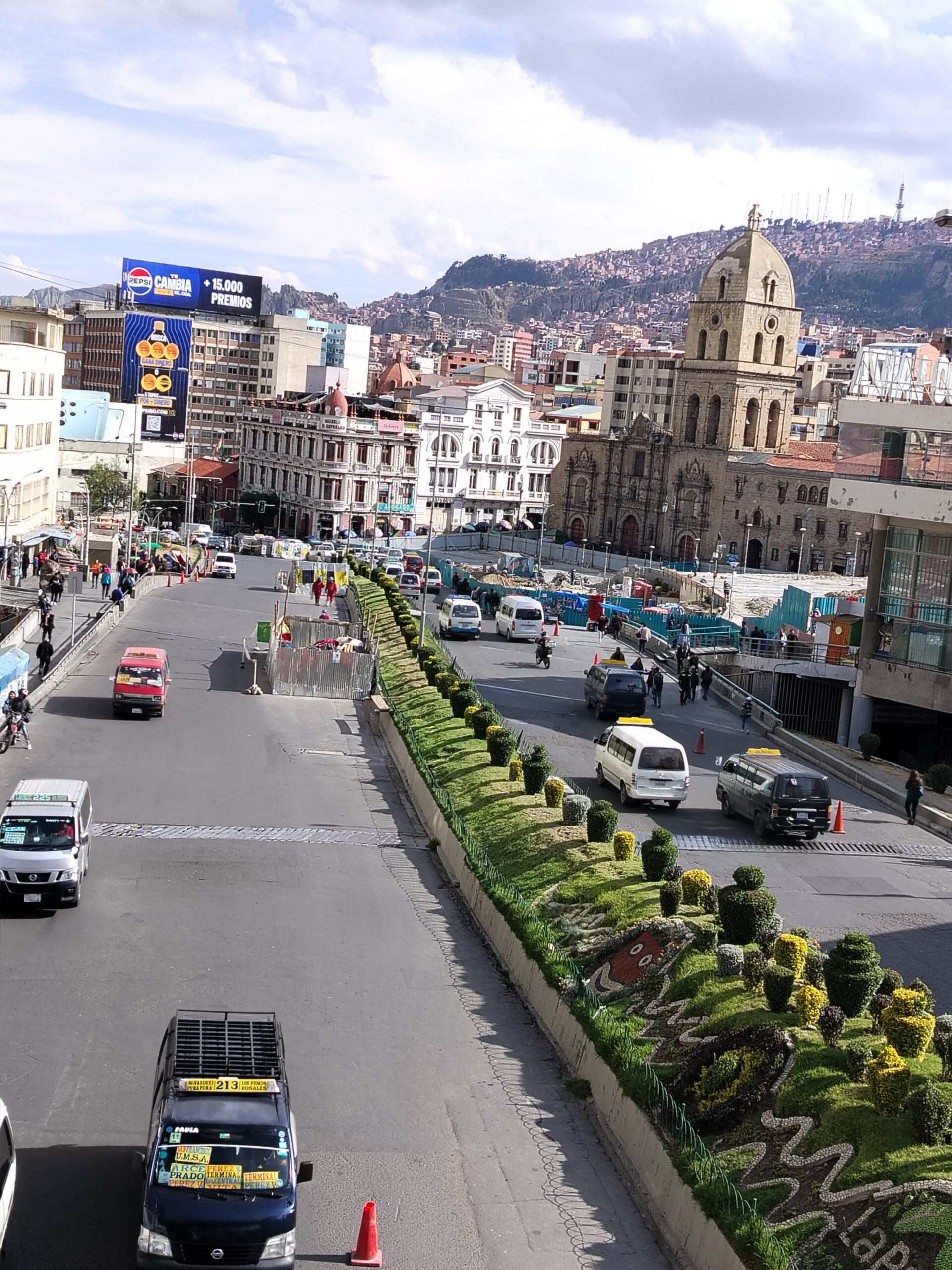
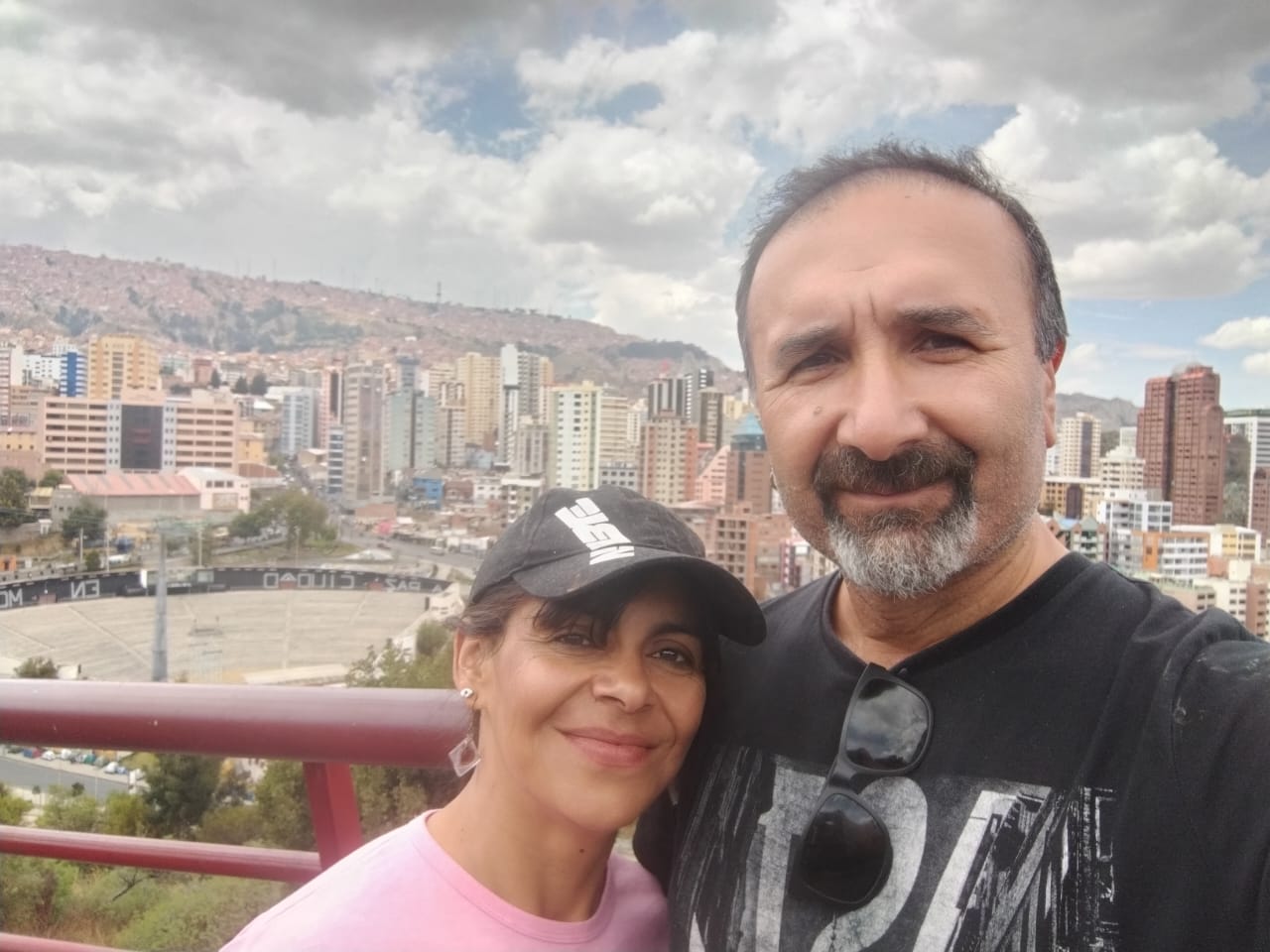
When we woke up the next morning, it did not take us long to understand that we were in La Pazone of the most interesting cities in the world. La Paz was unlike any city we knew. Hundreds of thousands of houses spreading into a valley looked as if they had been poured between the mountains. In the lower part of the city, modern apartment blocks and skyscrapers rose; as you climbed upward, the view changed and traditional, brick-colored, box-like houses appeared one after another.
Every high point whispered a different story. On one hand, the city was inside a breathless crowd; on the other, it carried a strange peace in the middle of the valley. Perhaps this contradiction was what made La Paz special.
As we watched the city, we thought about what it would feel like to live here. The difficulties of high altitude, narrow streets, chaotic traffic and a sky woven with cable cars… All together, they wrapped La Paz in an atmosphere unlike anywhere else in the world.

🏛️ Day 1 — City Center, Parliament Building and the Witches’ Market
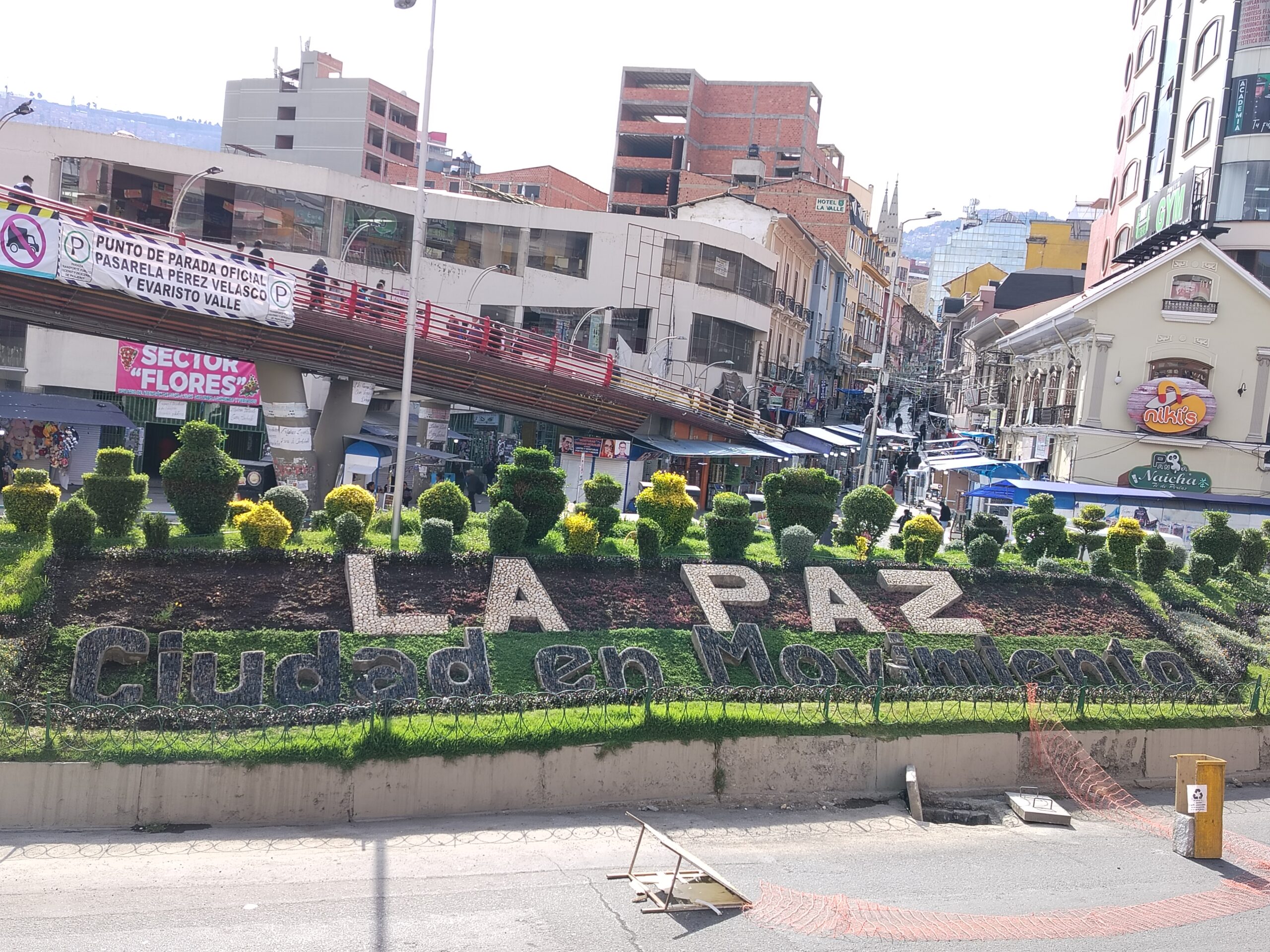
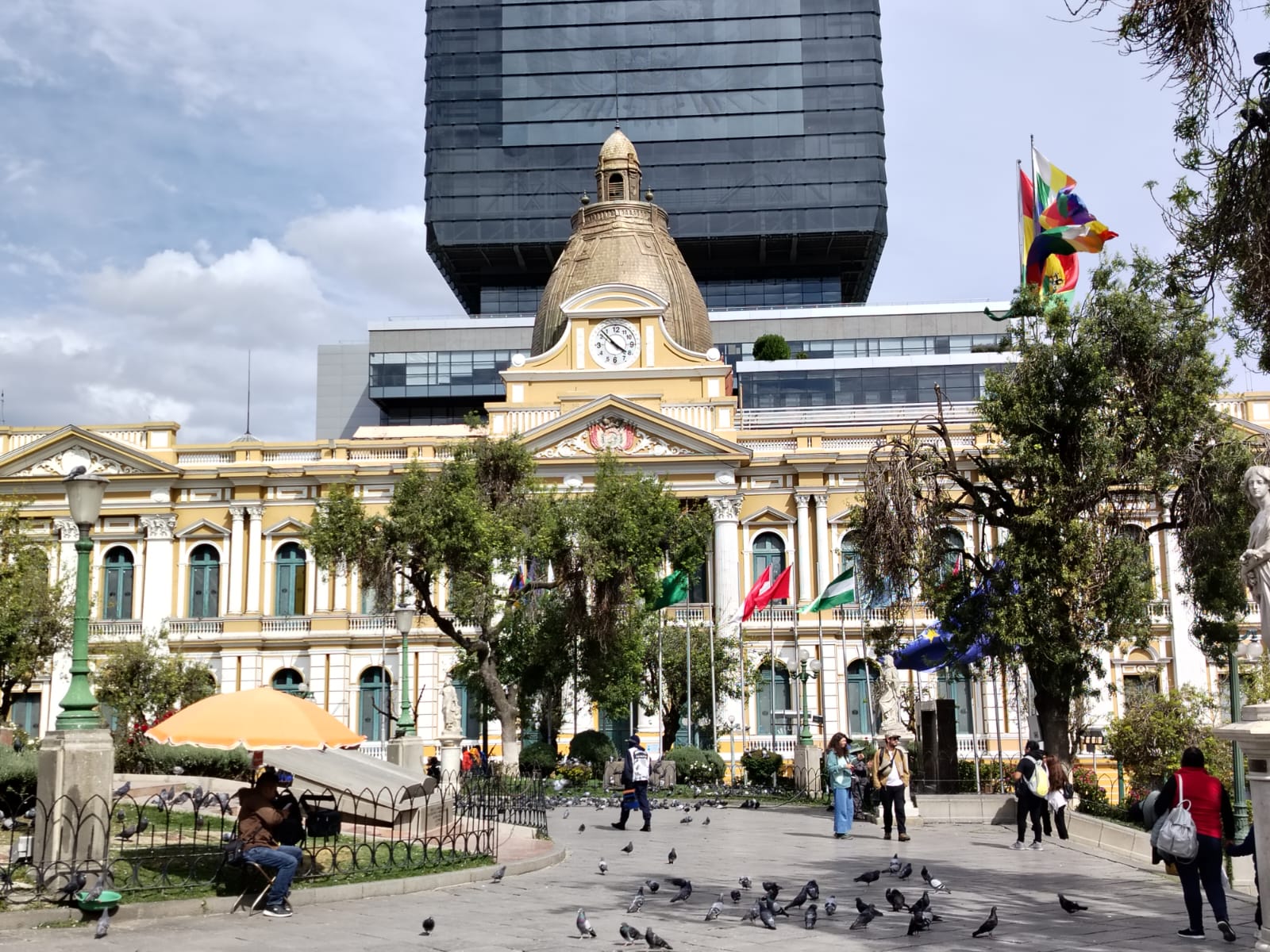
We began our first full day in La Paz from the city center. The area around Plaza Murillo, considered the heart of the city, was surrounded by government buildings with colonial architecture and yellow-white details. As we walked around the square, we felt both the weight of history and the movement of the present at the same time. Soldiers, tourists, locals… Everyone seemed to be moving within a rhythm.

As we walked toward the Parliament building, we noticed something for the first time: many people had cotton in their noses. At first, we thought it might be a tradition or some different health practice, but the reality was much simpler: high altitude. Nosebleeds are apparently quite common in parts of La Paz above 3,600 meters. This scene showed the city’s altitude with complete clarity.
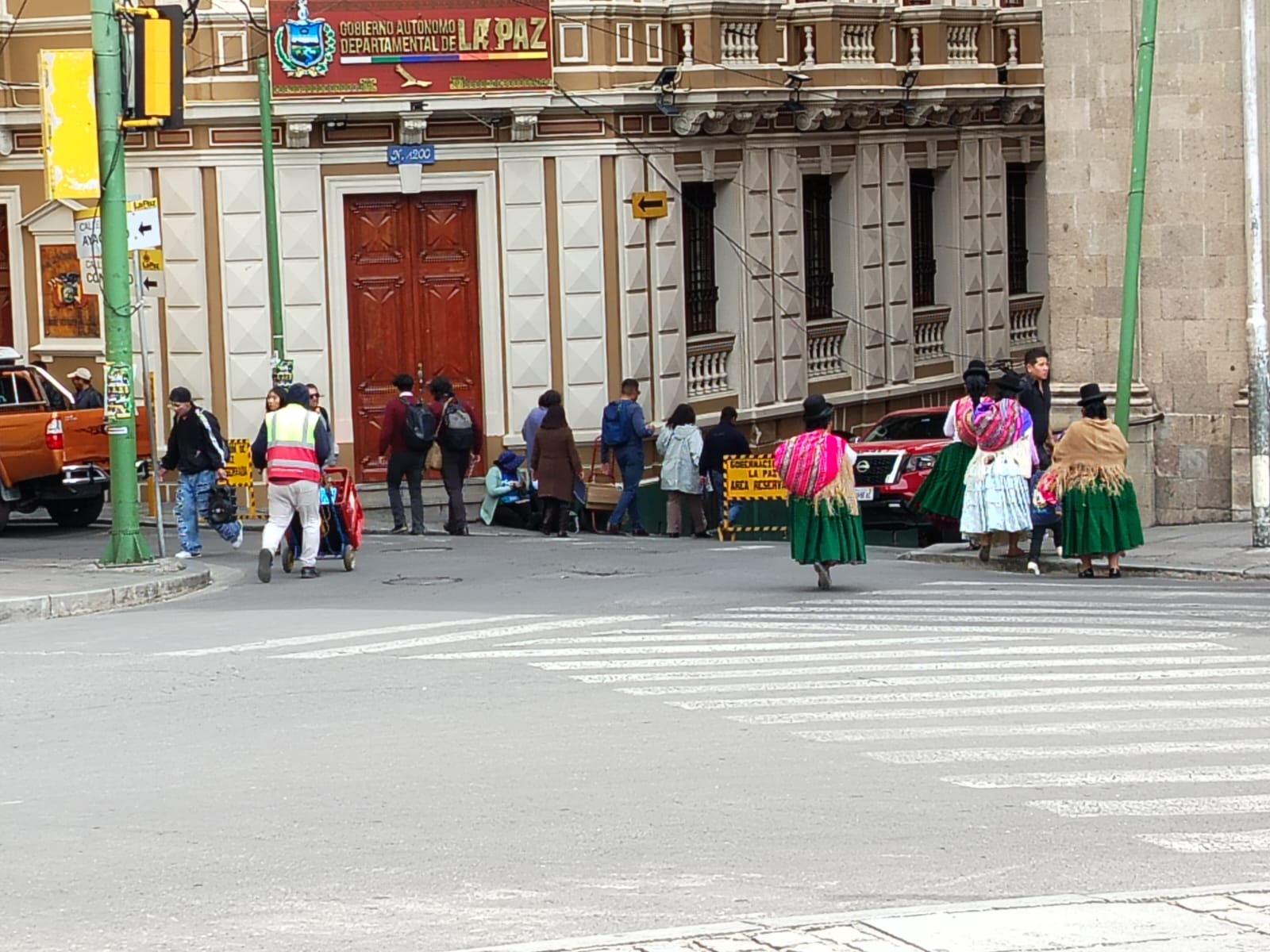
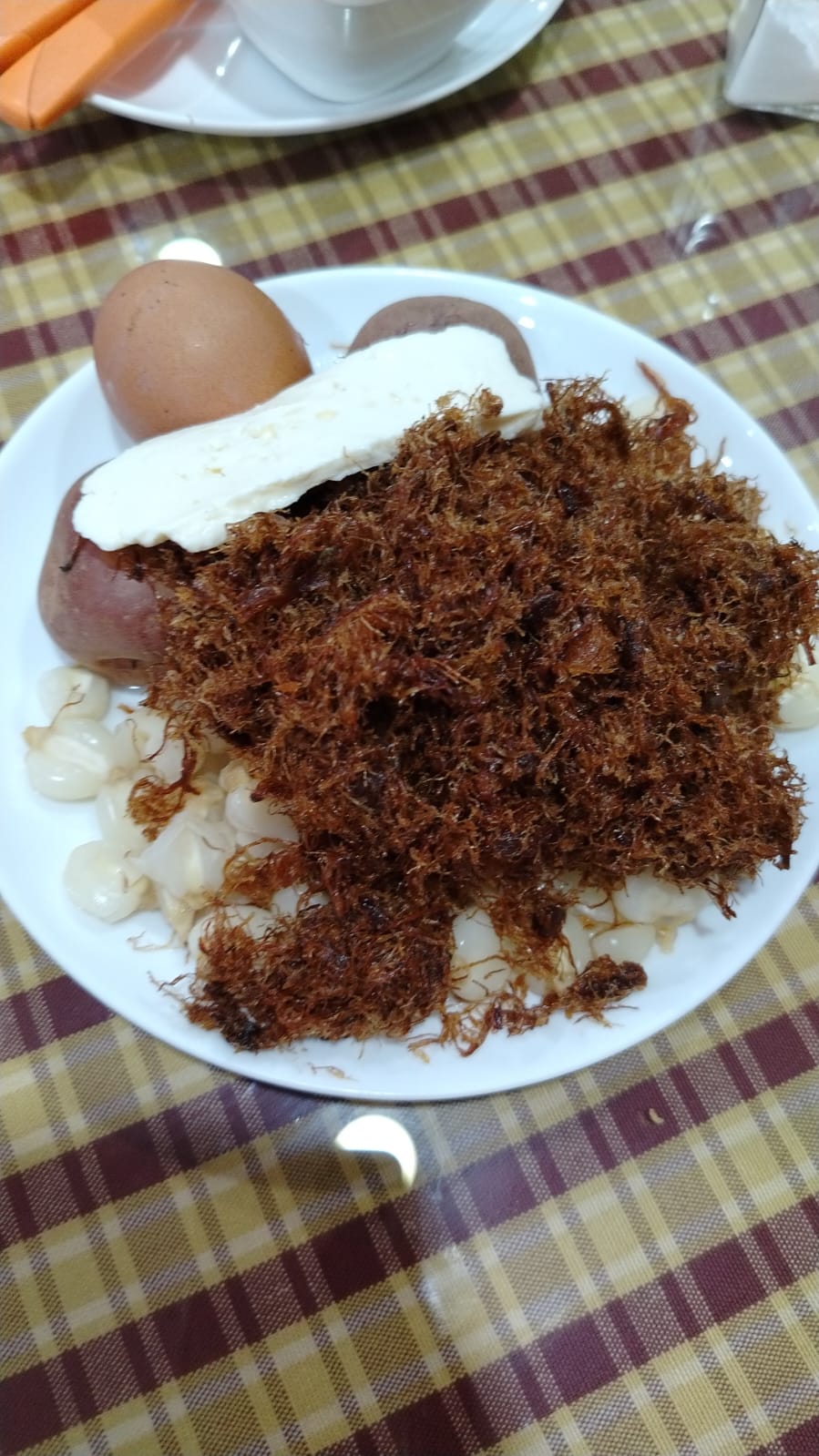
As we walked through the streets, different smells and sounds came toward us. When we saw llama meat being sold in a few small shops, we became curious and decided to try it. We ordered two portions, thinking we would eat them together. But the taste was not for us at all. It had a slightly sweet aroma, and its texture was not much like the meats we were used to. That day, we closed the llama meat chapter.
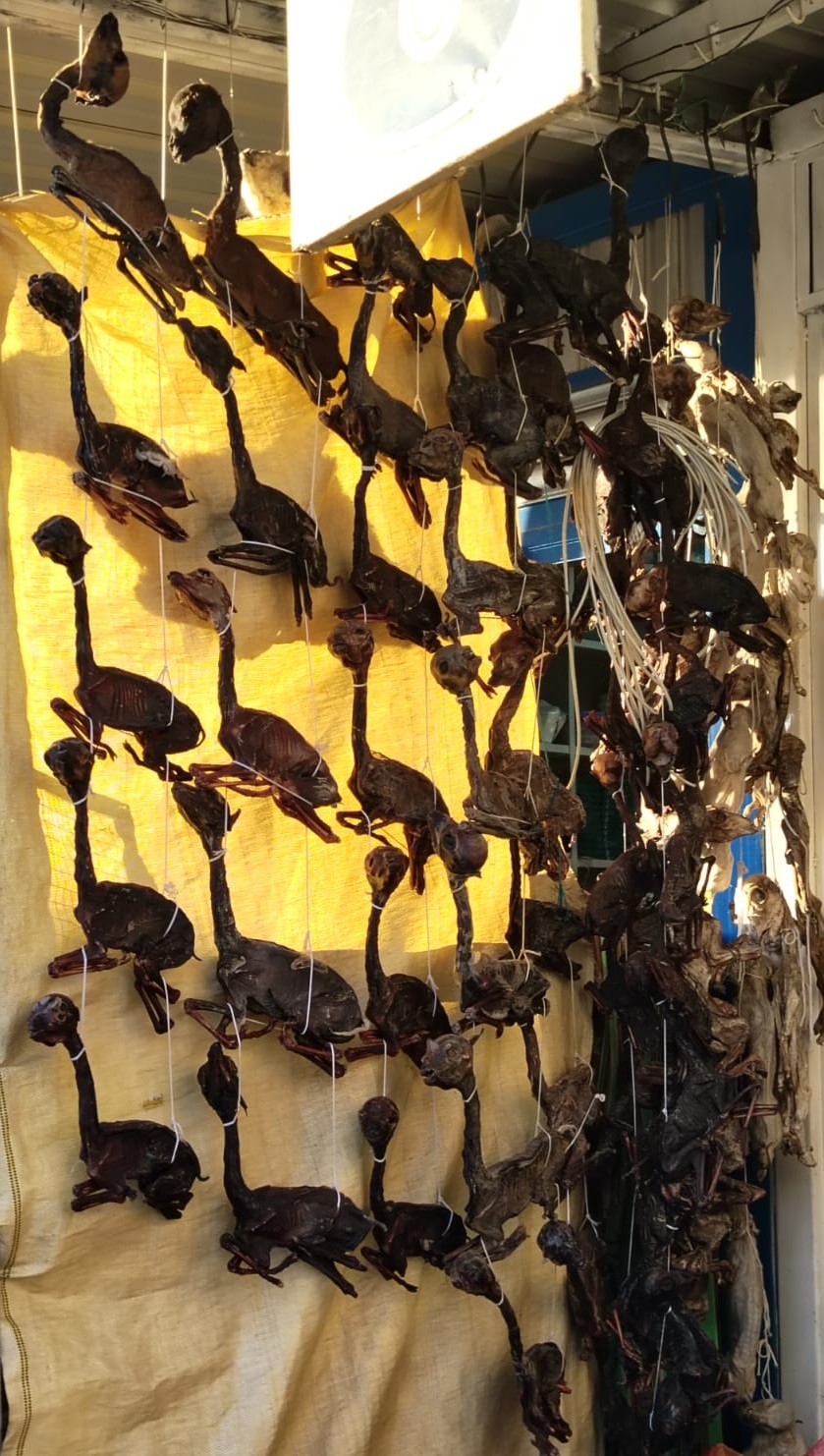
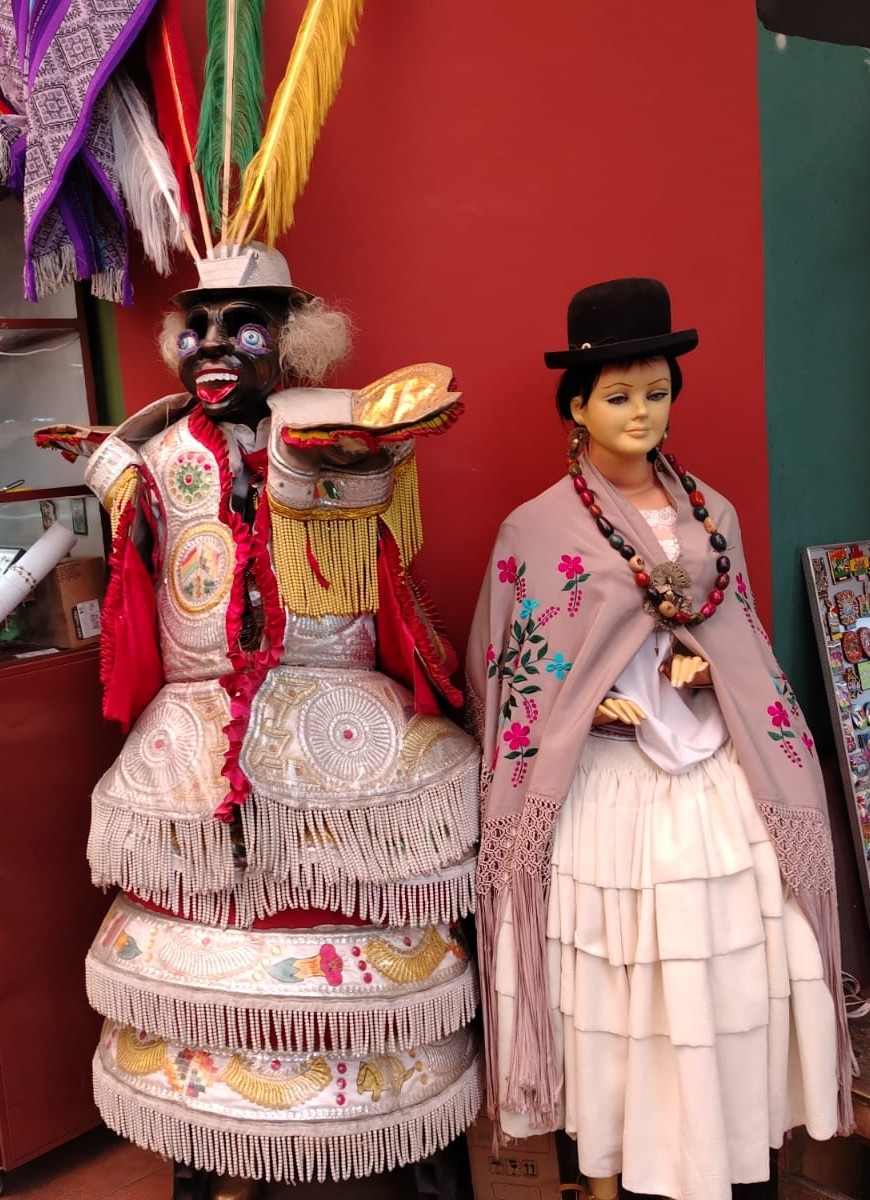
Later in the day, we reached one of the most mysterious points of La Paz: Mercado de las Brujas — the Witches’ Market. The dried alpaca fetuses, mysterious herbs, talismans, colorful fabrics and soothing smells sold here gave the city a completely different atmosphere. Seeing the beliefs, rituals and culture of the locals here became an important step in understanding the soul of La Paz.
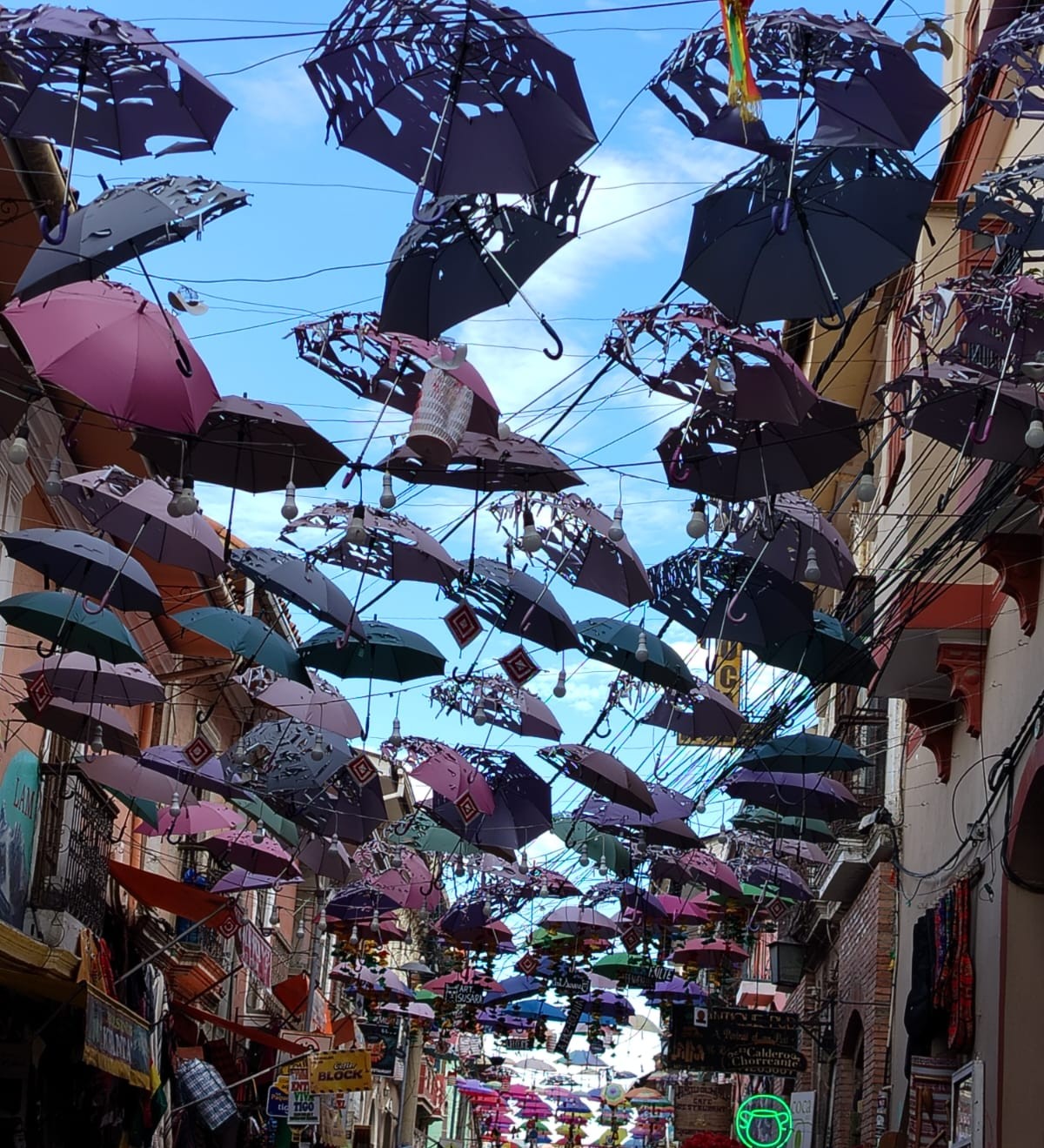
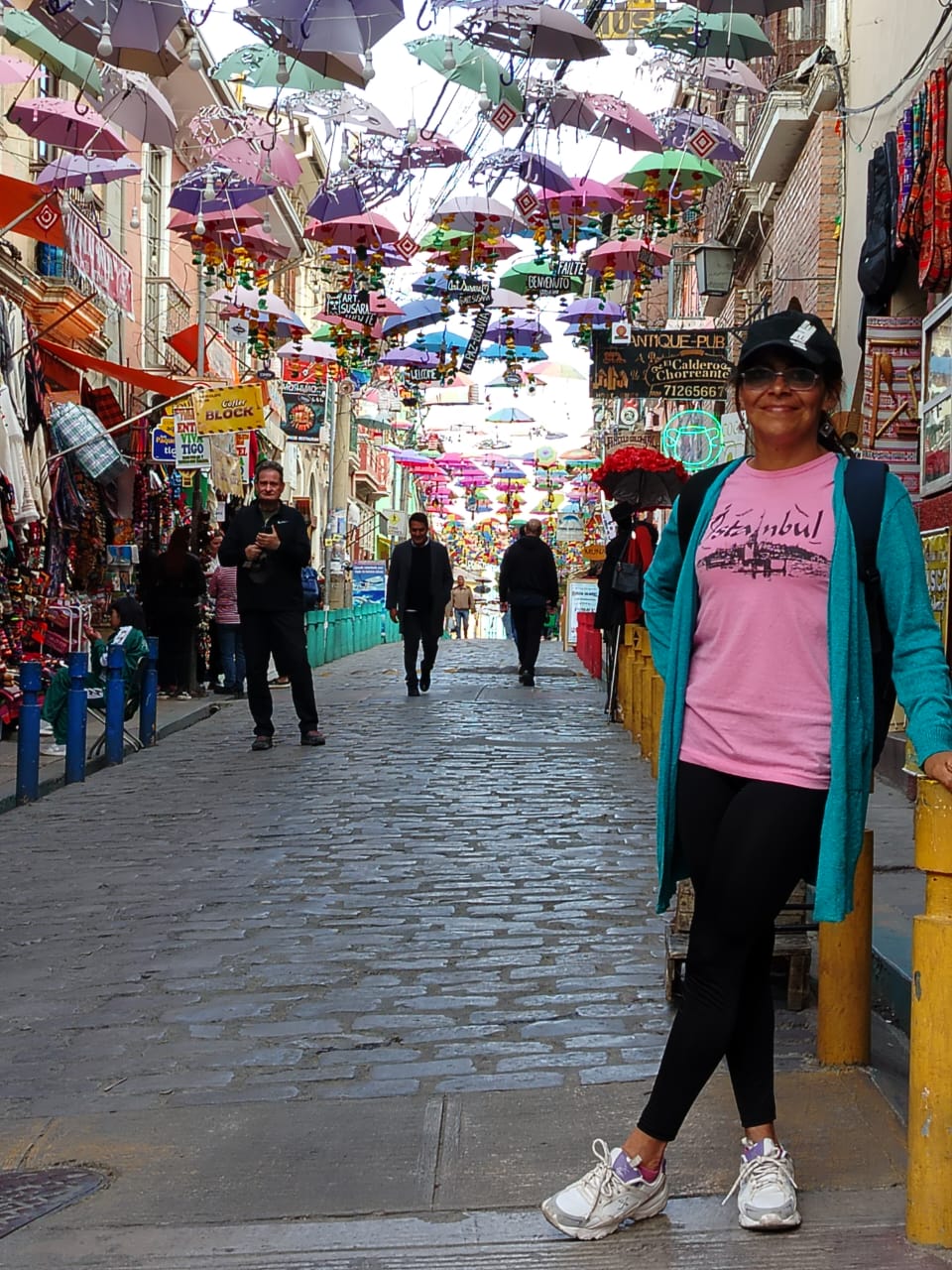
In the late afternoon, as the sun slowly slipped behind the hills, we walked through streets decorated with umbrellas. In that moment, we truly felt the modern, traditional and fairy-tale side of La Paz.
🚡 Day 2 — A Day Above La Paz by Cable Cars
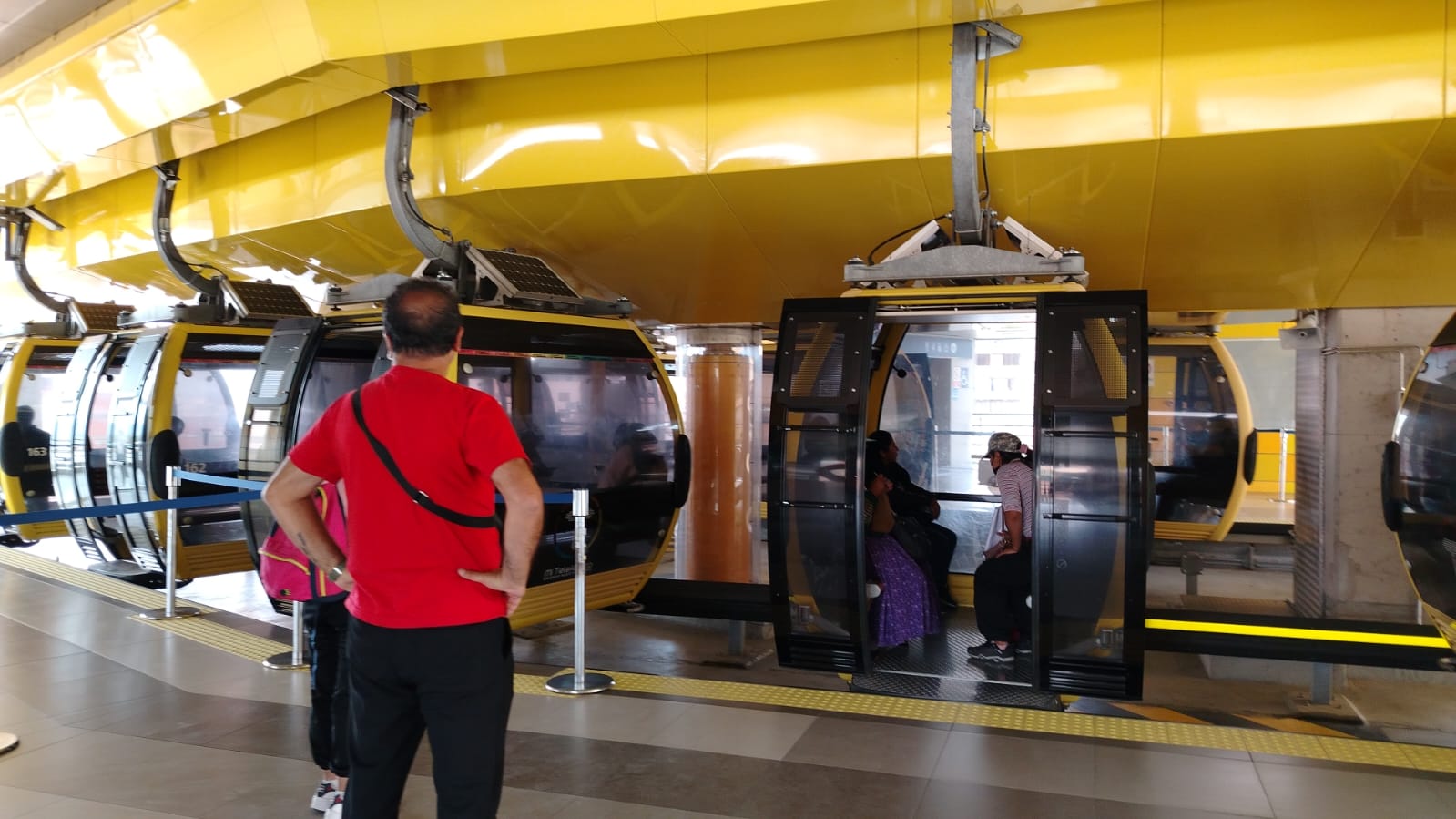
We devoted our second day entirely to La Paz’s most fascinating transportation network: the cable cars. In this city there is no metro, no tramway, but there is a huge network suspended in the sky. Colorful cable car lines stretch from one end of the valley to the other, and each one carries a different feeling.
The cable car lines of La Paz were as follows:
- Red
- Yellow
- Green
- Blue
- Light Blue (Celeste)
- Orange
- Purple
- Brown
- Silver
- White
We rode each of these colors one by one. We got off one cable car and transferred to another, watching a new face of the city from above each time. As the cable car cabin glided through the air, watching life flow beneath us gave a person a strange feeling of power. The city was chaotic, crowded and tiring, but from the sky everything looked orderly, calm and even peaceful.
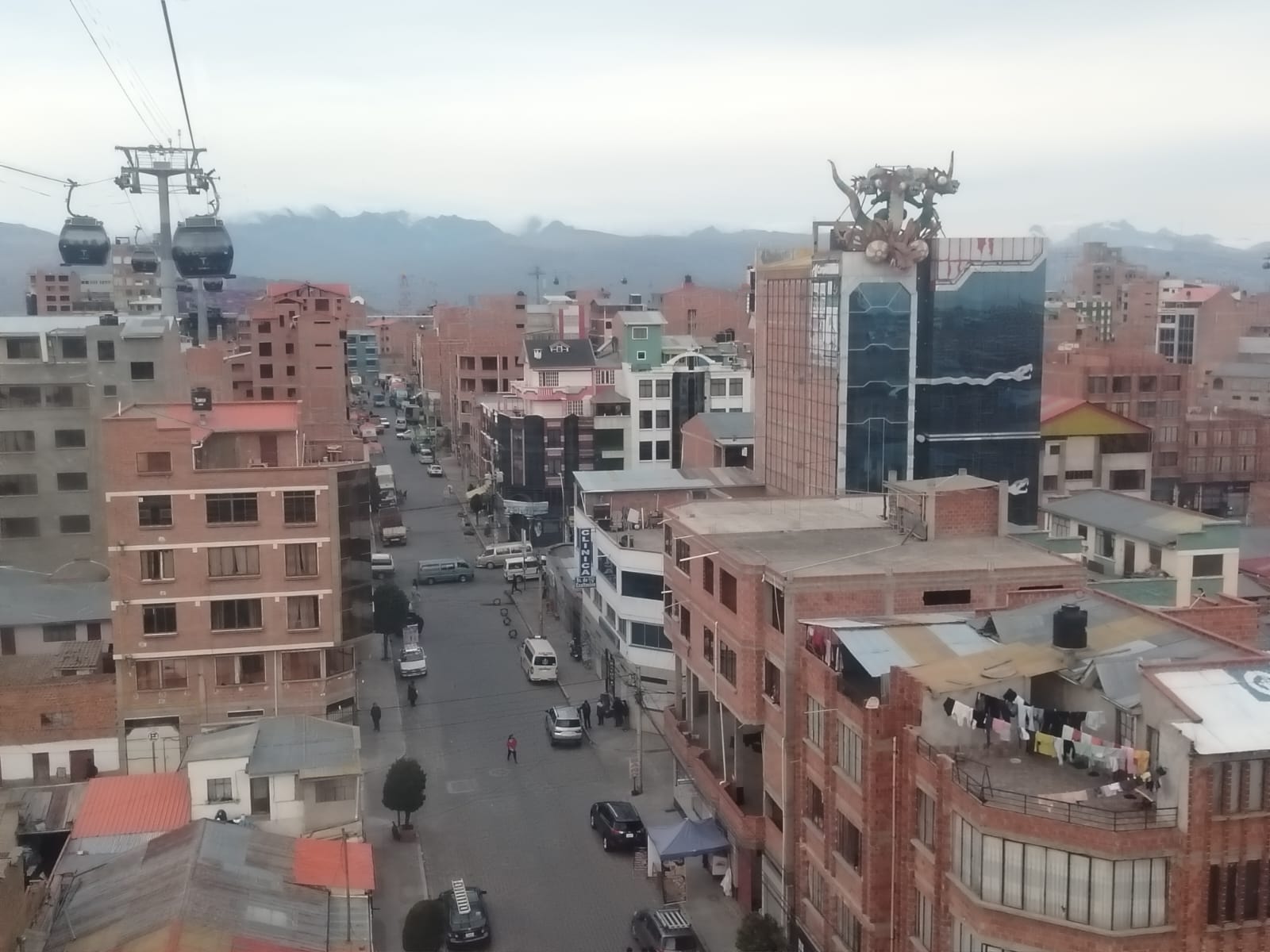
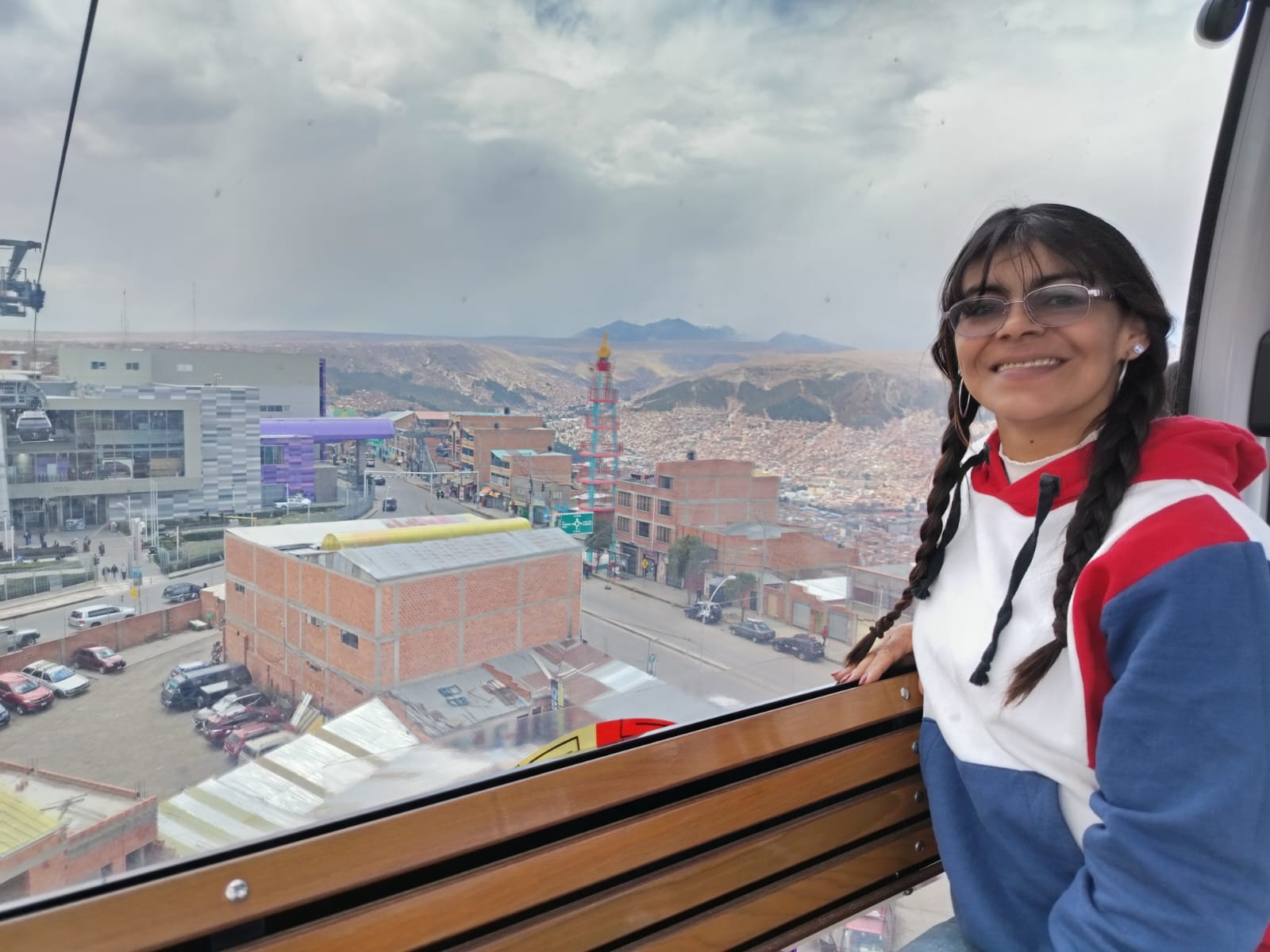
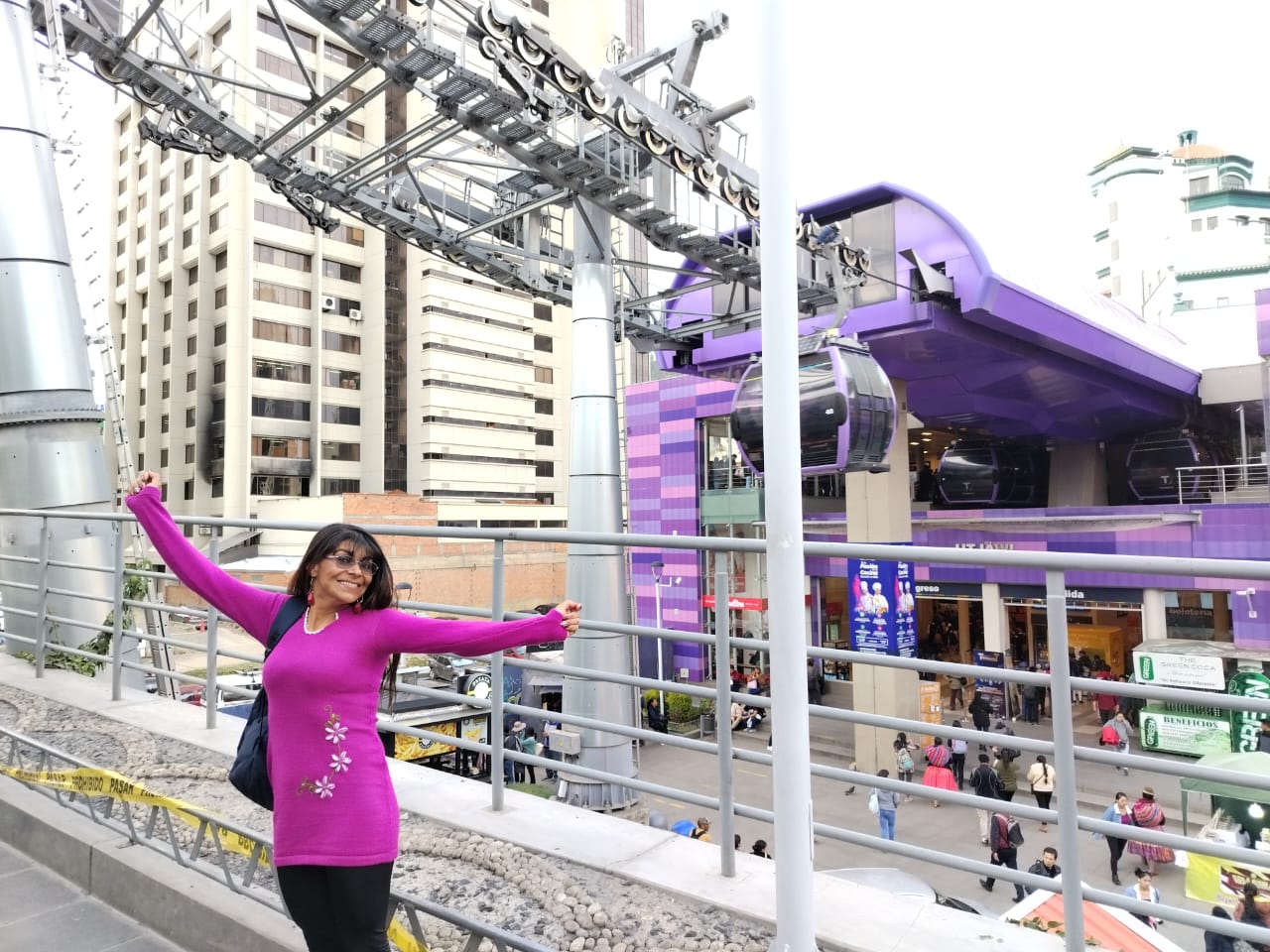
The cable car carried us not only to points above La Paz, but also deep into El Alto. As El Alto welcomed us with the words “Ciudad con Altura,” we felt that the cultural and economic pulse of the country beat here. The chaos that dominated the city, the energetic streets, the shouts and endless markets were here.
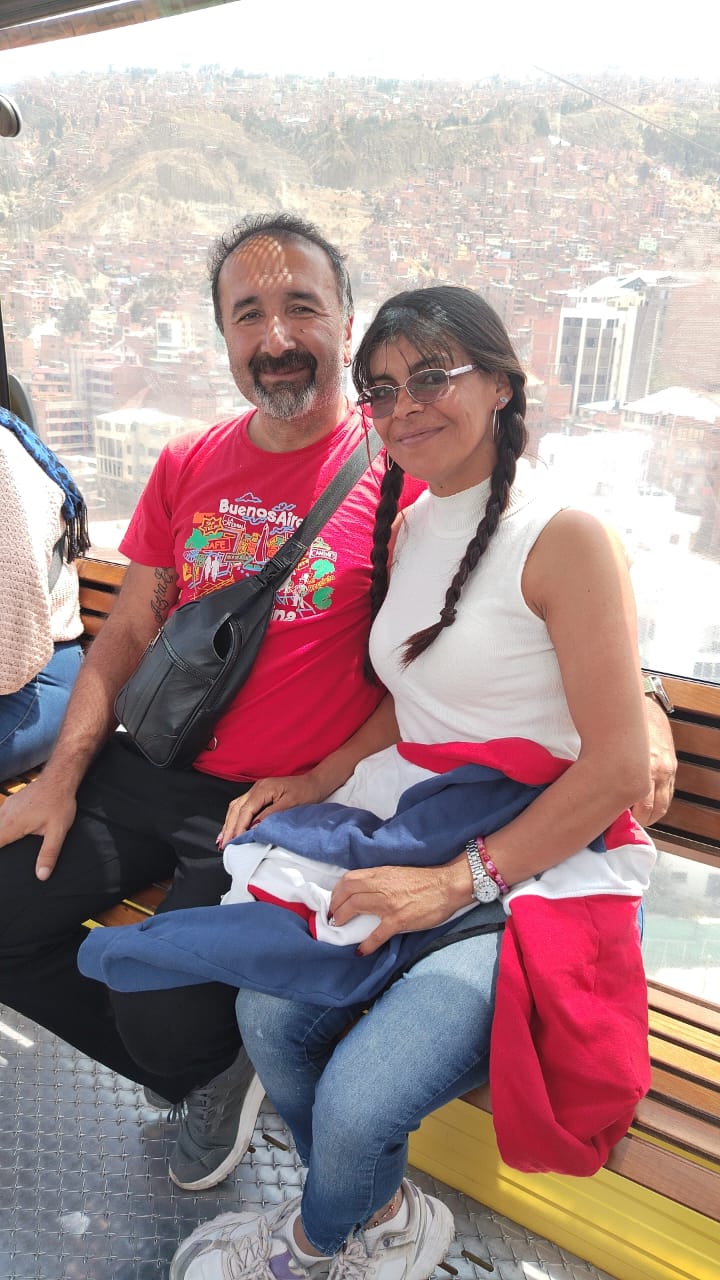
When we looked down from the cable car, we saw that almost all of El Alto was a giant market. The streets were full of stalls stretching for kilometers, and there was everything on those stalls: colorful fabrics, electronic goods, toys, food, handmade products… Whatever you looked for, you could find it. We got off the cable car and left ourselves in the middle of these markets. Getting lost in the crowd, walking with the local people and becoming part of their life even for a moment was very impressive.
In some side streets, we saw incense being burned in front of small shops. The shops of those who practiced magic, offering rituals and traditional practices were still alive here. The smell of incense at doorways mixed with smoke and spread along the street. People left their wishes, some prayed, and some watched silently. The atmosphere was both mystical and captivating.
When we looked at the view from the cable car again, seeing how the city inside the valley breathed, lived and remained resilient fascinated us.
🚧 Day 3 — The Surprise We Faced While Trying to Leave La Paz
On the third day, around 10 in the morning, we set out to leave the city. Our destination was Copacabana. When we got into the car and entered the streets, something caught our attention: there were no vehicles on the streets of La Paz. This did not look like a normal day at all. It was almost impossible for a crowded city like La Paz to be this quiet.
As we moved a little farther, the situation became clearer. City buses and minibuses had blocked all the main roads. At some intersections, vehicles were lined up side by side; in some places, the roads were completely cut off. Whichever way we turned, we encountered the same scene. It seemed impossible to get out of the city.
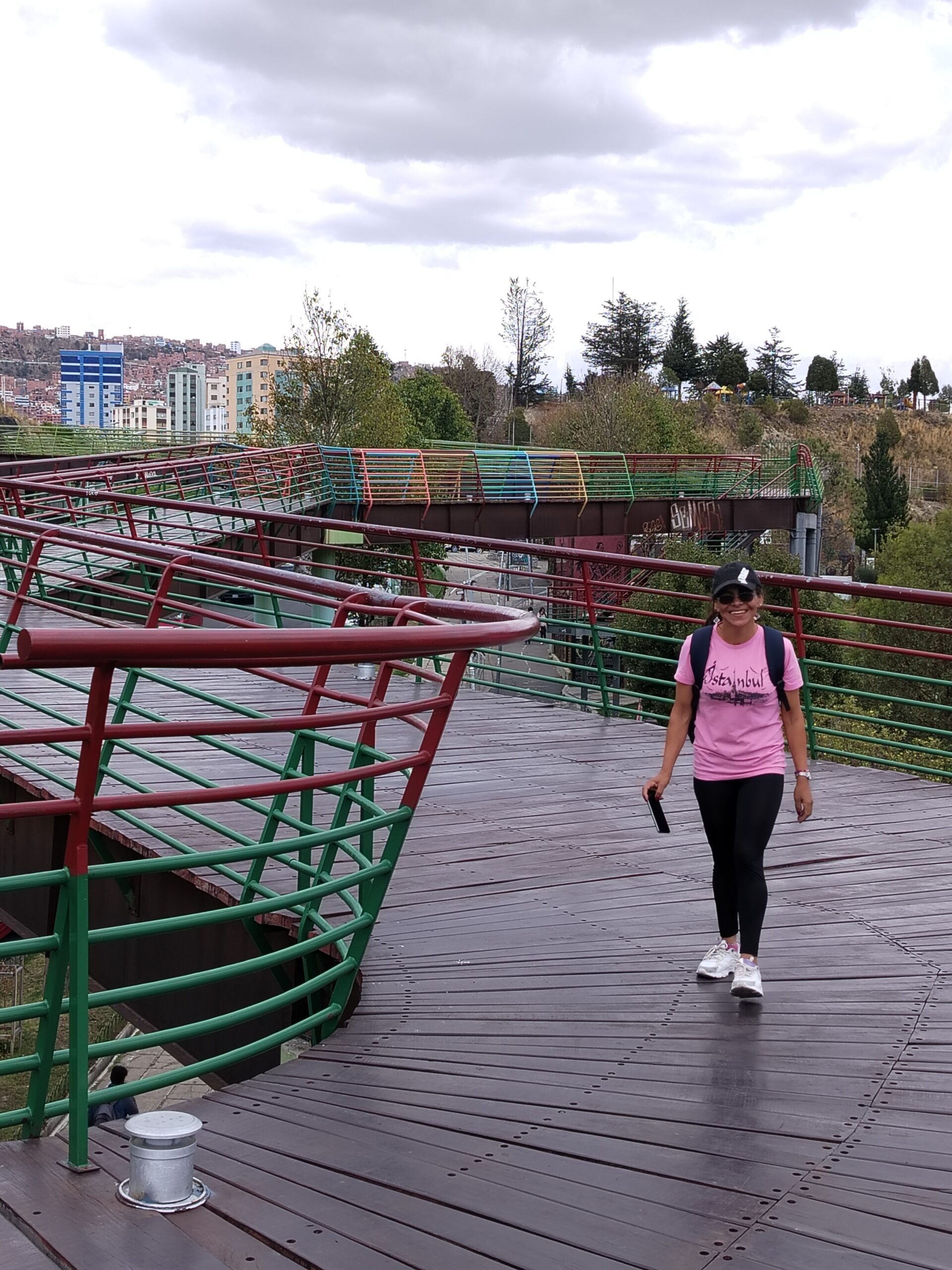
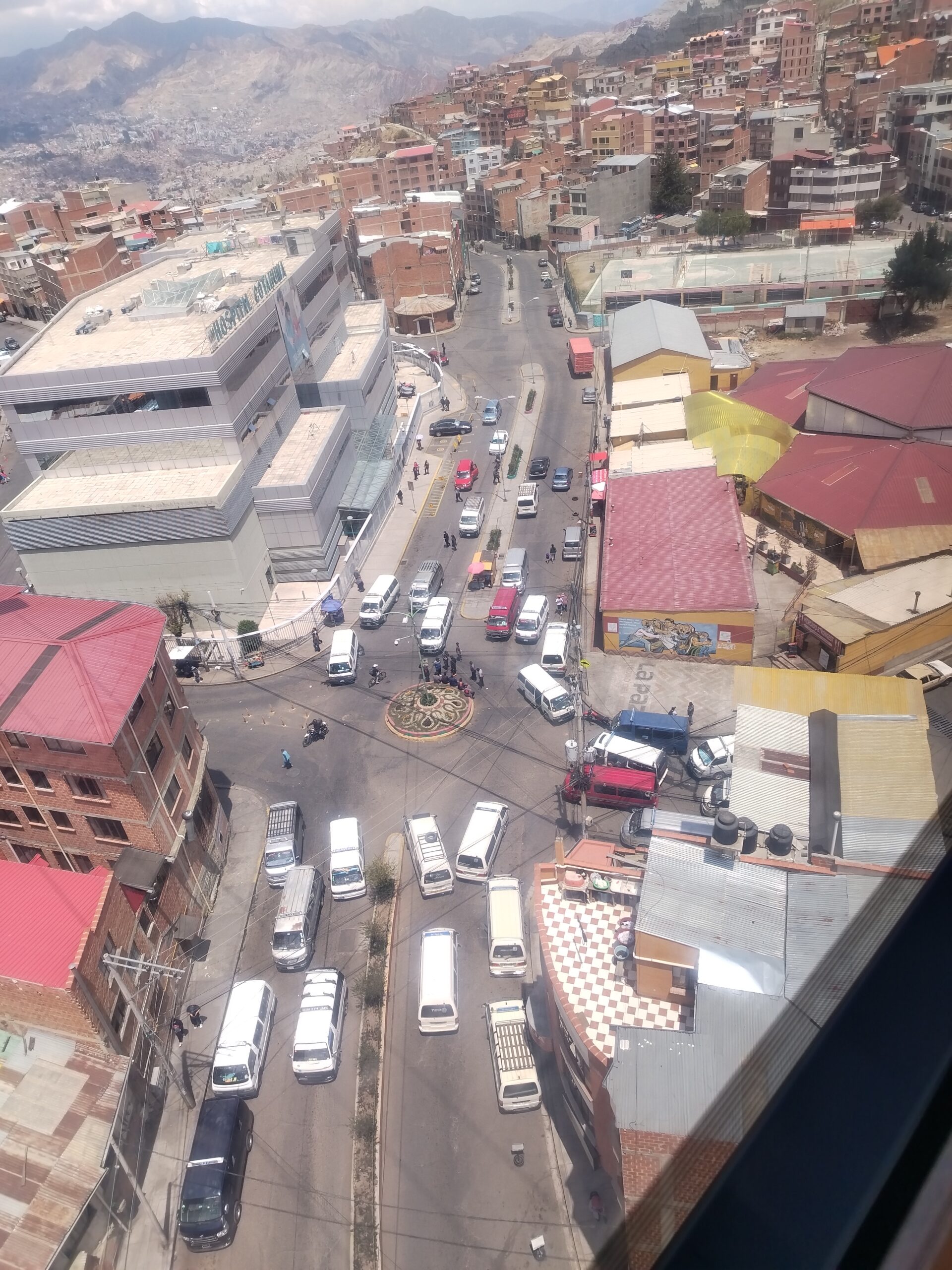
We parked the car in a safe place and spoke with the bus drivers. The reason for the protest was very familiar: the fuel crisis. The drivers had blocked all the city’s main arteries to react against the government. The only thing they told us was this:
We looked at each other in surprise. There was not much to do. So we left the car and began wandering the streets of La Paz without it. The city had lost the noise we were used to hearing for years. There were no horns, no traffic. It was possible even to hear the hurried footsteps of people. This silence of the streets was one of the most interesting moments that could be experienced in a capital city.
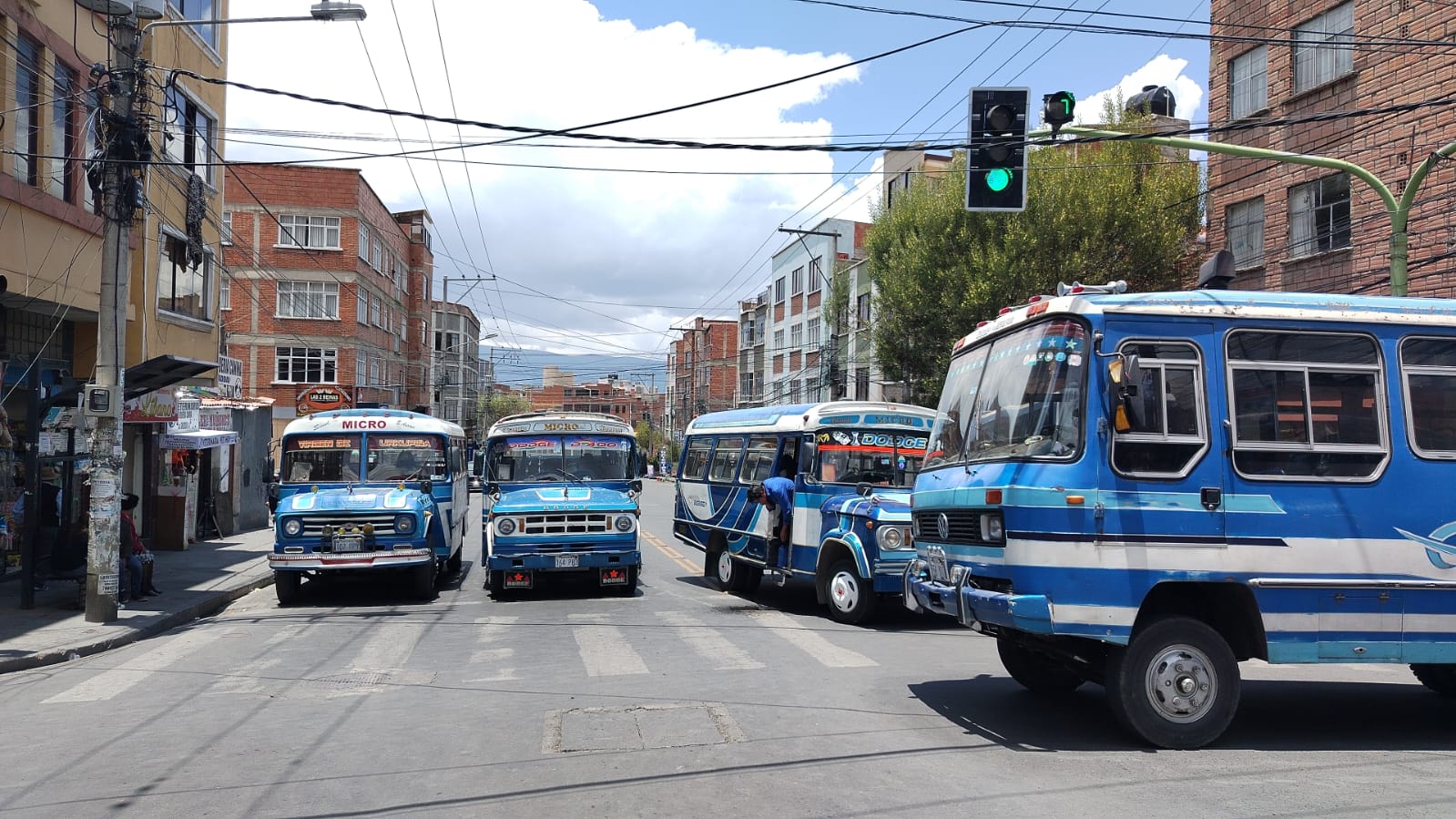
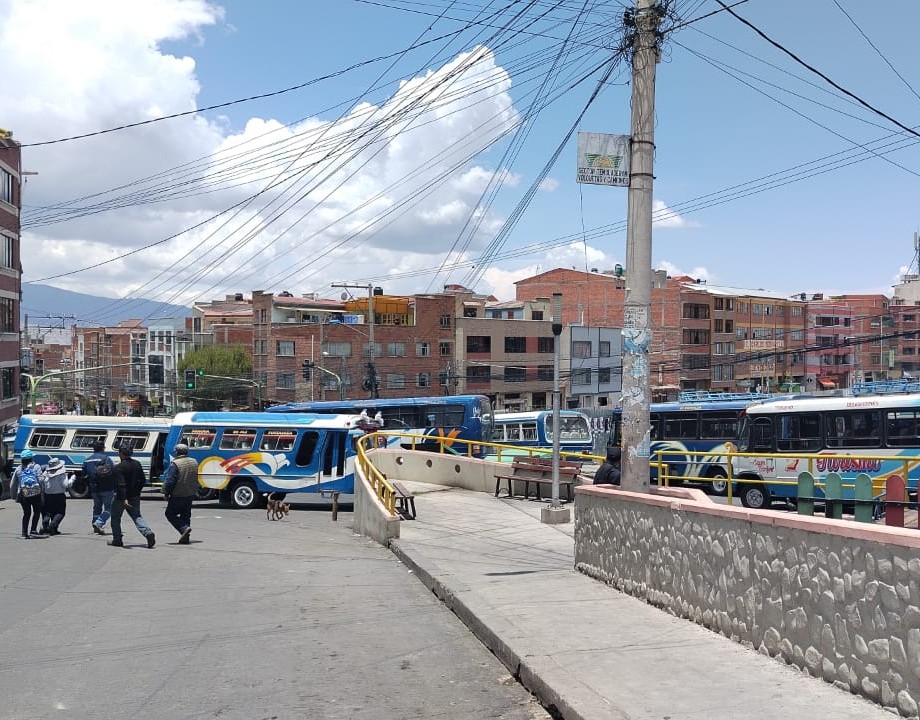
Some of the cable car lines were operating, and we rode them again. When we looked from the sky, we clearly saw how the buses had completely blocked the roads. It was also possible to record this in photos and videos. La Paz in protest was a sign of the city’s complex but also powerful structure.
When the roads opened again around 4 or 5, the city suddenly came back to life. People came out, traffic began to flow, and life returned to normal. We got back into the car and set off toward Copacabana. We bring together the continuation of this journey and our other routes on our blog page .
🍃 The Fight Against Altitude: Coca Leaves
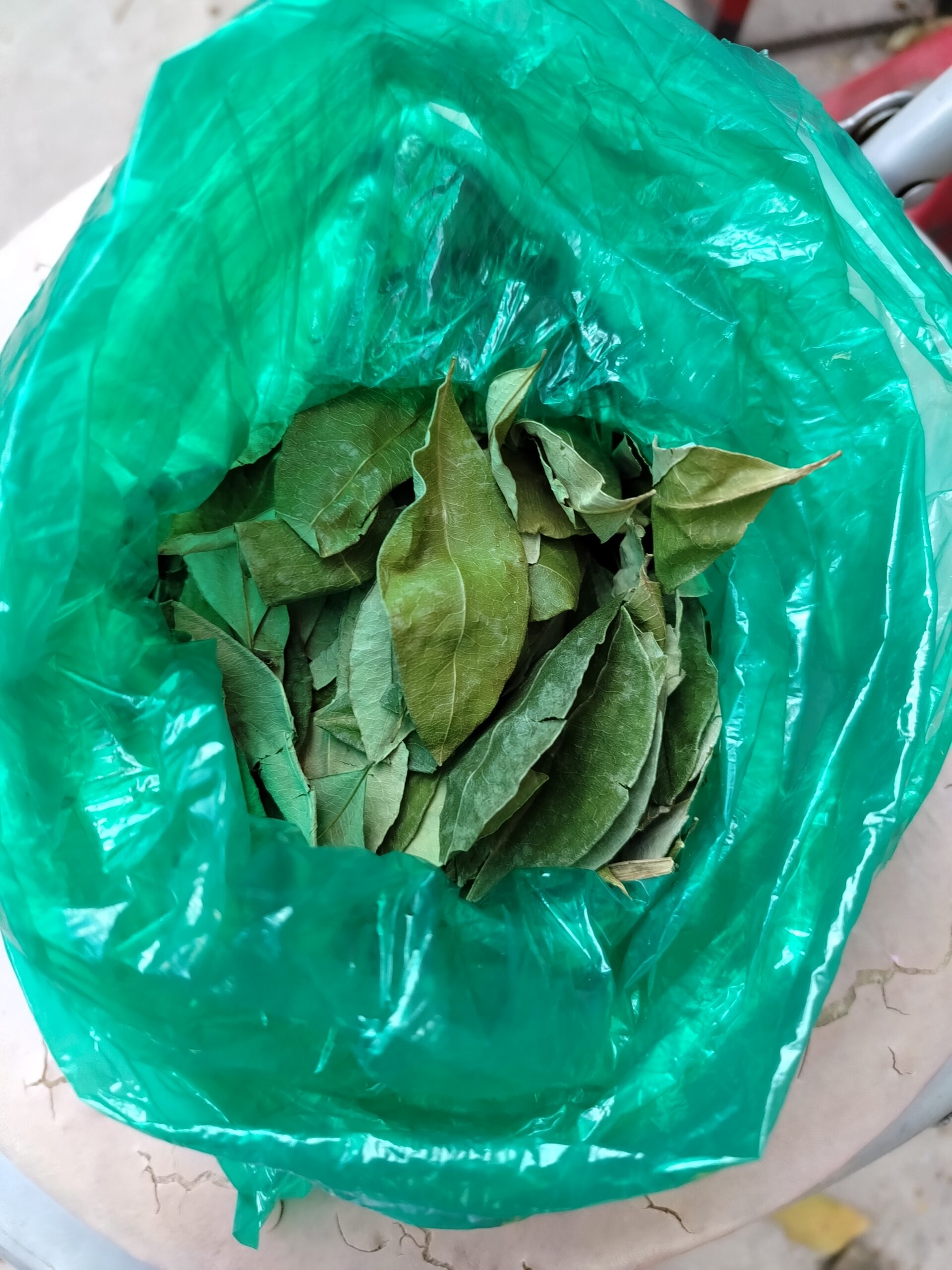
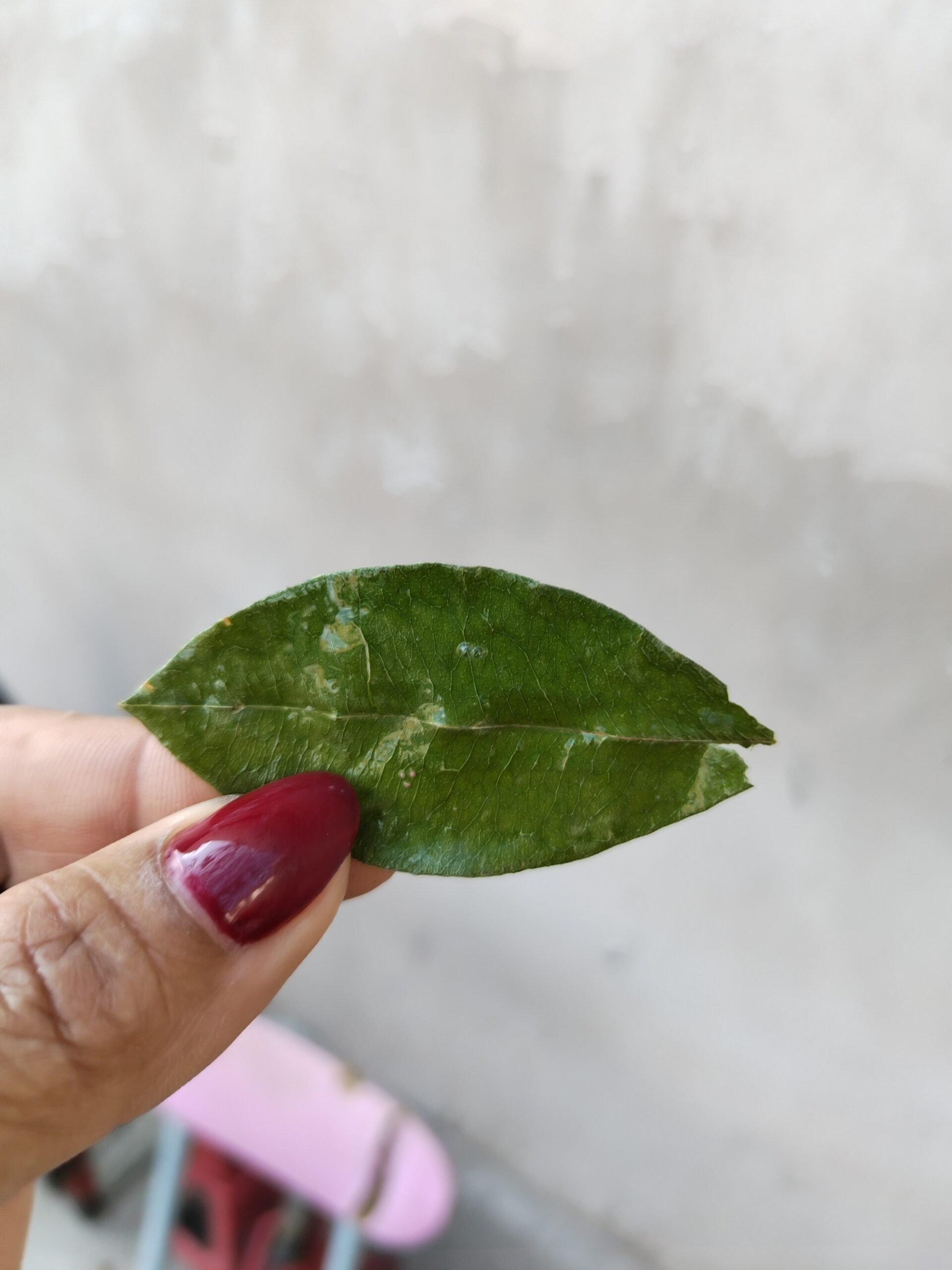
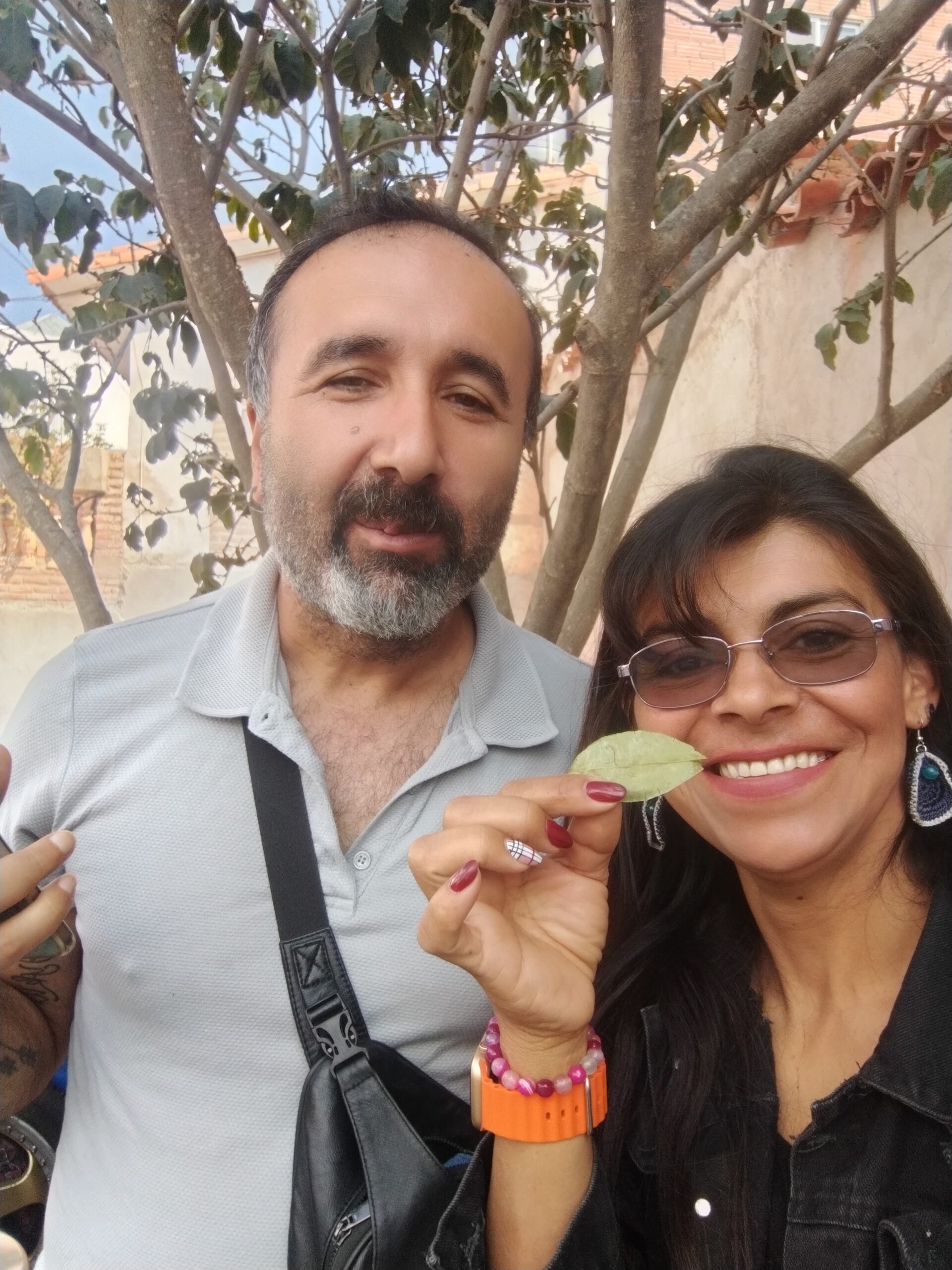
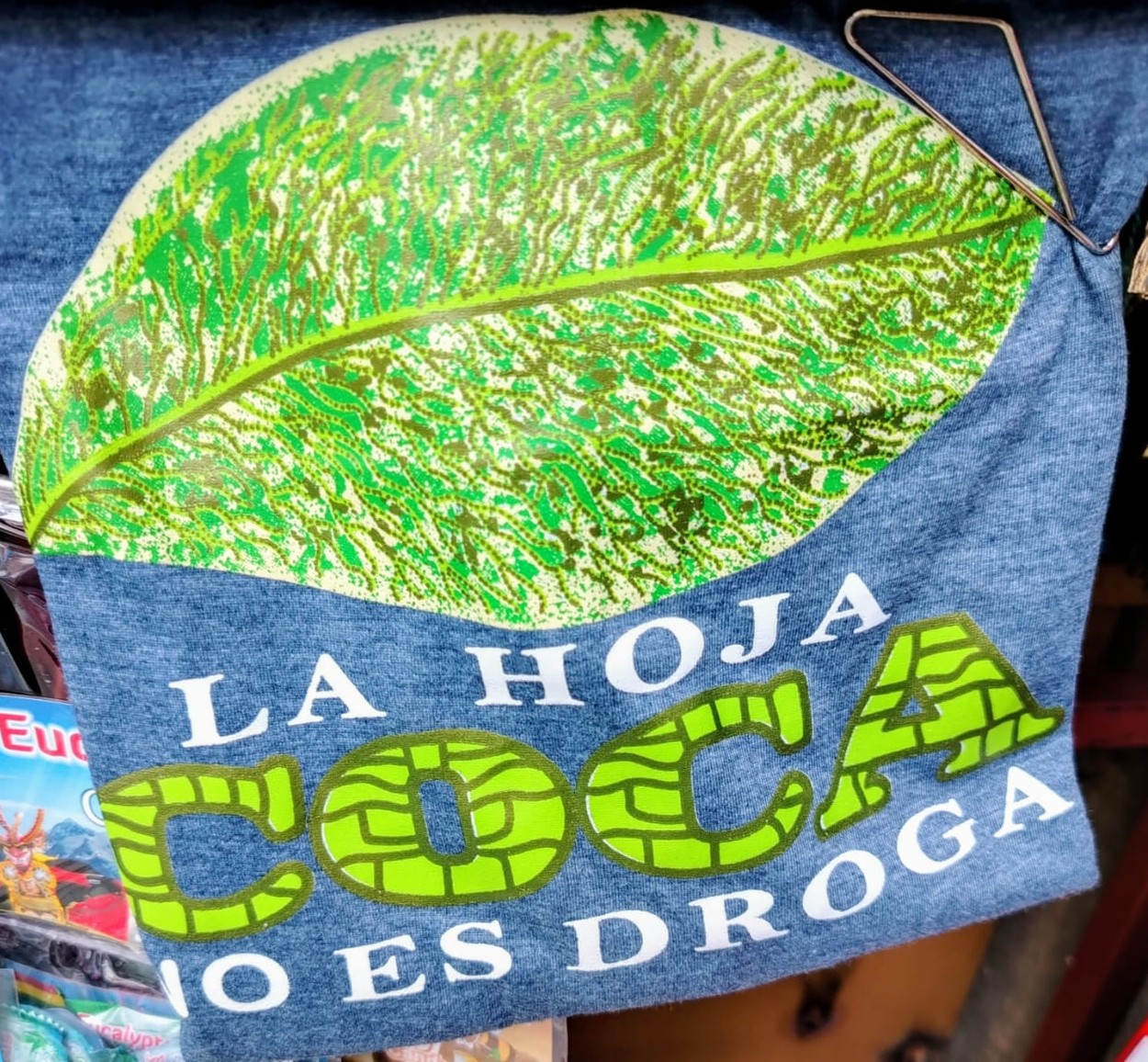
During the three days we spent in La Paz, Özcan felt the effects of altitude the most. The altitude above 3,600 meters caused not only shortness of breath, but also dizziness, fatigue and weakness. In this city, there was a solution local people had used for centuries to adapt to the altitude: coca leaves.
We also bought some of these leaves and joined this cultural habit of Bolivia. When you chew coca leaves and keep them in your cheek, the body feels lighter, breathing opens up and headaches decrease. We felt this effect quite strongly especially in El Alto and on the cable cars. Although seeing coca leaves sold in small bags seemed interesting at first, we soon understood how natural, traditional and daily a part of life this was here.
🎒 La Paz: A Difficult but Fascinating City
La Paz did not show us only a city; it offered us an experience, a struggle, a culture and a story.
During these three days:
- Fuel crisis
- Llama meat experience
- High altitude
- Protests
- Endless cable car lines
- The magical atmosphere of the Witches’ Market
- A giant city lost inside a valley
- The chaos and energy of El Alto
- Colorful streets, umbrellas, murals
- Giant markets, magic shops, incense
- And on top of all that, the surprise of road blockades
All of them came together and turned into an unforgettable journey.
Bolivia did not show us an easy face. But the face it showed was so real, hard and loyal to its own identity that we could not find it anywhere else in the world. And we saw this face from the valley, from the street and from the cable car.
If you would like to get to know us more closely, you can visit our About Us page, and if you would like to read our other road stories, you can visit our English blog archive .
Follow us
For short videos, photos and instant posts from our journey, you can also follow our social media accounts.
- YouTube Shorts: Watch our short road videos
- Instagram: Photos and daily posts
- Facebook: Our Facebook page